

Samarkand, Uzbekistan – September 10, 2026
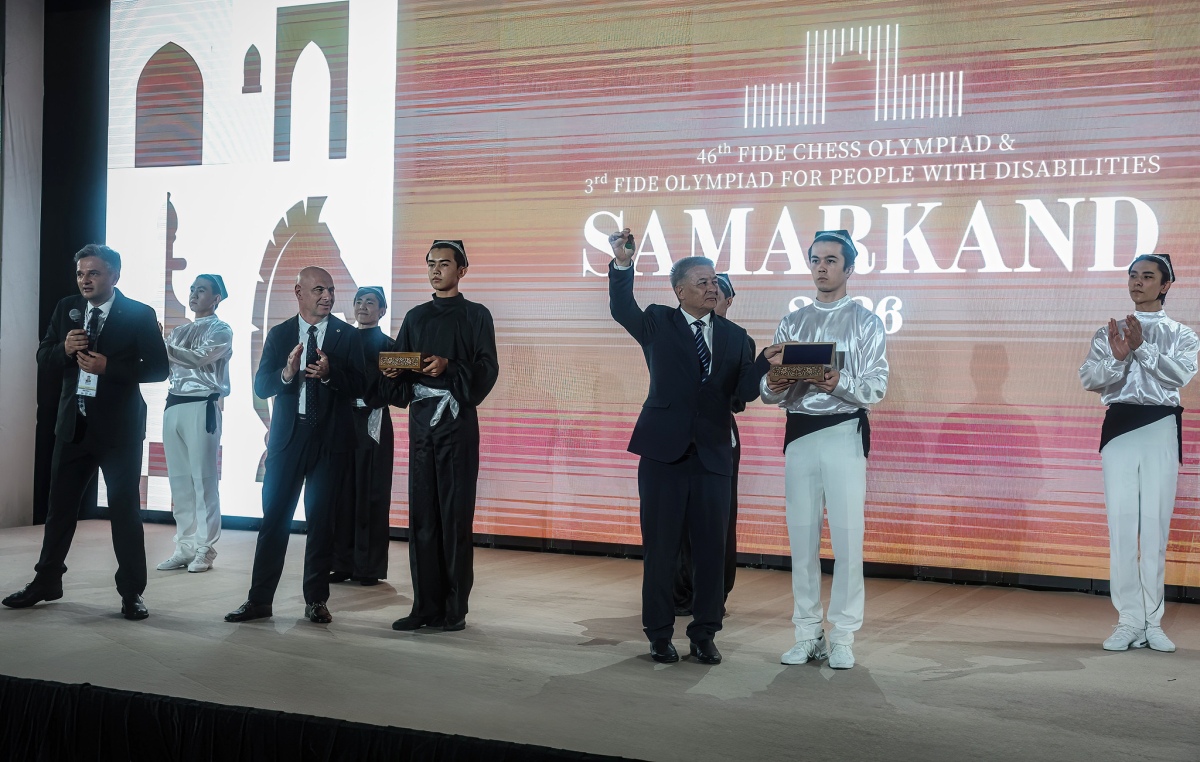
Chess has a unique ability to dissolve boundaries, bringing people together across countries, cultures and different life circumstances. That spirit was at the heart of the opening of the 3rd FIDE Chess Olympiad for People with Disabilities, which welcomed a record 41 teams to Samarkand.
The third edition marks an important milestone in the history of the competition. For the first time, the FIDE Chess Olympiad for People with Disabilities is being held alongside the main FIDE Chess Olympiad, bringing the two events together in the same host city and during the same period.
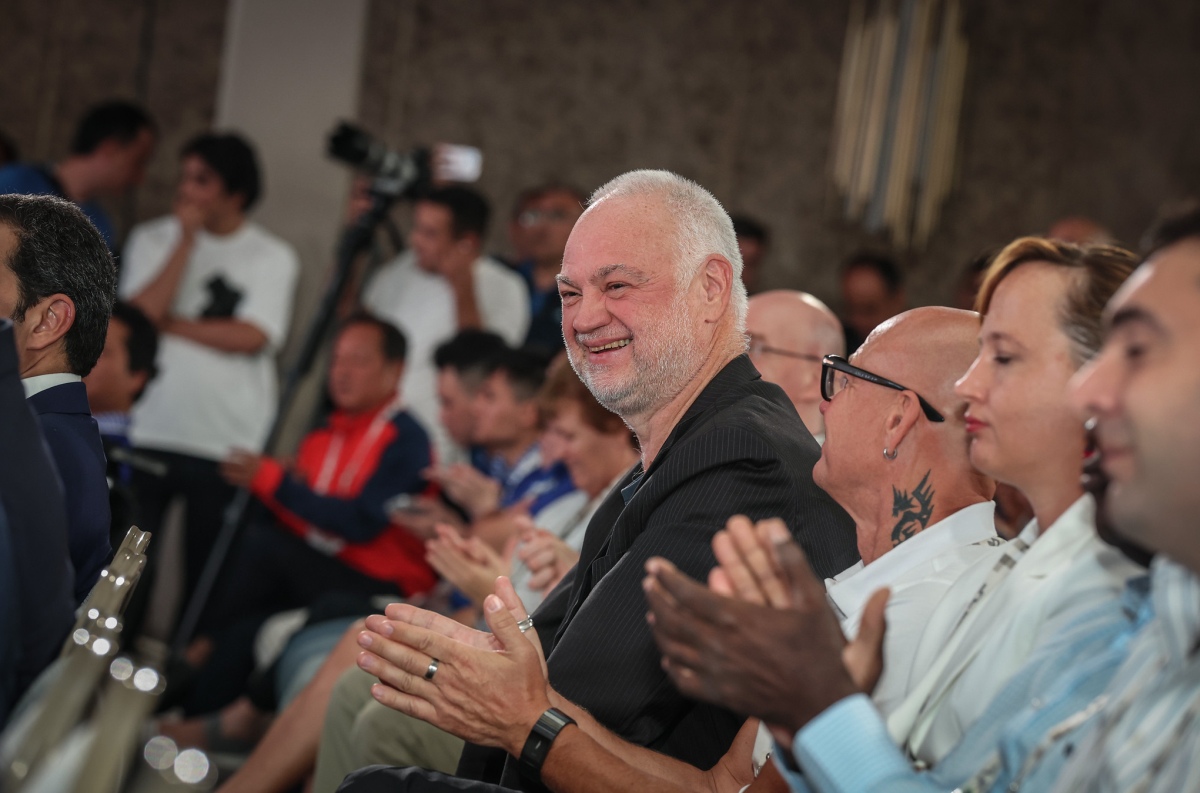
The Olympiad for People with Disabilities gets underway first, with Round 1 on September 11, while the 46th FIDE Chess Olympiad begins its competitive programme five days later, with Round 1 on September 16.
The opening ceremony took place at the Hilton Hotel in Samarkand, bringing together players, officials and guests ahead of seven days of competition.
“Power, passion and will”
Welcoming the participants, Adkham Ikramov, Minister of Sports of the Republic of Uzbekistan, emphasized Uzbekistan’s commitment to chess and thanked FIDE for the trust placed in the country to host such an important event.
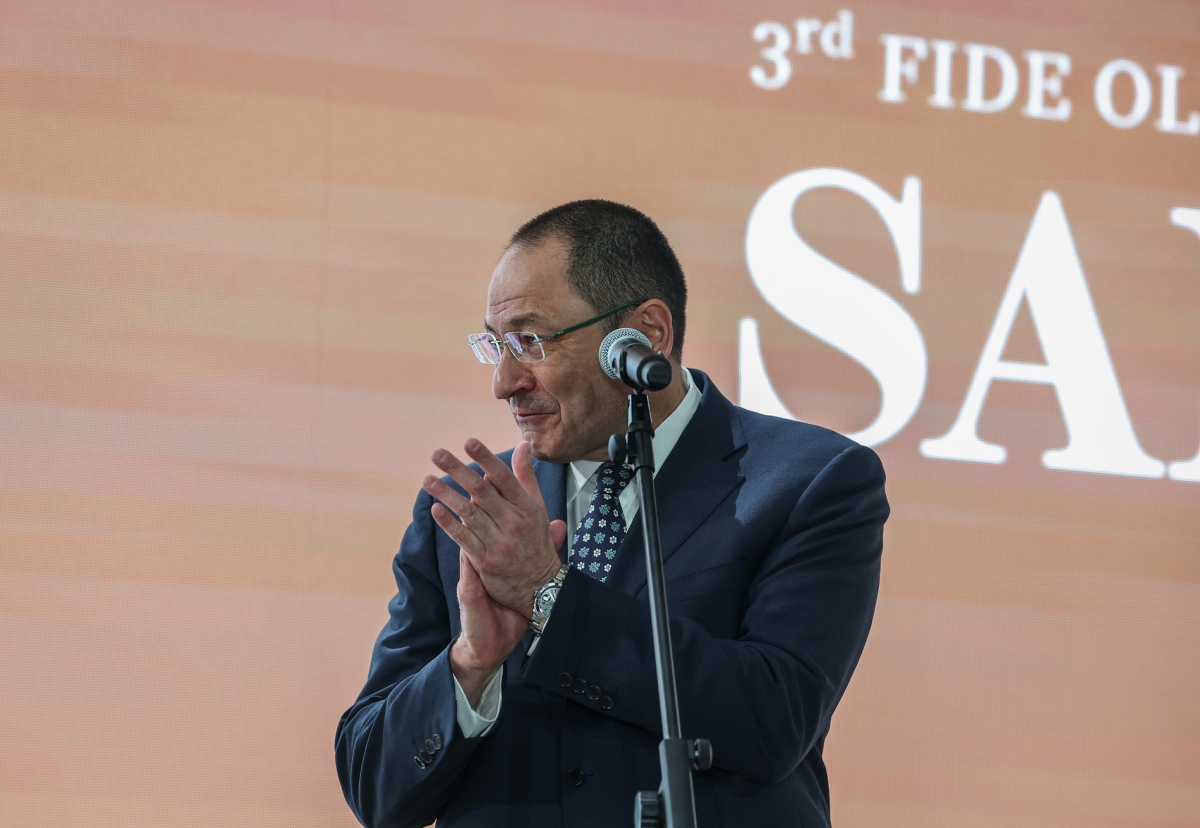
He highlighted the support of the President of the Republic of Uzbekistan, Shavkat Mirziyoyev, as well as the work of the government, the Chess Federation of Uzbekistan and the Samarkand authorities in preparing the competition.
Speaking both as Minister of Sports and as a medical doctor, Ikramov said that it was especially meaningful for him that this major gathering of the chess world begins with the Olympiad for People with Disabilities.
Addressing the players, he said: “For me, as a medical doctor and as a Minister of Sports, it is very important that we are starting with the Paralympic chess. You, representing 36 countries, 41 teams and around 200 chess players, are showing to the entire world the power, the passion, and will. I am very, very thankful to all of you that you trust in us and came here, and I wish all success to all of you.”

His words captured one of the central messages of the evening: while chess dissolves boundaries across the board, it is the players themselves who demonstrate the power and determination behind every move.
“A celebration of determination”
Dana Reizniece, Deputy Chair of the FIDE Management Board, placed the opening in a broader historical context, connecting Samarkand’s ancient chess heritage with the rapid development of chess in modern Uzbekistan.
She recalled chess pieces carved from ivory and discovered by archaeologists in the region, dating back more than a thousand years – a symbolic link between the game’s deep roots here and the chess events Samarkand is welcoming today.
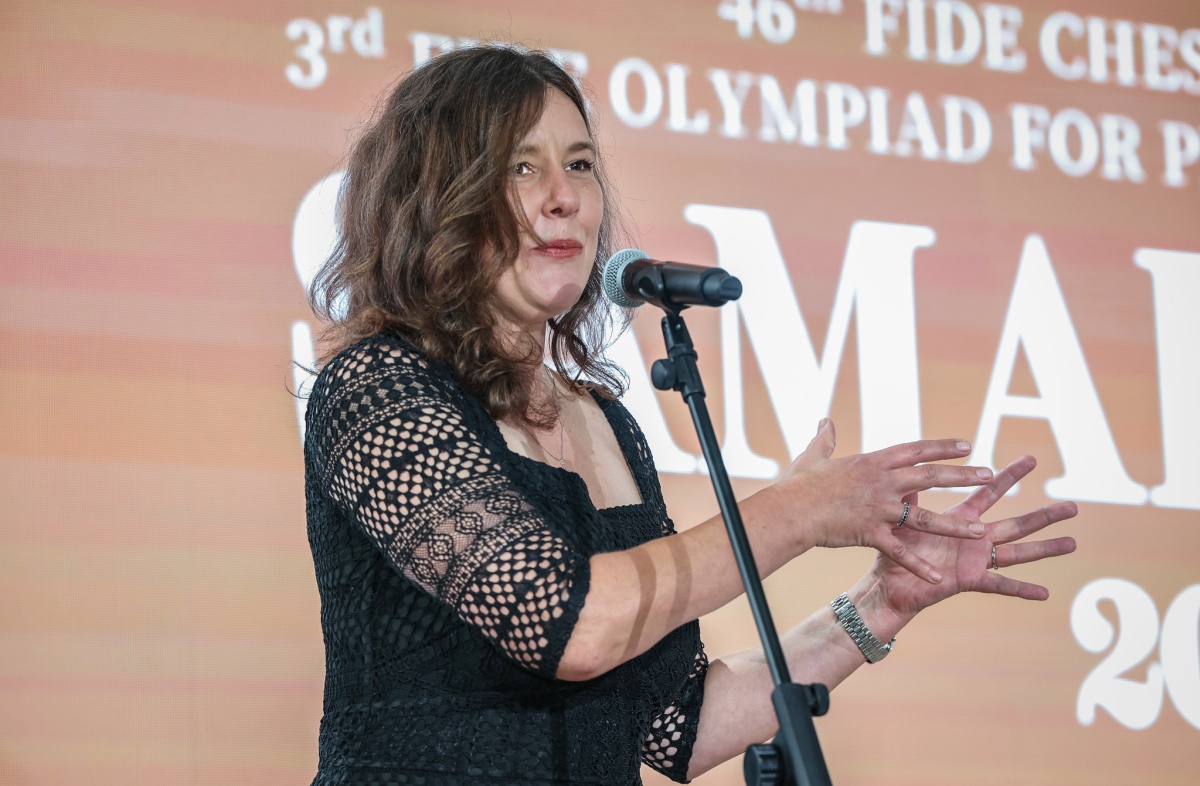
“More than 1,000 years ago, some people here were sitting and carved some chess pieces out of ivory, and seven of those were found by archaeologists. And this is, I guess, the seed that was embedded back there, taken by smart people, now nurtured by smart and capable governments, and creating the future of chess here in Samarkand and in Uzbekistan.”
Reizniece noted the particular significance of Uzbekistan opening its doors to the participants of the Olympiad for People with Disabilities, the main Chess Olympiad and the FIDE Congress during the same major gathering.
For her, however, the occasion represented something beyond chess itself:
“I would say even more: a celebration of determination. Sometimes people are mistaken when they think what determination is about. They think it’s about being strong all the time, perfect, and never making mistakes. For me, it’s something more. I think it’s the ability to make the next move, to get up and flourish at the very difficult and the most difficult times again and again and again.”
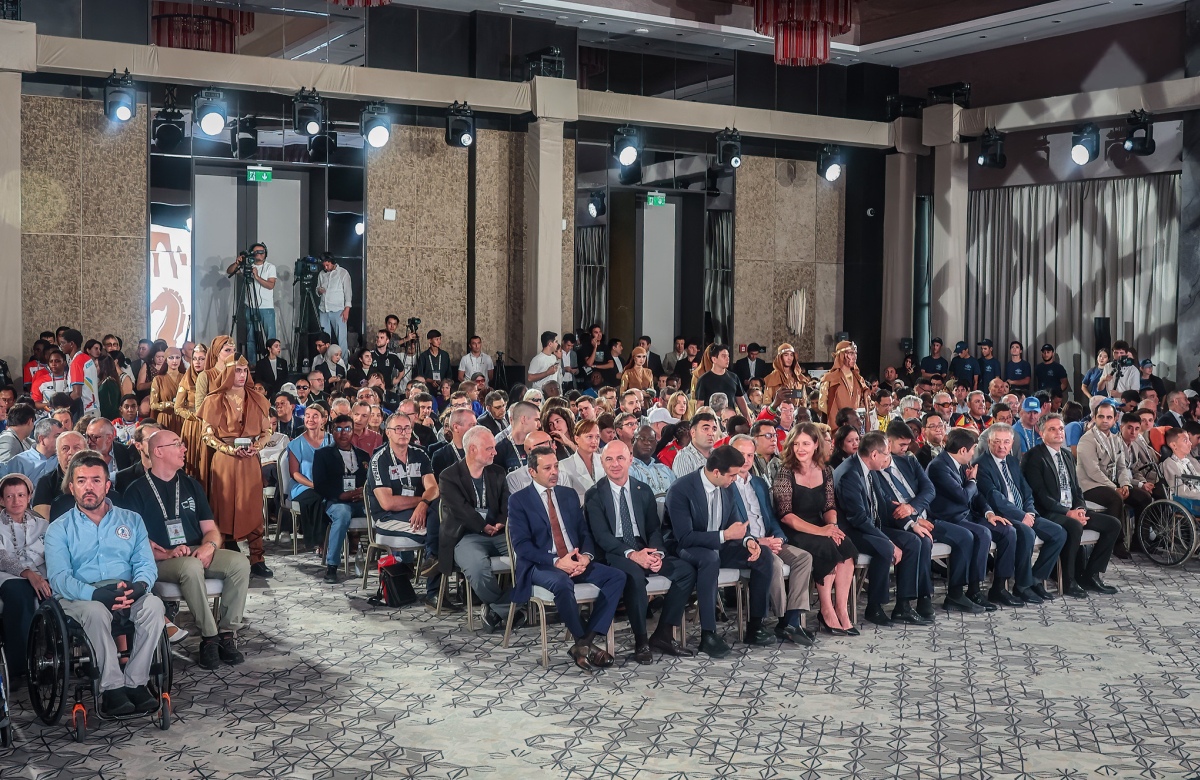
She drew a parallel between that determination and the nature of chess itself.
“Chess is a very honest game. It doesn’t suggest that it’s going to be easy. It gives you the position as it is, and you have to make the next move.”
She concluded with FIDE’s motto, Gens una sumus – “We are one family”, expressing the hope that this spirit would define the coming weeks in Samarkand.
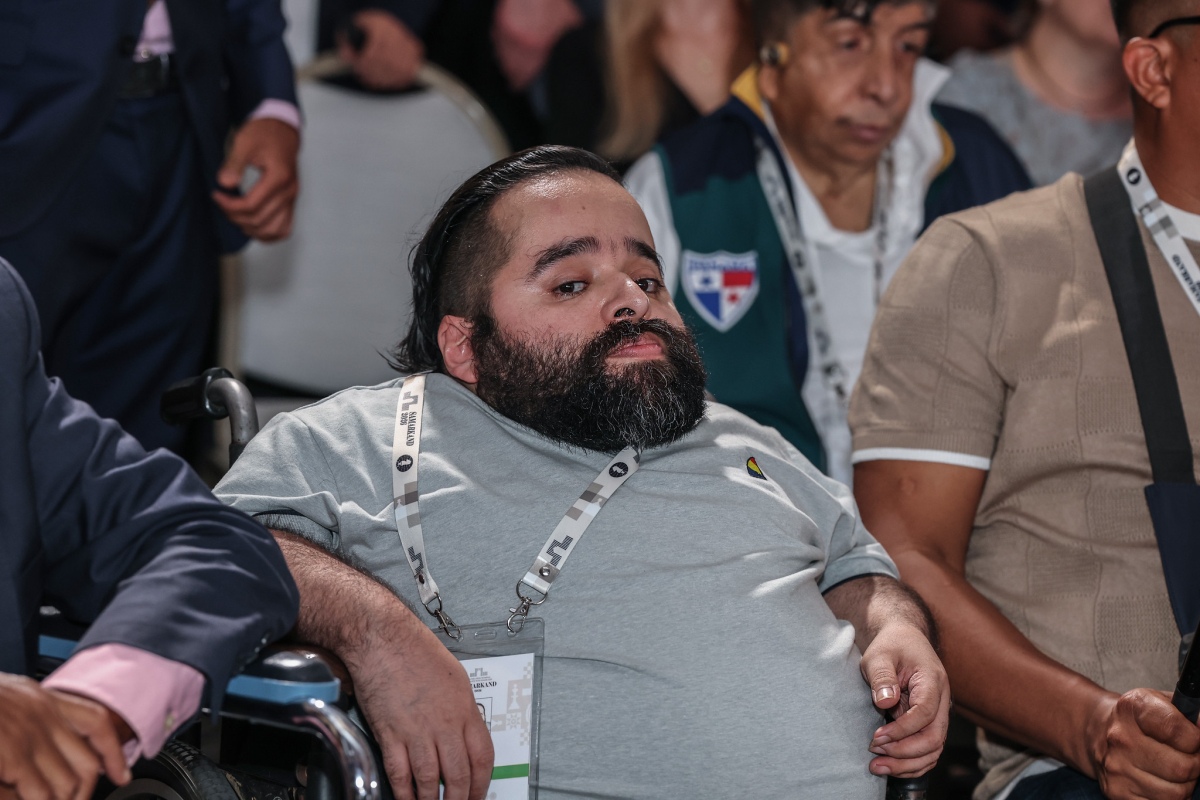
Poland draws White
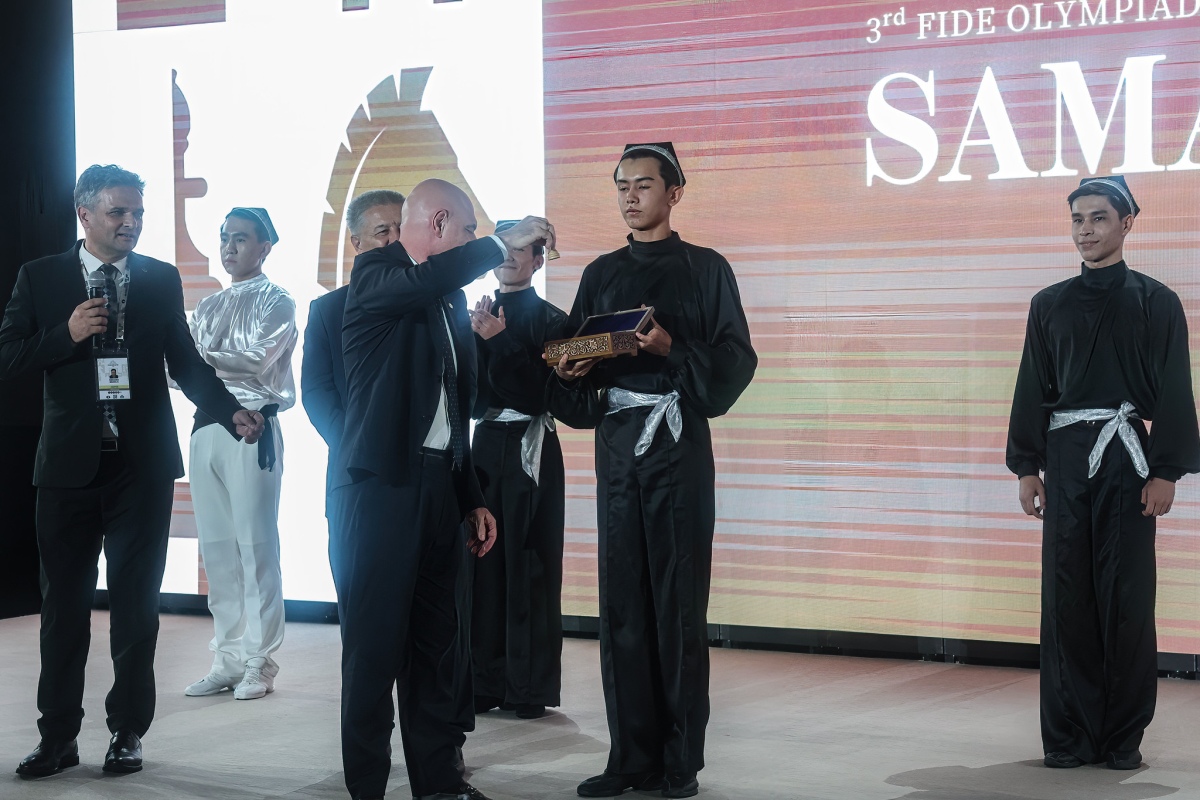
The sporting element of the evening came with the drawing of lots for the colors, conducted by Chief Arbiter Nebojsa Baralic.
Akaki Iashvili, FIDE Special Tasks Director and FIDE Technical Delegate of the Olympiad for People with Disabilities, and Komil Sindarov, Vice President of the Uzbekistan Chess Federation, took part in the draw for top-seeded Poland. The result gave Poland White on the first board in Round 1.
The first moves await
With the official opening complete and the colors decided, attention now turns to the chessboards.
The 3rd FIDE Chess Olympiad for People with Disabilities will be played as a seven-round Swiss team competition. The teams are composed of players with hearing impairments, physical disabilities and visual impairments, with at least one player of each gender required in the lineup for every round.
Round 1 begins on September 11 at 15:00 local time. The competition continues with one round per day, with the seventh and final round scheduled for 11:00 on September 17.
Five days after the first moves of the Olympiad for People with Disabilities, the 46th FIDE Chess Olympiad will begin on September 16, bringing the two Olympiads together in Samarkand.
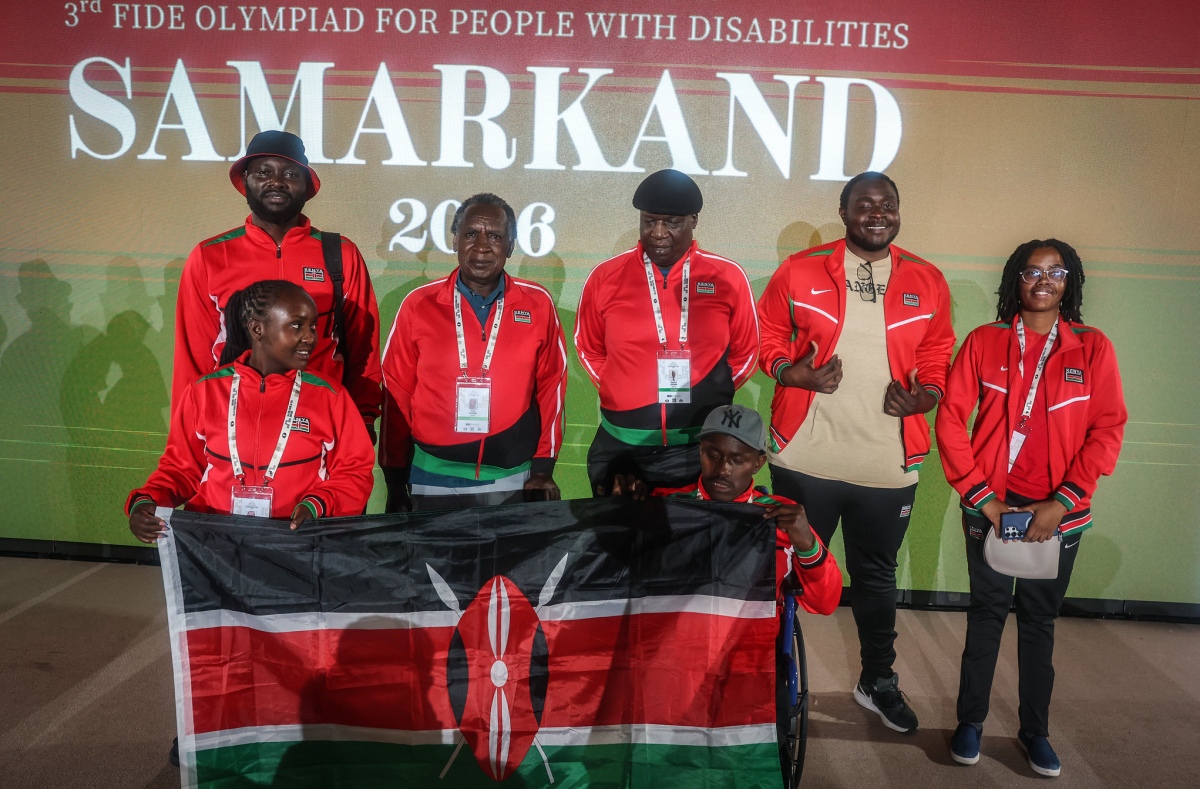
For the coming days, the chessboards will become a shared space where differences fade and the next move is what matters. Chess dissolves boundaries – and the players gathered in Samarkand are ready to show the power, passion and will to move beyond them.
You can find pairings of the Round 1 on Chess-results.
Follow the games live.
Written by Angelika Valkova
Photos: Mark Livshitz
FIDE Chess Olympiad for People with Disabilities official website: https://dis-olympiad2026.fide.com/