
Every Lesson Counts: The Present and Future of Chess in Education

Share this post:

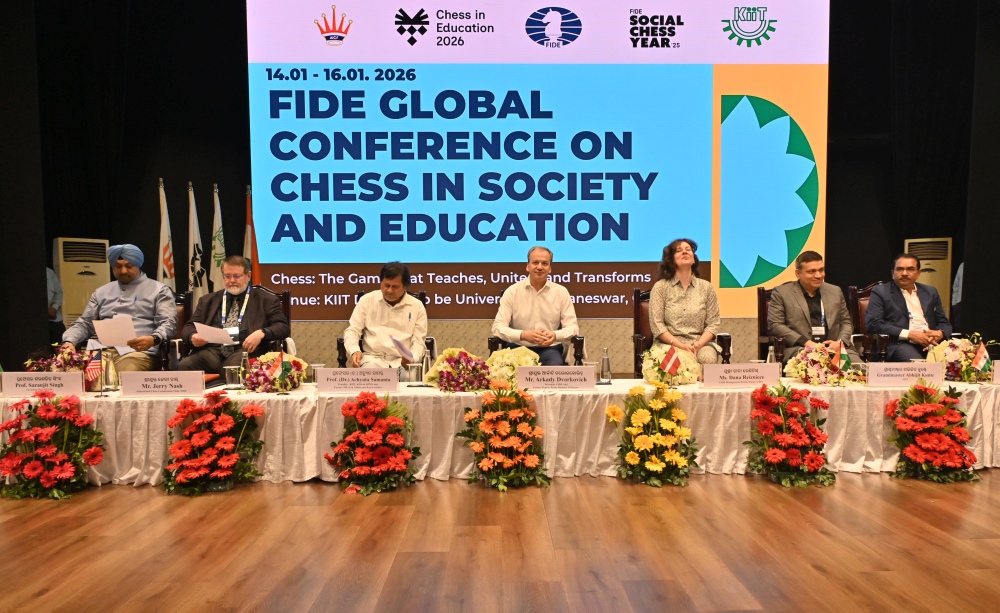
The second day of the FIDE Global Conference on Chess in Society and Education at KIIT University in Bhubaneswar was dedicated to chess in education, with a clear focus on how the game can be integrated into formal and non-formal learning systems. Building on the social impact discussions of the opening day, EDU Day brought together education leaders, researchers, federation officials, and practitioners to examine policy frameworks, research evidence, and real-world implementation models for Chess in Education (CIE).

Welcome and opening

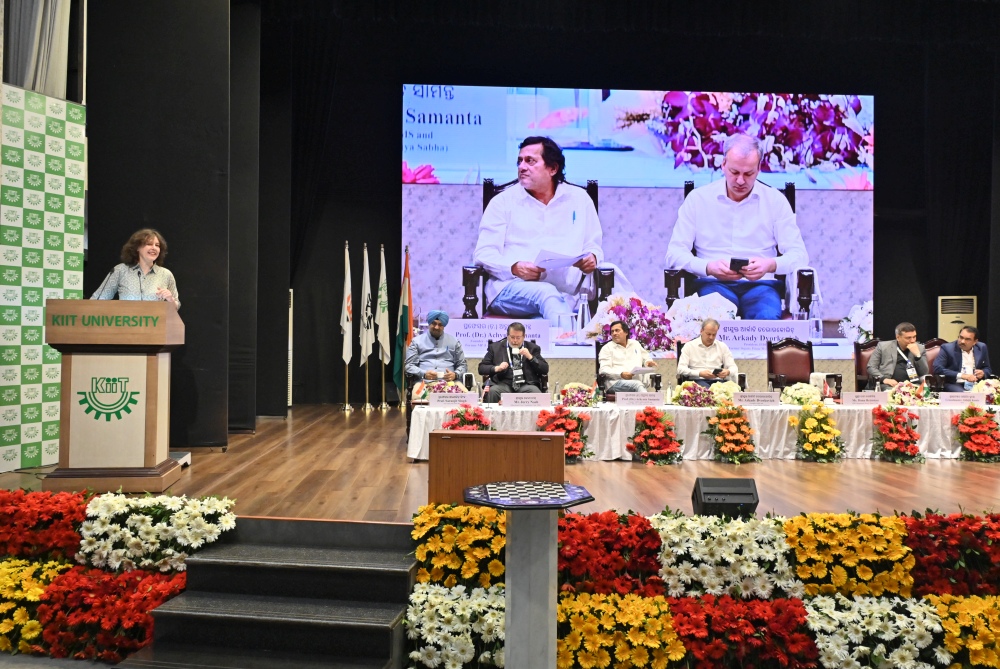
The day began with a formal welcome and ceremonial lamp lighting, marking the start of proceedings. Senior representatives from FIDE and KIIT were invited to the stage, followed by the presentation of flower bouquets to the guests.

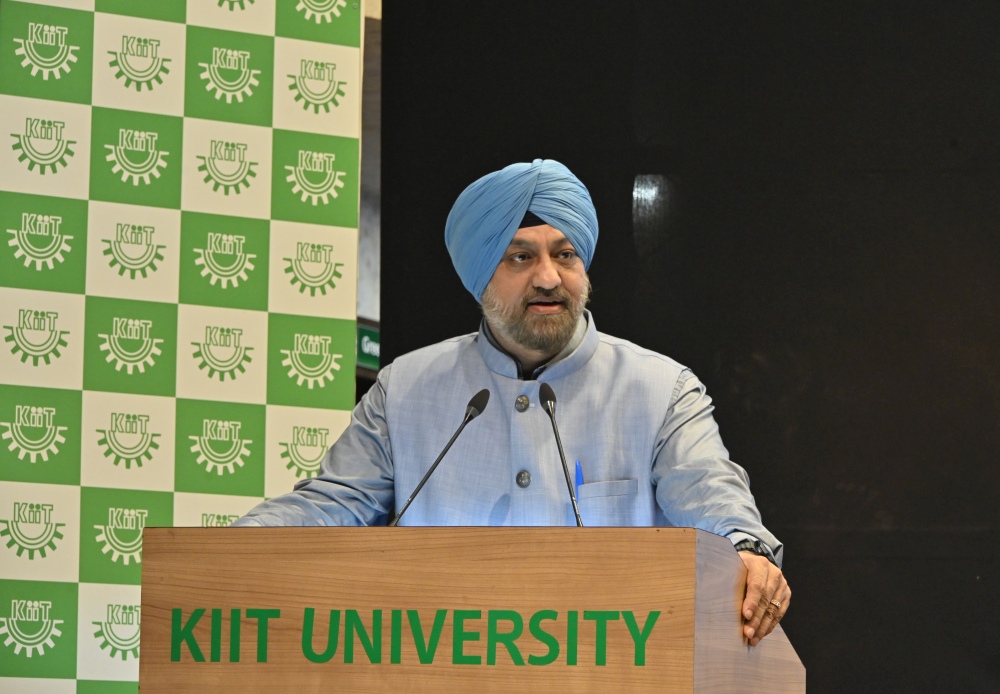
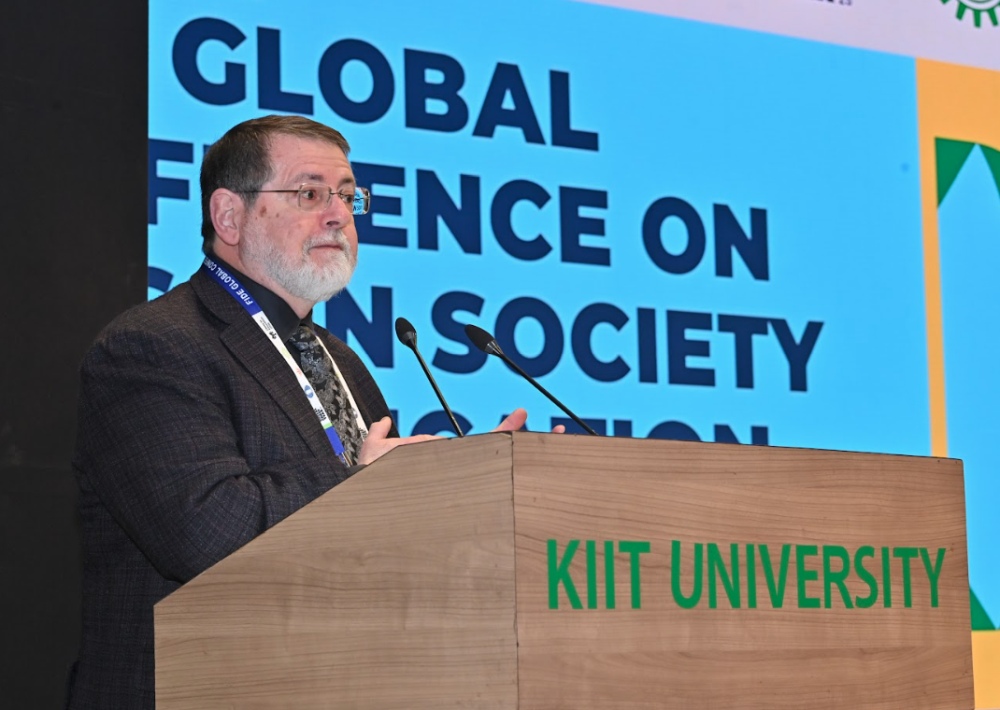
Dr Saranjit Singh, Vice-Chancellor of KIIT, delivered the opening address, welcoming participants and outlining KIIT’s commitment to education and chess as part of its institutional ecosystem. He was followed by Jerry Nash, Chair of the FIDE Chess in Education Commission, who introduced the educational focus of the day and framed chess as a tool for learning rather than an end in itself.

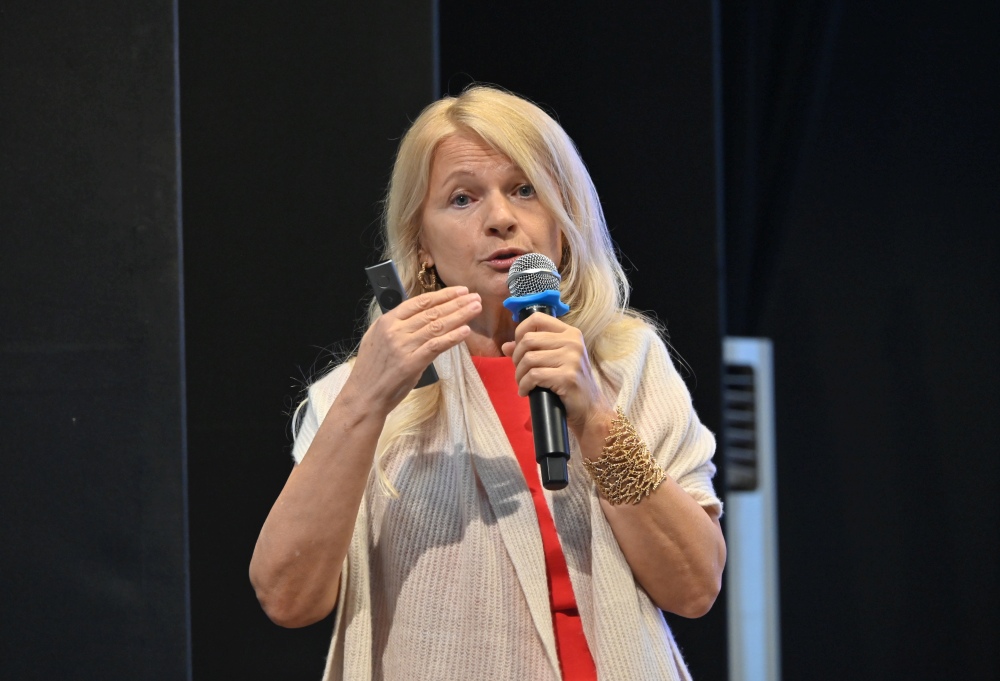
Dana Reizniece, Deputy Chair of the FIDE Management Board, linked the discussions to the broader objectives of the FIDE Year of Chess in Education 2026, stressing the need for quality, consistency, and alignment with education systems. She underlined that the purpose of chess in schools goes beyond performance, noting that “chess in education is not about creating champions. It is about creating better thinkers, better learners, and more confident young people who are prepared to make decisions and take responsibility.”

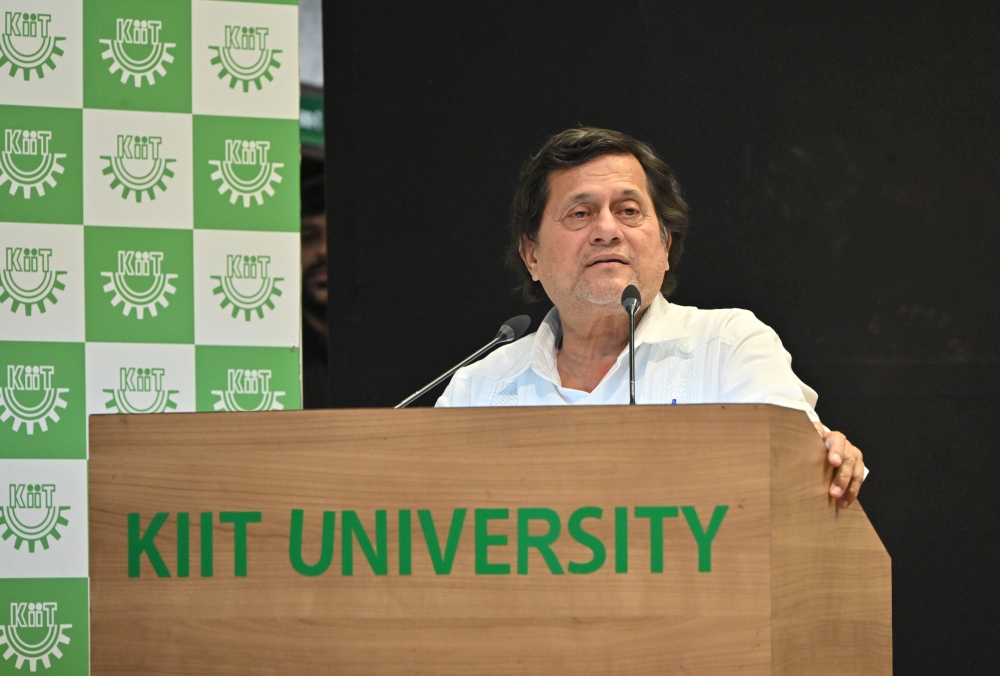
Dr Achyuta Samanta, Founder of KIIT, spoke about education as a transformative force and the role institutions can play in creating opportunities through innovative and inclusive approaches.

The opening concluded with remarks from Arkady Dvorkovich, FIDE President, followed by closing thanks from Dr Jnyana Ranjan Mohanty, who acknowledged the speakers, organisers, and partners involved in the conference.

Geopolitics of a changing world: balancing cooperation and competition in the 21st century

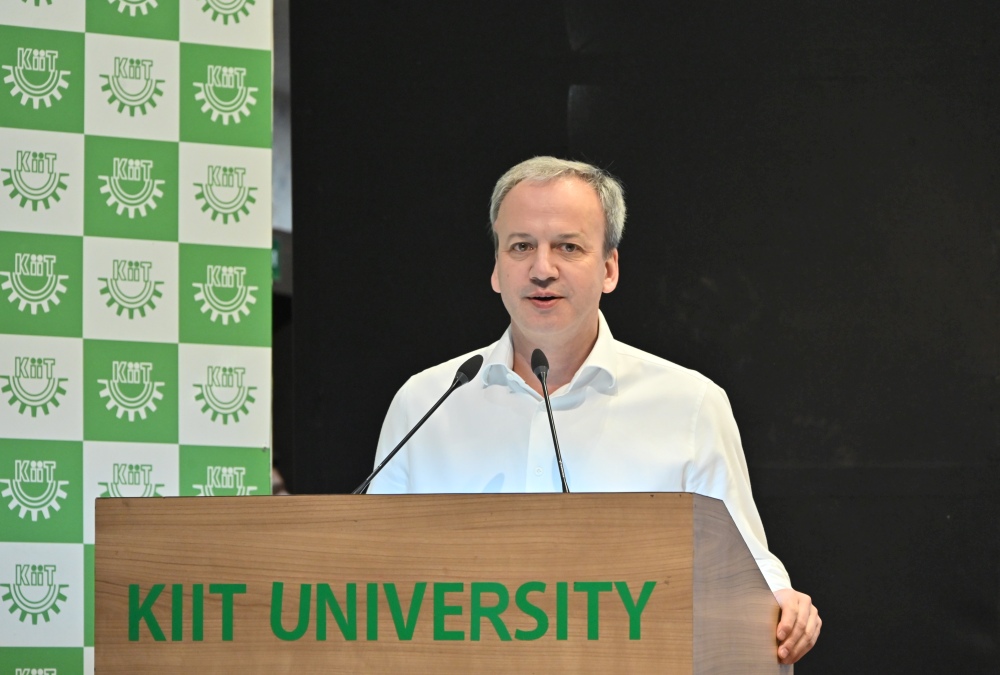
Arkady Dvorkovich opened the programme with a keynote titled Geopolitics of a Changing World: Balancing Cooperation and Competition in the 21st Century. Drawing on his background in economic policy and academia, he placed chess and education within a broader global context, describing a world marked by uncertainty, competition, and shifting power dynamics.

Using chess as an illustrative lens, he explained that patterns within the chess world often mirror wider economic and social realities. “I start my lectures normally with one picture – a picture about chess and the current ratings of the top players,” he said, noting that the distribution of elite players reflects deeper structural factors. “What it shows is which countries dominate the chess world. And it is not by coincidence. There is some correlation between economic power and chess power.”

Dvorkovich went on to describe how different chess cultures emerge from distinct education systems, opportunities, and approaches to talent development, arguing that education remains one of the few forces capable of fostering cooperation alongside competition in a divided world.

Year of Chess in Education 2026

The strategic framework for EDU Day was set through presentations by Dana Reizniece and Jerry Nash. Reizniece outlined the objectives of the FIDE Year of Chess in Education 2026, focusing on strengthening cooperation with education authorities, supporting teachers, and ensuring that chess programmes are delivered with consistent quality across regions. Particular emphasis was placed on evidence-based approaches that allow Chess in Education initiatives to be evaluated, refined, and scaled.

Jerry Nash followed with an overview of the FIDE EDU framework, explaining how chess can be embedded into learning environments as a structured educational tool. His presentation addressed governance, programme design, and the central role of teachers, highlighting the need for clear methodologies, training pathways, and accessible resources to support effective classroom delivery.

How chess builds academic and life skills at the Overseas Family School

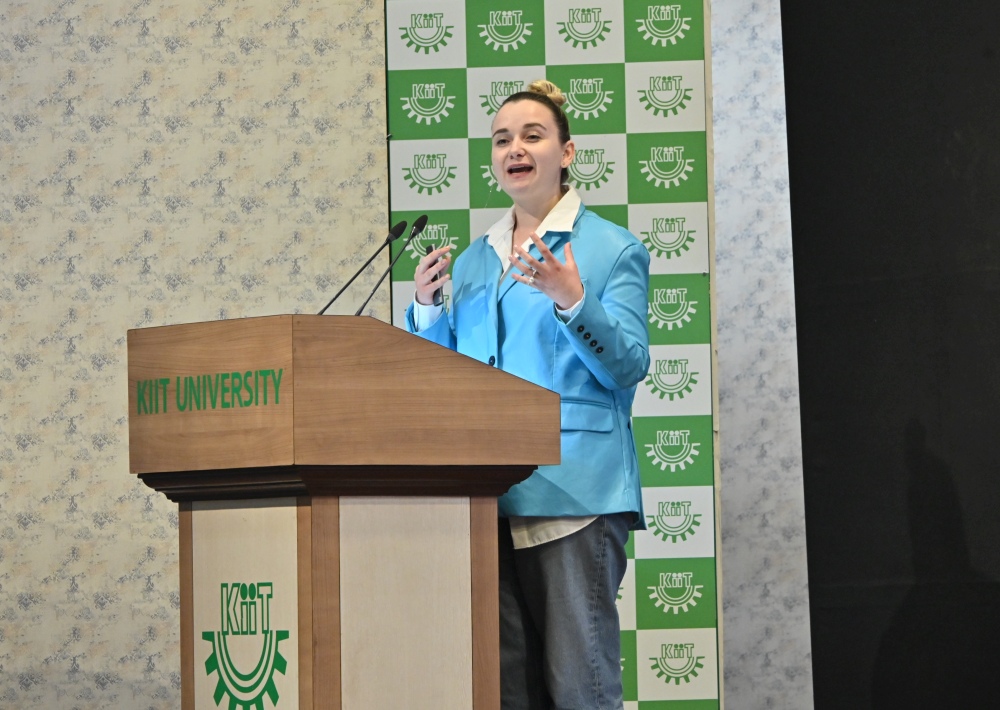
Practical school-based implementation was illustrated by Dijana Dengler, Head of Chess at the Overseas Family School in Singapore. Her presentation provided insight into how chess is integrated into the school’s curriculum and daily activities, supporting both academic development and life skills such as problem-solving, focus, and resilience. The case study demonstrated how chess can be embedded within an international school environment as part of a holistic educational approach.

Creating Chess in Education resources for teachers

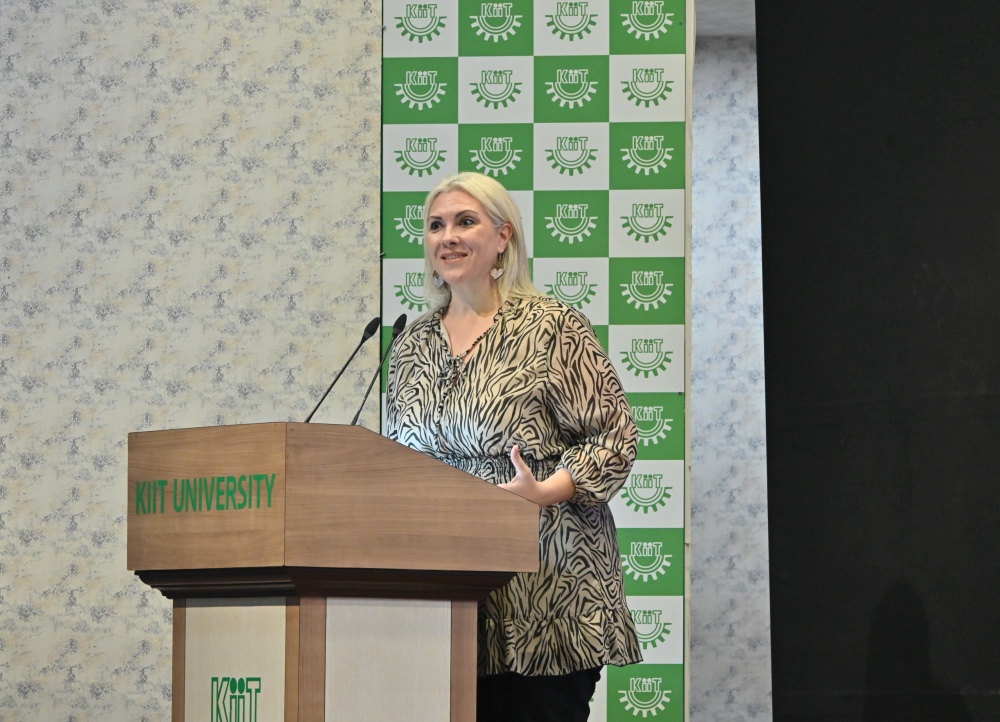
Anzel Laubscher focused on the practical foundations of Chess in Education, presenting the development of teacher-centred resources designed to support classroom delivery. She addressed curriculum design, lesson structure, and methodology, emphasising that effective chess education begins with understanding learners’ needs.

“In chess education, we need to meet our learners where they’re at,” she explained. “If your learner cannot read and write yet, you need to meet them there. If they have special needs, you need to meet them there. The classroom must be inclusive.”

Laubscher highlighted the importance of teacher training and follow-up support, describing how initial training alone is not sufficient. “Teachers walk into the session and they don’t know how many squares there are on a chessboard. Four days later, they walk out knowing all the basic rules of chess, how the pieces move, including special moves. But then they realise they still need support to implement this in the classroom, and that’s why we designed the starter kit.”

World Schools Team Championship

The role of school competitions was explored by Nadzeya Krauchuk, Director of International Relations at the International School Chess Federation (ISCF), through a presentation on the World Schools Team Championship. She explained how structured school tournaments can motivate students, support teamwork, and create international connections, while remaining firmly rooted within an educational framework rather than elite competitive pathways.

Research: Measuring the impact of Chess in Education

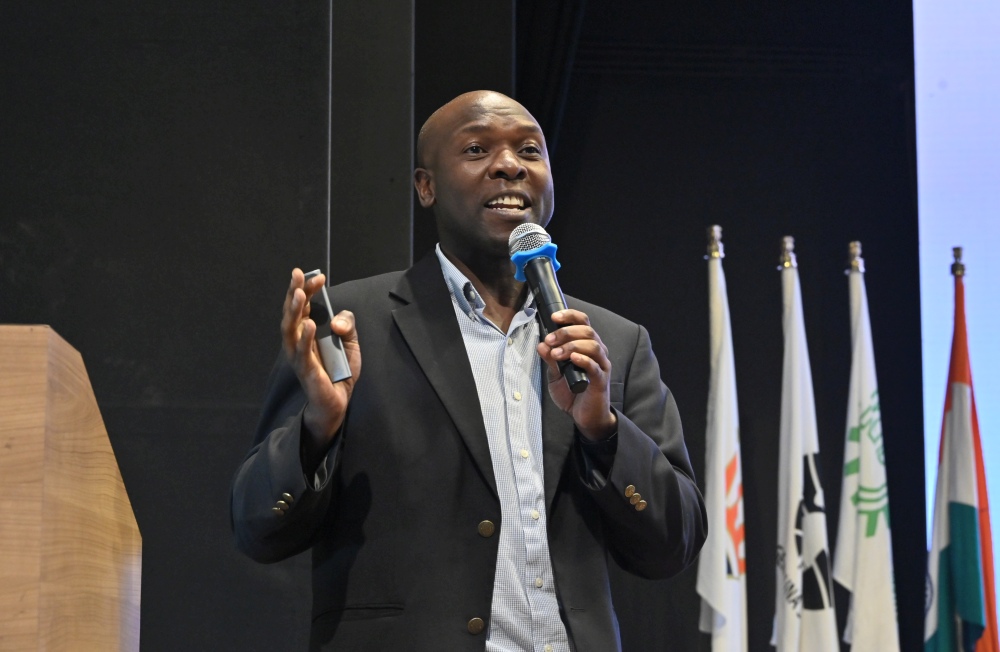
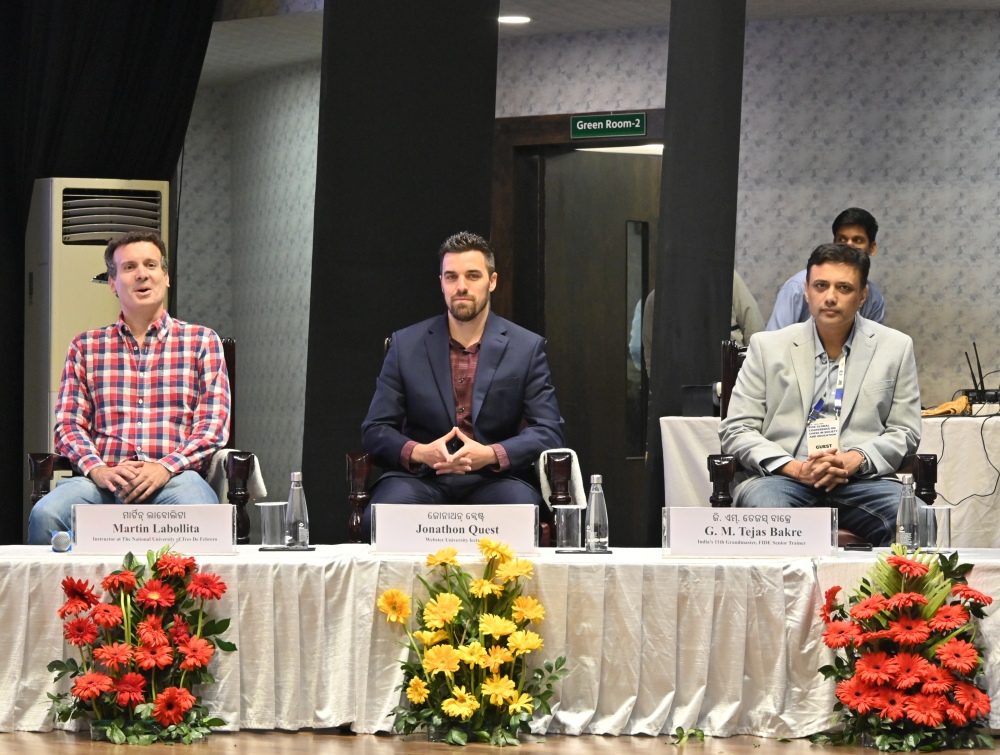
A dedicated research block examined how the impact of chess in education can be measured and communicated. Moderated by Jerry Nash, the session featured contributions from Dr George Chitiyo of TTU, Martin Labollita of the National University of Tres de Febrero (UNTREF), and Jonathon Quest of Webster University.

Reflecting on comparative research, Labollita explained how chess experience influences problem-solving approaches. “We did research comparing chess players with people that didn’t play chess and how they solve different tasks where they should have no clue,” he said. “We observed in those studies that the heuristics of the chess player were better at solving the problems than the others.”

Across the session, speakers highlighted the importance of rigorous methodology, data taken over time, and translating research findings into classroom practice and policy.

Chess in Education roadmap for India

The focus then shifted to India, with GM Tejas Bakre presenting a Chess in Education roadmap outlining pathways for scaling chess in schools across the country. His presentation addressed alignment with education systems, the role of federations, and the importance of structured teacher training to support national growth.

Shankar Lal Harsh contributed an educator’s perspective, focusing on practical implementation in schools. Anil Raizda, Vice President of the All India Chess Federation, highlighted initiatives promoting chess across schools in Uttar Pradesh, demonstrating how regional programmes can support broader national objectives.

Ajeetkumar Verma, Head of Operations at AICF, presented a national roadmap for Chess in Education from 2026 to 2030. The presentation outlined ambitious goals, including large-scale school engagement and the long-term positioning of India as a global leader in chess education.

Established Chess in Education programmes worldwide

Global implementation models were presented in a session focusing on established Chess in Education programmes from different regions. Akzhunis Artykbay, Coordinator of Educational Projects at the Kazakhstan Chess Federation, outlined structured national approaches to chess in schools. Pep Suarez, PhD in educational psychology, discussed pedagogical considerations and teacher support from an educational psychology perspective.

Mauricio Arias Santana, President of the EDU Commission for the Confederation of Chess for the Americas (CCA), presented regional coordination efforts across the Americas, while Ebenezer Joseph, Senior Lead Instructor in Chess in Education, shared insights from implementation in diverse educational contexts. Together, the presentations highlighted common themes of sustainability, teacher training, and institutional cooperation.
Challenges of incorporating chess into the national curriculum

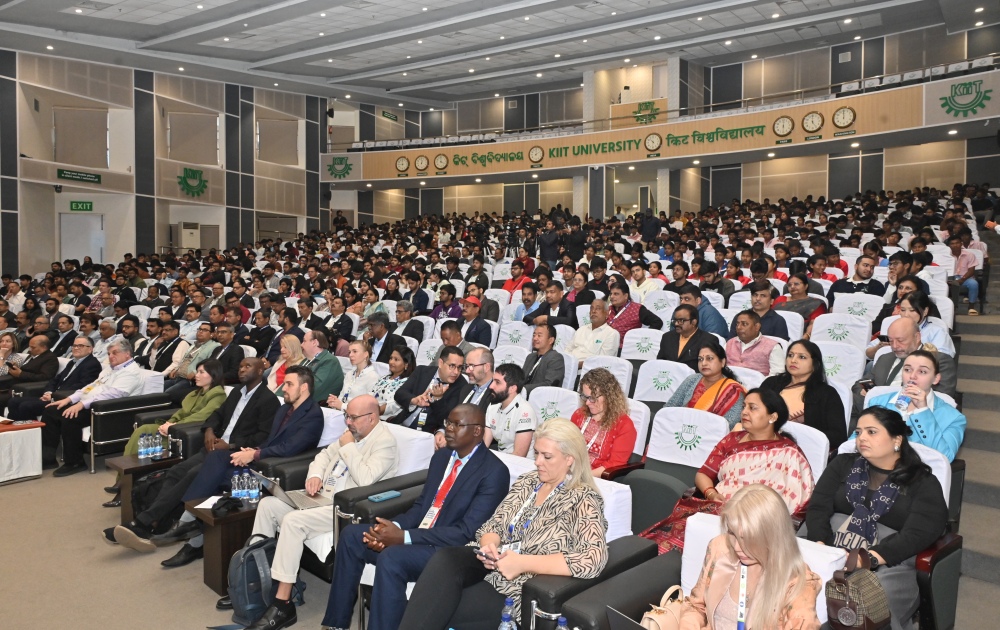
A dedicated session addressed the challenges of integrating chess into national curricula. Contributions from Rita Atkins, Secretary of the FIDE Chess in Education Commission, Mauricio Arias Santana, and GM Abhijit Kunte examined policy barriers, curriculum constraints, and the need for institutional alignment. The discussion highlighted how collaboration between education authorities, federations, and schools is essential for long-term success.

Teacher training at university level was explored through contributions from Akzhunis Artykbay and Jonathon Quest, who discussed structured academic pathways and certification models for educators.

Digital technology to support Chess in Education

The final thematic block of the conference focused on the role of digital technology in supporting Chess in Education programmes. The session highlighted how digital tools can enhance classroom delivery, teacher training, and access to chess-based learning resources across different contexts.

Dilda Nauryzbayeva presented OpenBoard, outlining how digital boards can support interactive teaching and learning, particularly in school environments where access to traditional resources may be limited. Rita Atkins introduced LogiqBoard, demonstrating how structured digital tools can support logical thinking, lesson planning, and inclusive classroom engagement. Pep Suarez presented ChessForEDU, focusing on how digital platforms can support teacher development, curriculum delivery, and the scalable implementation of chess education programmes.

Together, the presentations illustrated how technology can complement traditional teaching methods, helping educators deliver chess-based learning in flexible, accessible, and structured ways.

FIDE Social Chess Storytelling Challenge and awards

The conference concluded with reflections from André Vögtlin, Chair of the FIDE Social Chess Commission, who announced the results of the FIDE Social Chess Storytelling Challenge. The initiative received a total of 56 entries, including 43 grassroots submissions and 13 professional productions, showcasing stories from across the world that highlight chess as a tool for social impact, inclusion, and education.

The Best Short Film (Professional) award went to Alberto, on a Blue Day, directed by Cristóbal José Blanco Acevedo, for its sensitive and reflective portrayal of chess as a tool for emotional expression. The Best Grassroots Film (Amateur) award was presented to The Childhood Board by Alfredo Castañeda-Herrera, highlighting the role of chess in childhood development and community connection. The Social Commission Choice Award was awarded to Checkmate Autism and the Power of Chess by Evguenia Charomova, recognised for its powerful depiction of how chess can support inclusion and empowerment for individuals on the autism spectrum.

Two awards were then presented in recognition of outstanding contributions to social chess initiatives.

The Outstanding FIDE Social Award was presented to Viraj Upadhyay and Vihanan Upadhyay for their initiative Pawns to Kids, which focuses on making chess accessible to children regardless of background. Created by the teenage brothers Vihanan (14) and Viraj (12), the initiative has introduced chess to hundreds of children in remote villages, orphanages, and underserved communities.

The FIDE Social Chess Award was presented to Bernard Wanjala, Advisor to the FIDE Social Chess Commission and a leading figure in Kenyan and African chess. Recognised for his long-standing contribution as a player, coach, and administrator, Wanjala has played a pivotal role in introducing chess to the Kakuma refugee camp, using the game as a tool for education, inclusion, and opportunity within displaced communities.

The closing segment reinforced the broader message of the conference: that chess, when combined with education, technology, and community-driven initiatives, can serve as a powerful platform for positive and sustainable social impact.

MORE ON THE TOPIC