

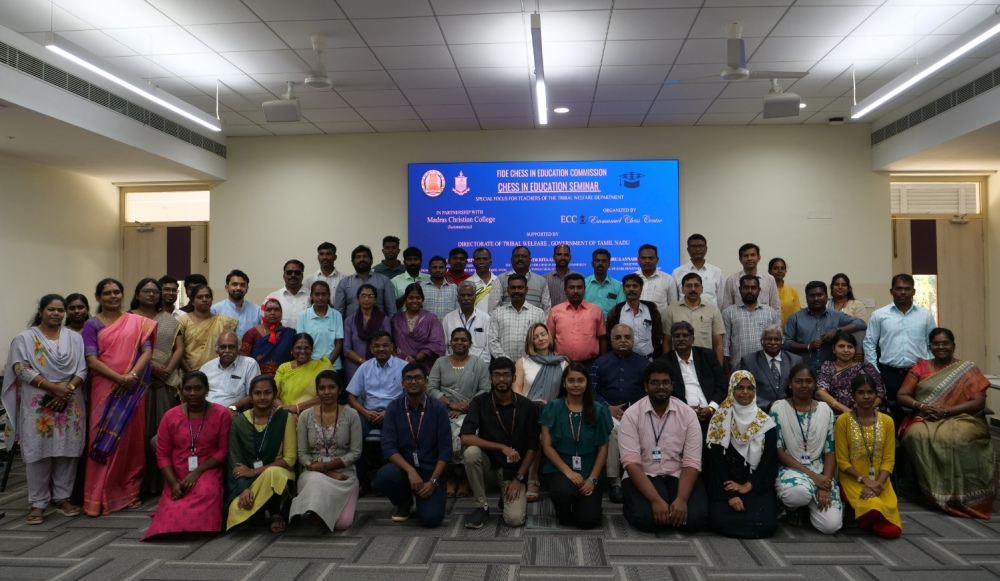
Chennai, January 22–24, 2026 – A quiet revolution in classroom learning unfolded at Madras Christian College (Autonomous) as the FIDE Chess in Education Commission (CIE), in partnership with the Emmanuel Chess Centre, inaugurated the Chess in Education – Preparation of Teachers’ (PoT) Course. Held at the Blue Whale Hall, MMIP, MCC, the three-day intensive programme focused on equipping teachers – especially from the Tribal Welfare Department – with the skills to bring chess into classrooms, reaching nearly 27,000 tribal children across Tamil Nadu.
The course extended far beyond chess fundamentals. Over three immersive days, WIM Rita Atkins and Dr. Joseph Ebenezer guided participants in using chess as a structured pedagogical tool to strengthen academic skills, cultivate critical thinking, and foster life skills. Through interactive sessions, live demonstrations, and hands-on exercises, teachers explored how chess enhances problem-solving, decision-making, and mental agility – making learning both engaging and meaningful.
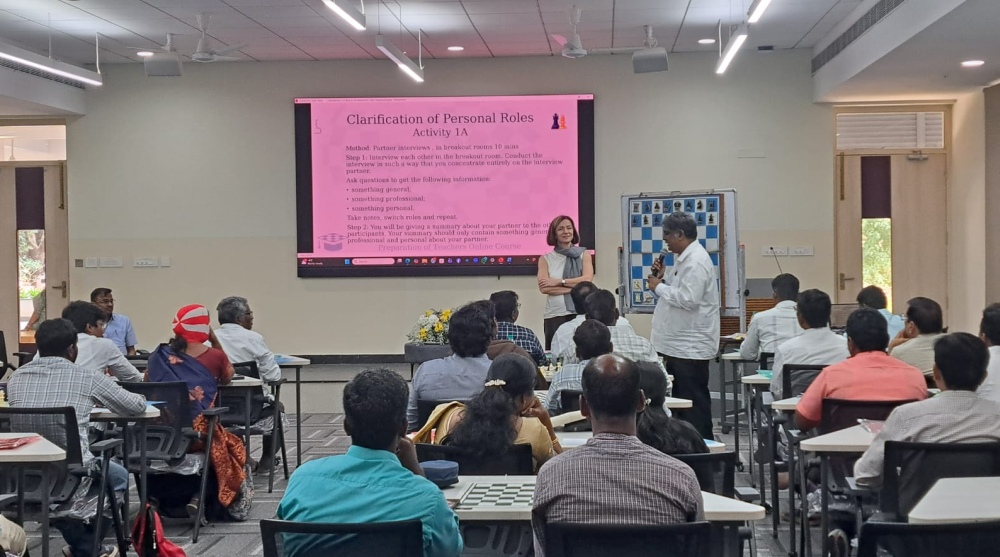
Dr. P. Wilson, Principal of MCC, welcomed the gathering with warmth, expressing his delight at seeing chess embedded into educational institutions and underscoring the transformative potential of innovative learning approaches. WIM Rita Atkins, EDU Secretary of FIDE CIE, also presented the Tamil and English editions of the FIDE Chess in Education Course Book, localizing a globally accredited curriculum for Tamil Nadu schools.
The programme received strong support from Tmt. G. Lakshmi Priya, IAS, Secretary to Government, Adi Dravidar and Tribal Welfare Department, who spoke passionately about how chess can empower children from marginalized communities, enhance equity, and improve learning outcomes. Thiru S. Annadurai, C.L.S., Director of the Tribal Welfare Department, highlighted the Department’s pride in partnering with FIDE CIE and Emmanuel Chess Centre to take chess education to the grassroots, ensuring that children in remote tribal regions have access to world-class, future-ready learning opportunities.
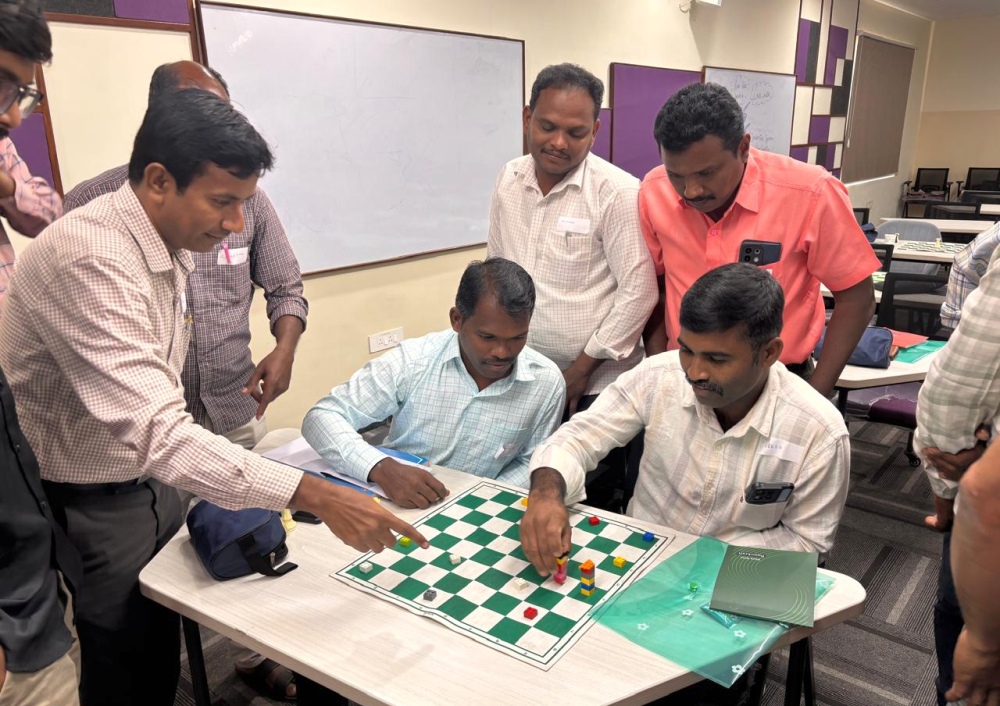
The initiative received strong governmental backing. Ms. G. Lakshmi Priya, IAS, Secretary to the Government, Adi Dravidar and Tribal Welfare Department, spoke passionately about how chess can empower children from marginalized communities, enhance equity, and improve learning outcomes. Thiru S. Annadurai, C.L.S., Director of the Tribal Welfare Department, expressed pride in partnering with FIDE CIE and the Emmanuel Chess Centre to bring world-class, future-oriented learning opportunities to remote tribal regions.
At the valedictory session on January 24, Dr. Veena Eswaradas highlighted chess’s cognitive benefits, including enhanced analytical reasoning and mental flexibility. Certificates were awarded to 54 participants who successfully completed the PoT Course. Dr. Joseph Ebenezer, Senior Lead Instructor for FIDE CIE, FIDE Trainer, and Candidate Master, emphasized the programme’s global standards and pedagogical rigor.
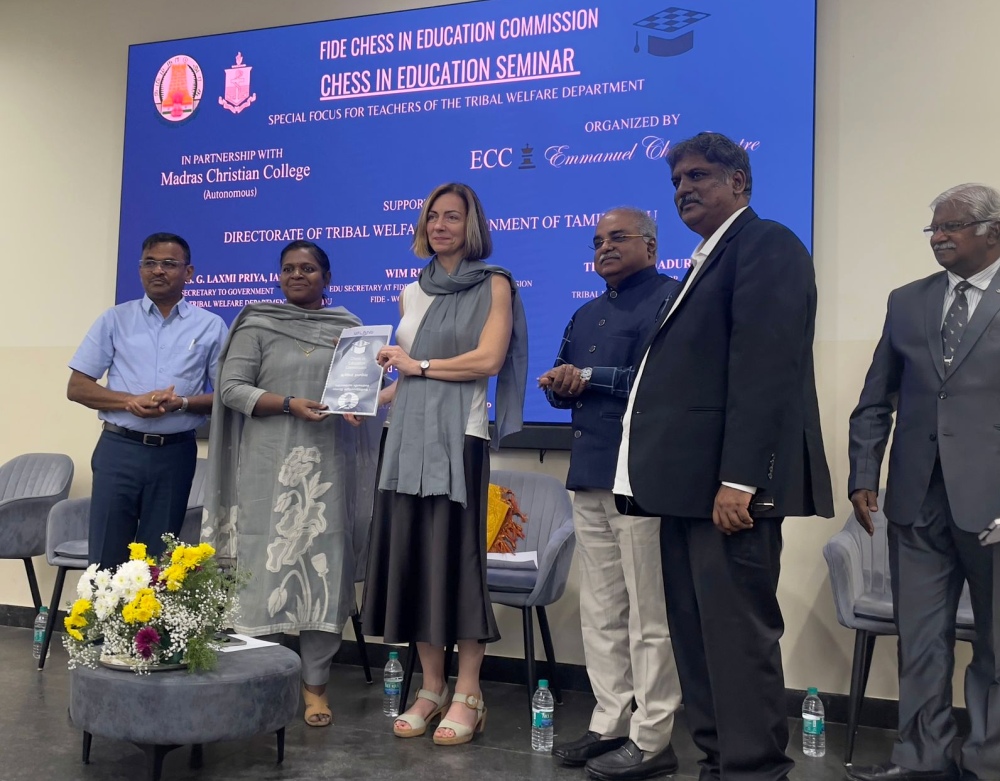
Of the graduates, 34 earned the FIDE School Instructor (SI) title, qualifying them to implement chess-based learning in schools. SI title holders included:
- Government Tribal Residential Schools / EMRS: C. Gajalakshmi; M. Thangadurai; Sivasankari; Kabildev K; Suresh D; S. Pugazhenthi; R. Chandra Somu; M. Suresh; E. Sathish Kumar; R. Nithiyanandham; Gobi S; Rajakumar D; Duraiswami P; Chandru D; Deenadhayalan V; P. Sivakumar; Madhan Kumar L; Govindhammal R; M. Gowri Rani; Gnanasakthi S; Samikkannu P; Jeevitha G; Settu T; A. Anbuchelvan.
- Madras Christian College (Autonomous) alumni: Genita Gladys A; Joshua Anand Samuel; Jim Isaac; Gracelin Victoriya K; Dr. Ishvar Mohan; Dr. N. Prabhu.
- Women’s Christian College alumni: Pon Margret A; Dr. M. Getzi.
- Meston College of Education alumni: Aparna A; Jecinth Evlyn J.
- Other participants: Dr. Emma Kalpana; Bharaneeshwaran V.
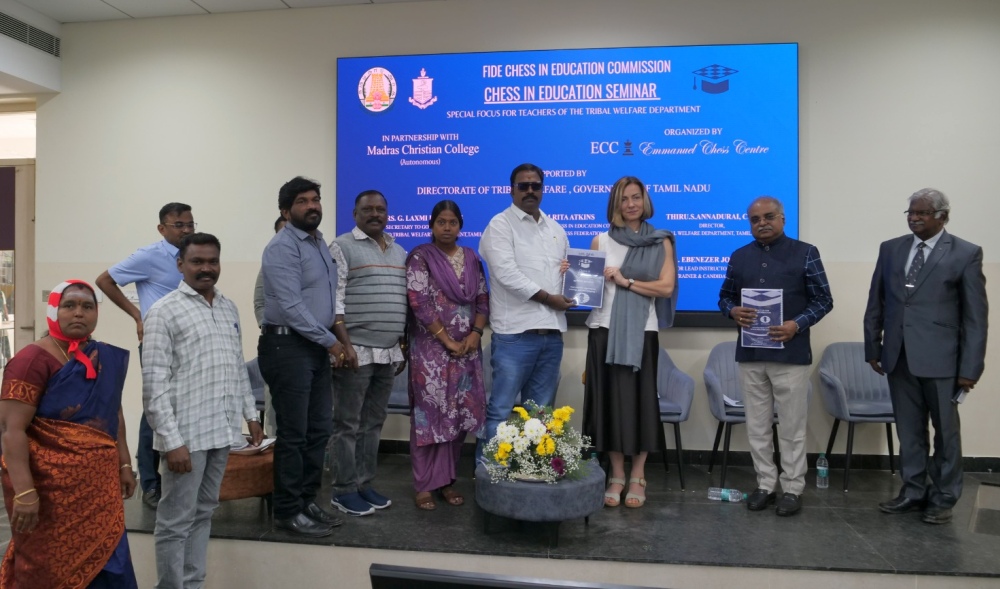
Chess sets and the Winning Moves DVD were provided to schools to support classroom implementation. This initiative marks a major step in mainstreaming Chess in Education across Tamil Nadu, empowering teachers and students with innovative, future-ready learning tools while fostering cognitive development, critical thinking, and 21st-century competencies at the grassroots level.