

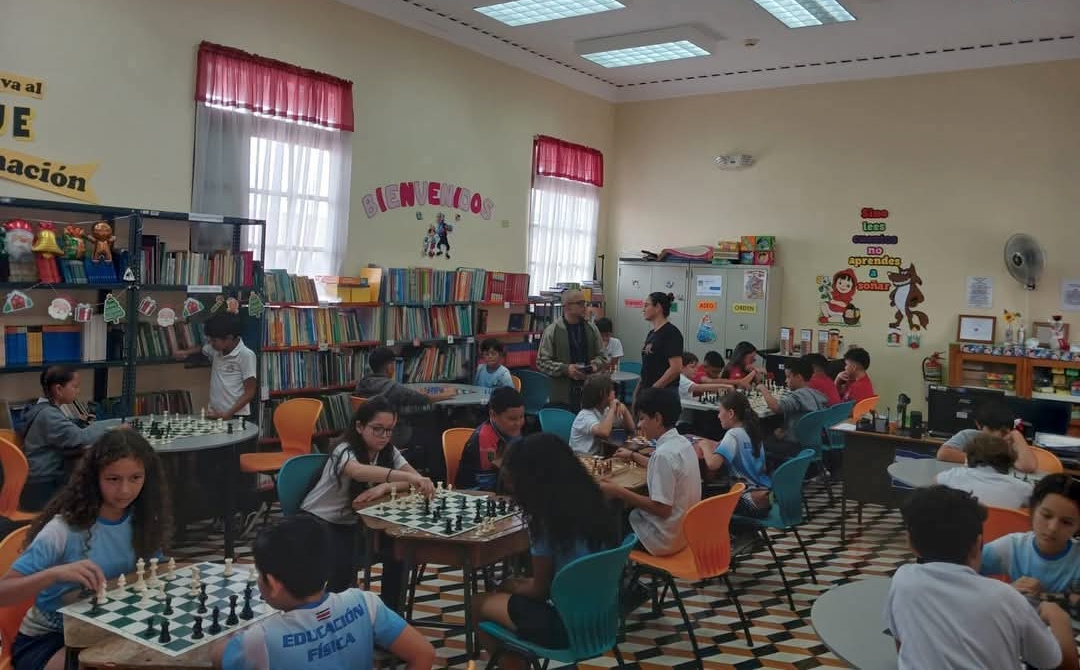
The Summit on Chess and Education, held in Costa Rica on 20 and 21 March, brought together experts from across Latin America to discuss how chess can support learning. In an article for the summit, FIDE President Arkady Dvorkovich wrote about Latin America’s growing role in shaping chess education policy worldwide.
Since I became President of FIDE in 2018, one of the key goals has been to develop chess as a tool for engagement, inclusion and education. This idea has found support not only in the chess world but also among teachers, psychologists, clinicians, scientists, social workers, humanitarian organisations, governments and many others. As part of this work, FIDE named 2025 the Year of Social Chess. Building on the efforts led by FIDE Deputy Chair Dana Reizniece, we declared 2026 the Year of Chess in Education.
For us, social chess and chess in education are not slogans. Together with international organisations and state institutions, we have held events, seminars, conferences and competitions across the world, promoting the concept and inviting all interested parties to provide ideas, questions and solutions. In each place, we showed how chess can become part of daily life, regardless of background or circumstance.
We already know that full integration is possible. In Armenia, chess has been a mandatory subject in primary schools since 2011. The program has been successful, which is also reflected in the number of highly rated players from the country.
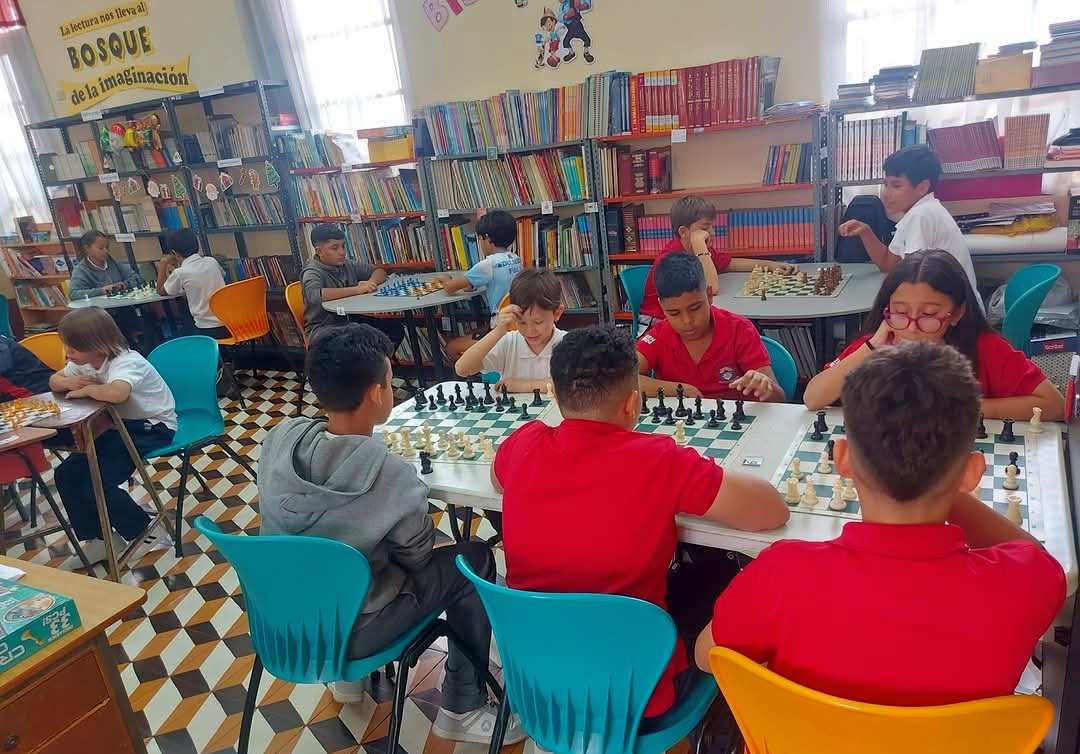
Latin America is at the heart of this project. Several essays on the region, published by the FIDE Chess in Education Commission in 2023, describe a strong wish to use chess as an educational innovation. They also point to gaps in coverage and limited institutional backing. Long term programmes begin when school leaders and classroom teachers see chess as part of learning, not as a hobby on the side.
Political engagement in the region is growing. In 2024, federations in Honduras, Trinidad and Tobago and Costa Rica invited Jerry Nash, chair of the FIDE Education Commission, to visit schools and meet ministers to discuss large scale plans. His visit helped local teams prepare proposals for national or regional programmes and raised awareness of chess as an educational tool, not only as a sport. Later visits across the Americas by Victor Bologan, focused on chess in education and youth development, continued this work of linking chess projects with finance, sport and education authorities.
In August 2025, at the Smart Moves Summit in Washington D.C., the Costa Rican Minister of Sport and Recreation, Donald Rojas Fernandez, presented results from pilot projects in schools. The data showed that classroom chess can support better academic performance and stronger social skills. It is therefore natural that the second global conference on chess in education is now taking place in Costa Rica, a country that is setting standards for how chess can serve society.
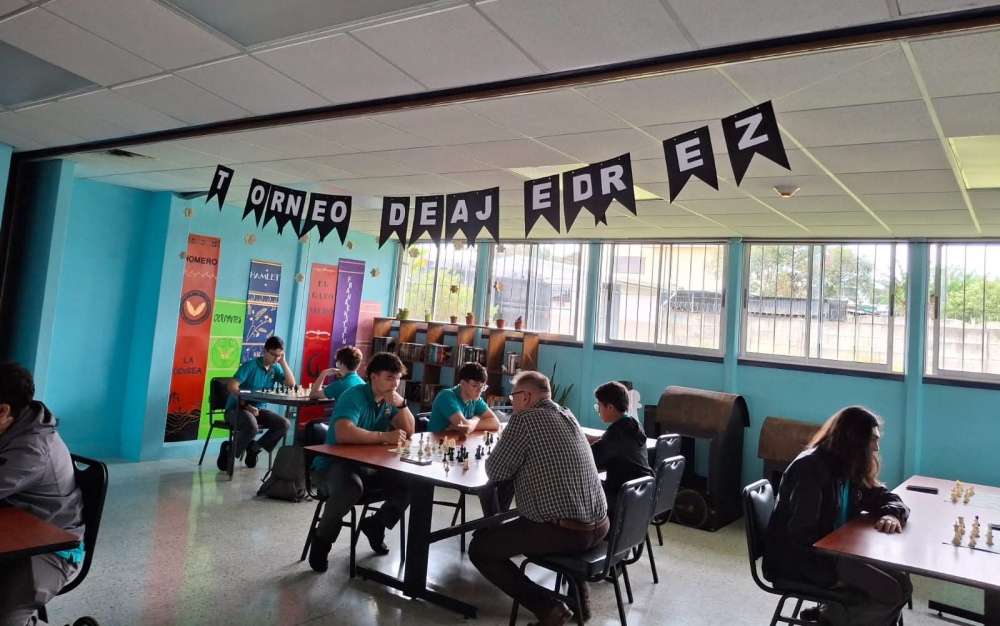
The Summit on Chess and Education in Costa Rica will launch a national pilot that brings classroom, based chess to ten public schools. The programme is built around inclusion, student wellbeing and simple implementation for teachers. This project will be continuously observed and – pending successful evaluation – the plan is to extend it nationwide.
Thus, the successful project can turn into a national strategy, written into education plans and budgets, so that a child in a rural public school has the same chance to learn through chess as a child in a capital city.
These projects are possible thanks to the hard work and support of people in FIDE and the community, such as Pepe Carillo and Mauricio Arias whose involvement has brought the projects to life.
For Latin America and the Caribbean, the Year of Chess in Education provides a clear moment and a common goal. My team at FIDE and I are fully committed to supporting and promoting this goal and we are looking forward to the conclusion and recommendation from the Summit on Chess and Education.
Arkady Dvorkovich, FIDE President
Photos: Costa Rica Chess Federation