FIDE Candidates: Sindarov inches closer as all games are drawn; Zhu Jiner joins Vaishali in the lead

Share this post:

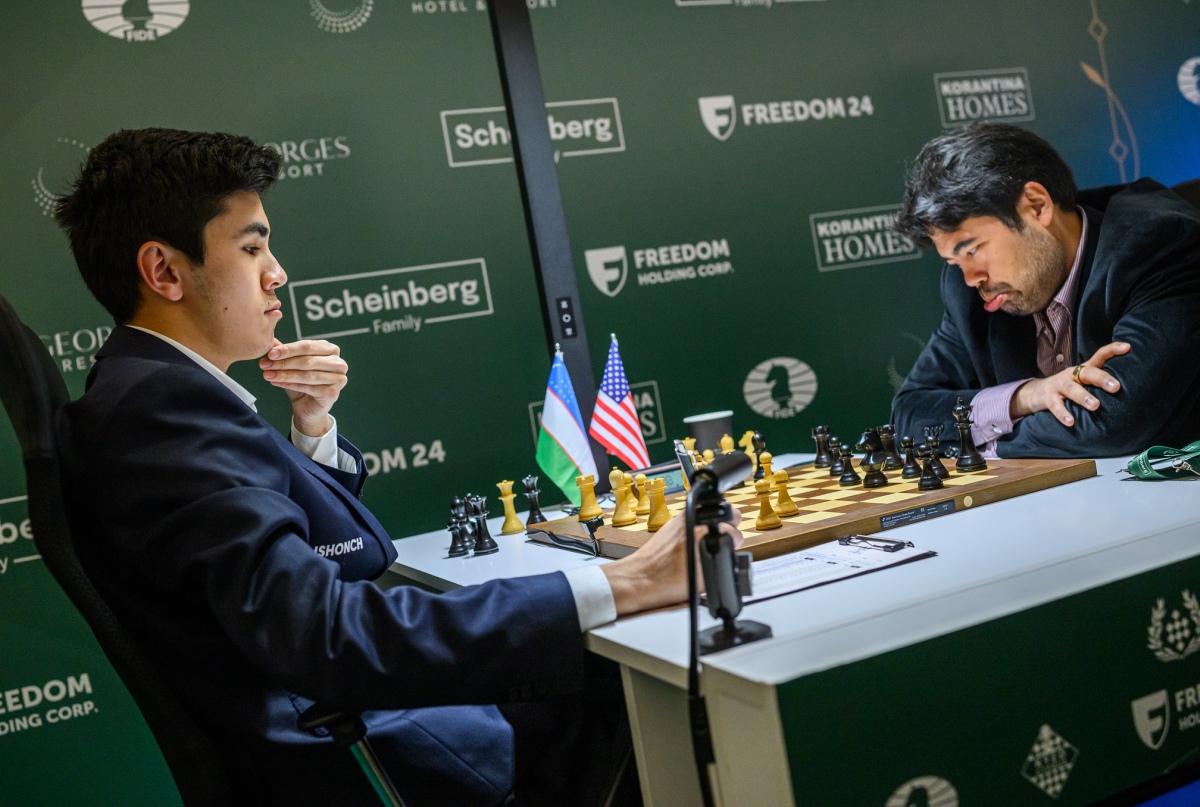
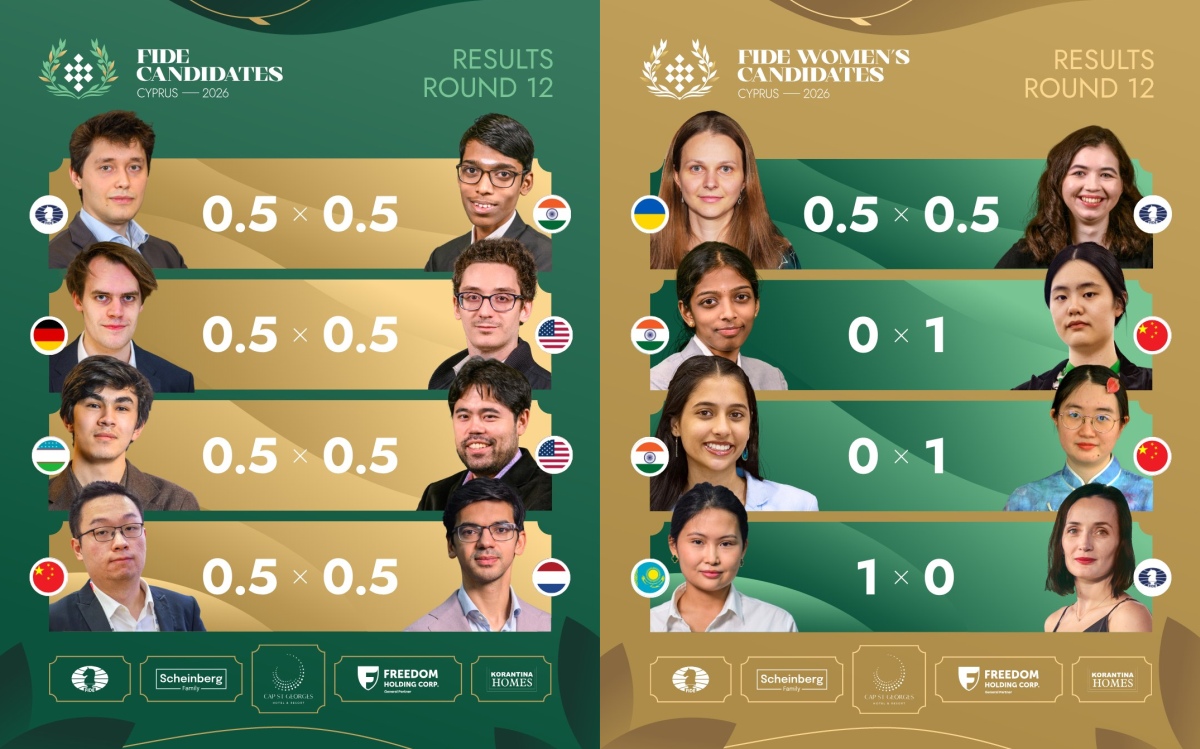
Javokhir Sindarov chose a cautious approach, drawing his game against Hikaru Nakamura this afternoon. With two rounds remaining, he moves one step closer to winning the Candidates and earning the right to challenge Gukesh for the title. The rest of the games also ended in draws, although Anish Giri came very close to defeating Wei Yi.

In the women’s section, Zhu Jiner made a strong statement by winning over Vaishali with the black pieces in an impressive game, moving into a tie for the lead. Bibisara Assaubayeva also secured a victory over Kateryna Lagno, narrowing the gap, while Anna Muzychuk missed a major opportunity against Aleksandra Goryachkina. With just two rounds to go, the tournament remains wide open.

Let’s take a closer look at the action.

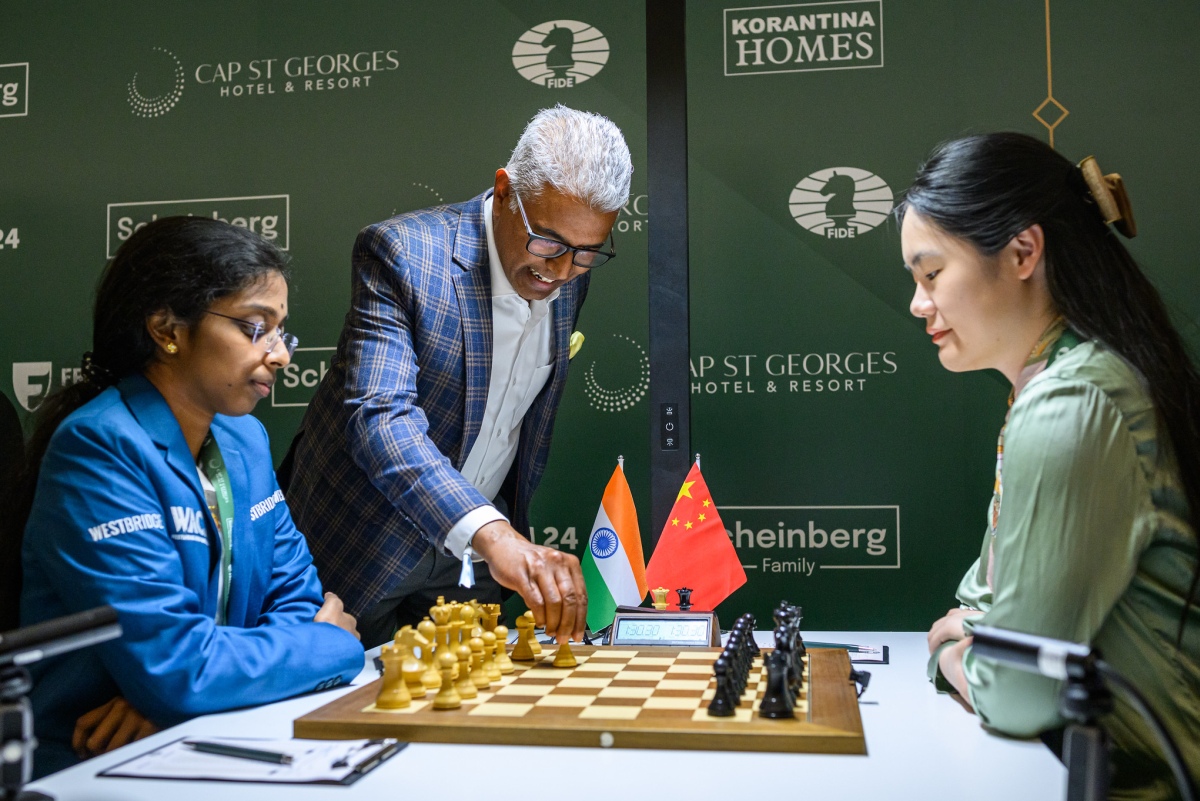
The ceremonial first move was performed by Mr. Manish, High commissioner of India, who opened the game for Vaishali.

Before the round began, all eyes were on the pairing between Javokhir Sindarov, leading the tournament with a two-point advantage, and Hikaru Nakamura. Would Sindarov push for a win?

“Every draw gets him miles nearer to the end goal,” noted commentator Peter Svidler during the live broadcast. The eight-time national champion, drawing on his vast elite experience, correctly anticipated that a cautious approach would prevail.

After trading all the pieces and signing the scoresheets, while the rest of the field were still deep in their openings, Sindarov and Nakamura headed to the media centre to explain their swift and strategically sound draw.

Sindarov was explicit about his strategy: “Yesterday’s game was very important, and today I needed a quick draw to rest and prepare well for tomorrow’s game against Anish Giri during the rest day. I was aiming for forcing draw lines; a fast draw is ideal for my situation. In fact, if I had the chance, I would have offered a draw immediately, but we have to play 40 moves.”

Nakamura also adopted a pragmatic stance: “If the scores were closer, I would have gone for a King’s Indian Defence, but I didn’t see any reason to take risks. I’ve stabilized my performance, but it hasn’t been my best tournament and, realistically, I was never going to win it. I’m just looking forward to the end.”

Still, Sindarov had a contingency plan: “If Hikaru had played something unusual, I was well prepared and ready to fight. But before the game, my coach advised me not to go for a long battle if he stuck to his usual lines. Against Anish, though, I’m ready for a long fight if he wants to push for a win: we’ll see.”

The remaining three games also ended in draws, underlining the remarkably high level of play among all the contenders.

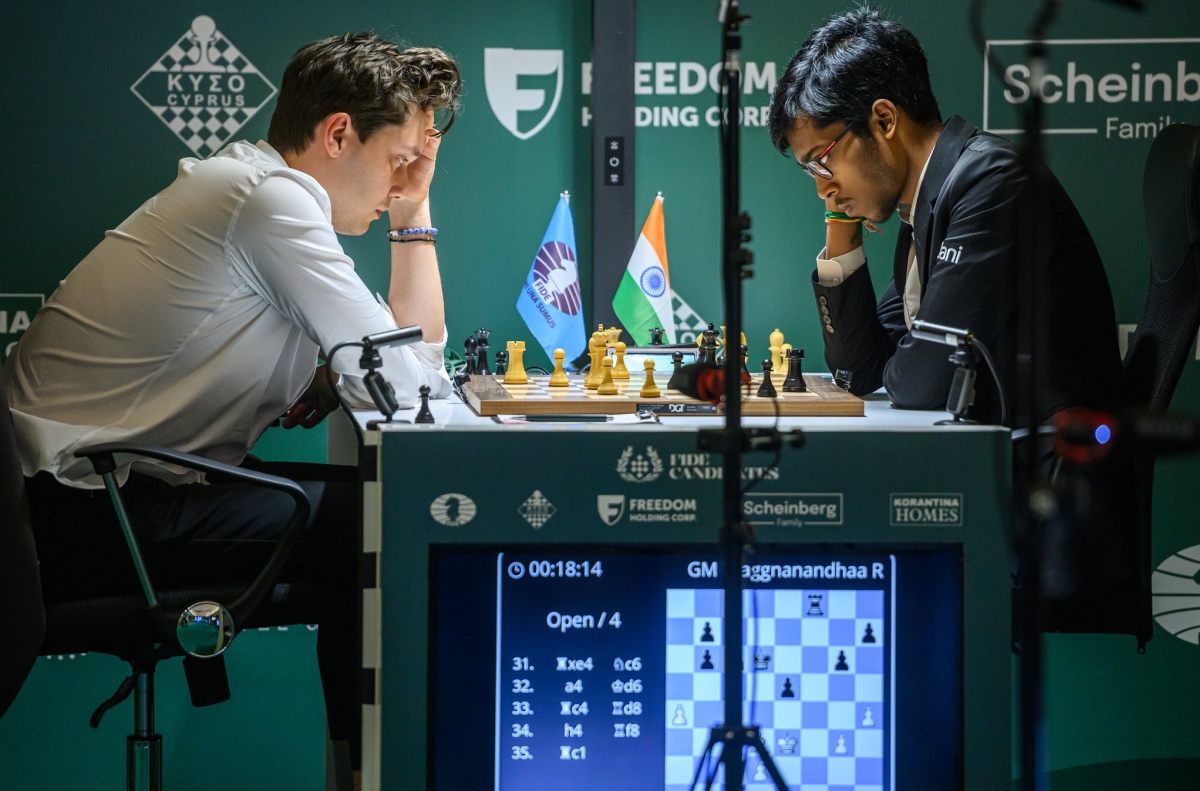
In their encounter, Andrey Esipenko and Praggnanandhaa R entered a sharp and dynamic opening that both players had deeply analysed in their home preparation. Unsurprisingly, the game was handled with near-perfect precision and ultimately steered to a draw, with accuracy levels approaching 99%.

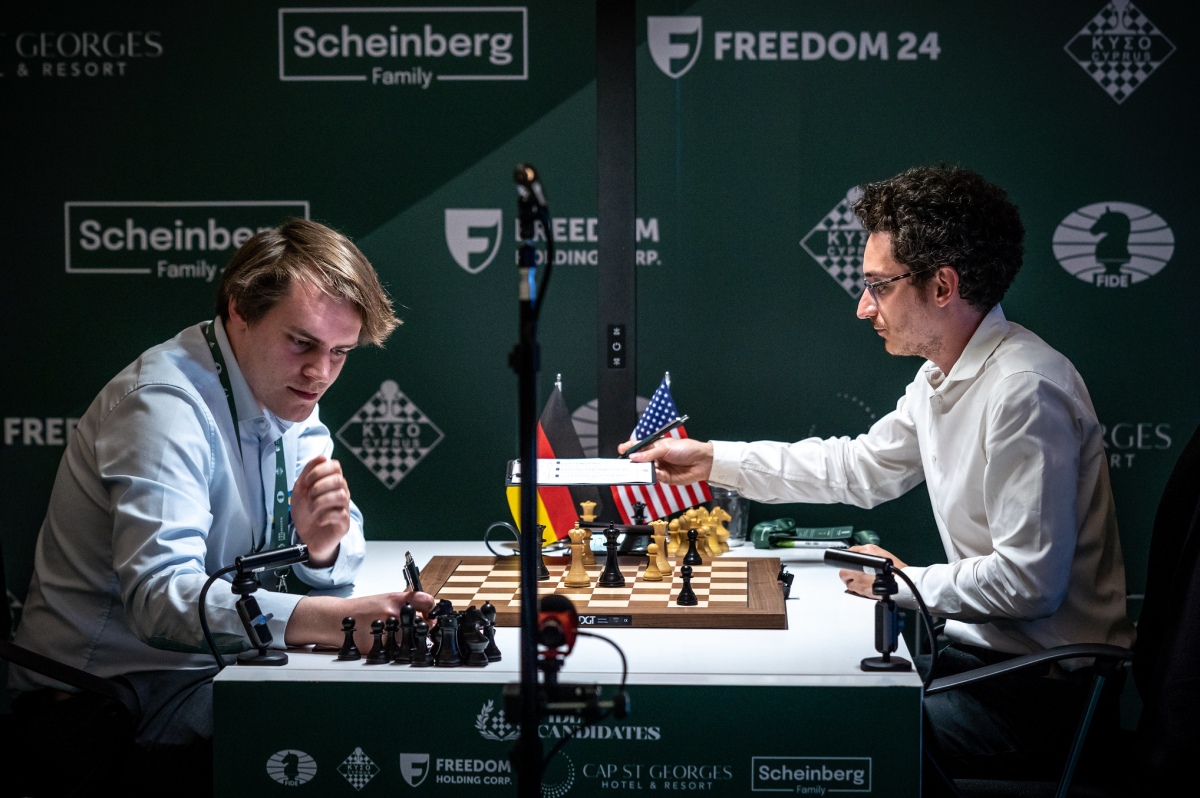
Matthias Bluebaum, meanwhile, stuck to his preferred Carlsbad structure in his game against Fabiano Caruana, introducing a subtle twist with 6.Qc2. As commentator Jan Gustafsson described it, it was “a cunning little waiting move.” The game was another model of precision, reaching an accuracy of 97–98%, with virtually no mistakes from either side.

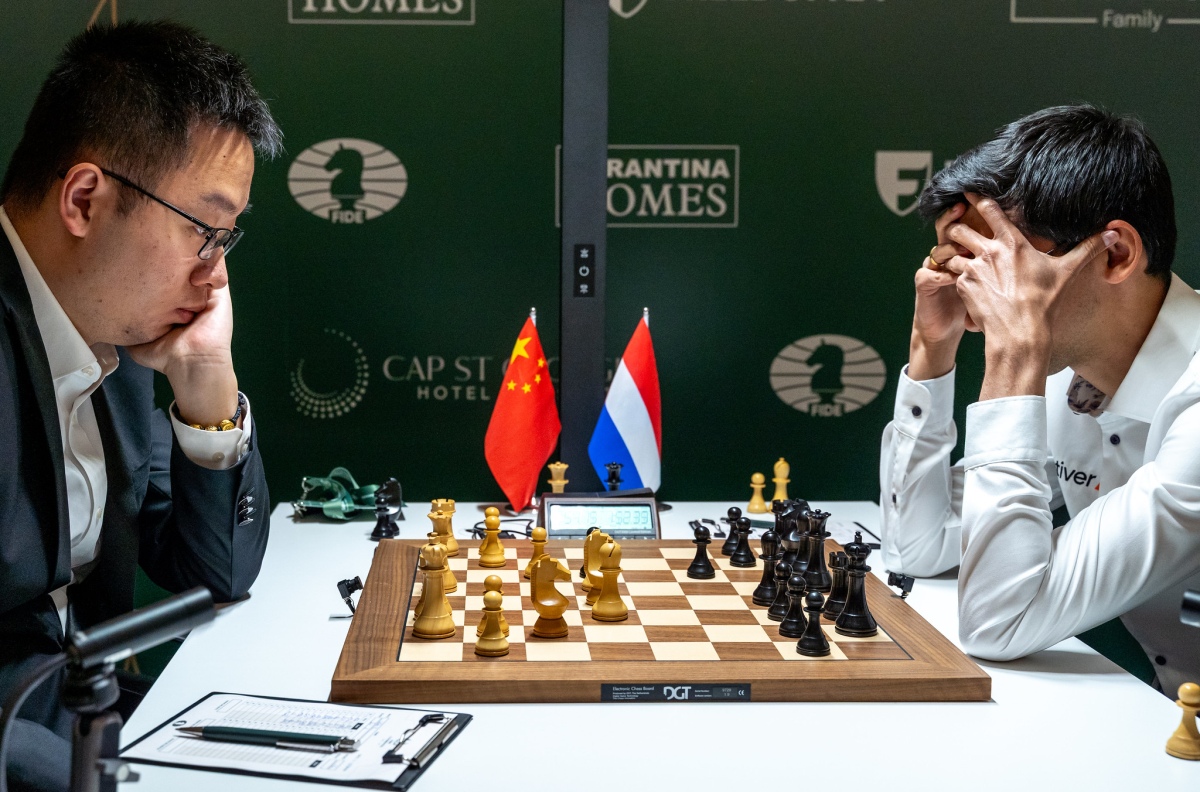
However, Anish Giri missed a significant opportunity to close the gap with Javokhir Sindarov in his game against Wei Yi. Wei Yi remained faithful to his Candidates preparation with the 2.Nc3 and 3.Bc4 setup, but on this occasion, he was outprepared.

Giri seized the initiative early, winning a pawn and transitioning into a favorable middlegame featuring a strong knight against a weak bishop, yet ultimately was unable to convert the advantage into a full point.

The key moment of the game arose on move 32. With nearly 20 minutes remaining to make eight moves, Anish Giri spent 15 minutes searching for a winning continuation.
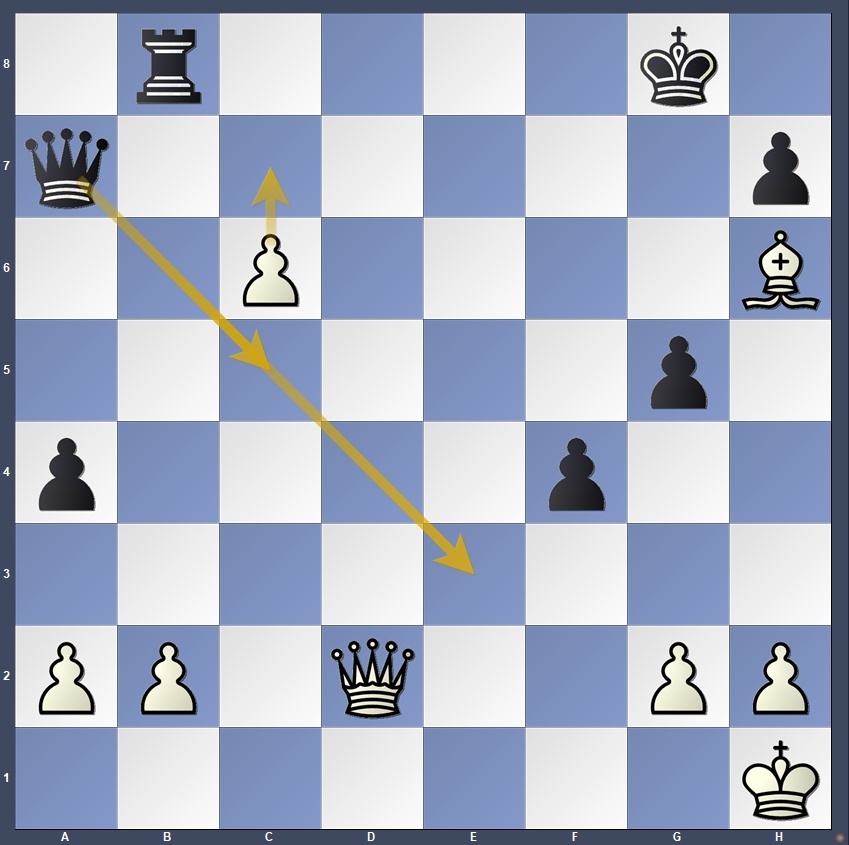
The position is extremely tricky. Although Giri has extra material, his king is exposed and White’s passed c-pawn carries significant counterplay. The winning move was, perhaps unsurprisingly, 32…Qe3!. A queen exchange would have effectively decided the game in Black’s favour.

If 33.Qd5+ followed, then 33…Kh8! and after 34.Bg7+ Kxg7 35.Qxg5+ Kf7 36.Qf5+ Ke7 37.Qxh7+ Kd6 38.Qd7+ Kc5!, Black escapes the checks with a decisive advantage.

Instead, Giri chose a different continuation, namely 32…Qc5? which failed to 33.c7! Although Anish retained some chances later in the game, he was ultimately unable to convert. His final opportunity will come in the next round, where he faces a must-win situation with the white pieces against tournament leader Javokhir Sindarov.

With three decisive outcomes and just one draw, the round in the FIDE Women’s Candidates proved even more exciting.

Zhu Jiner scored an impressive victory with the black pieces against Vaishali Rameshbabu in a rich and complex game, joining the tournament lead with only two rounds remaining. Both players joined Zach for the press conference after the game.
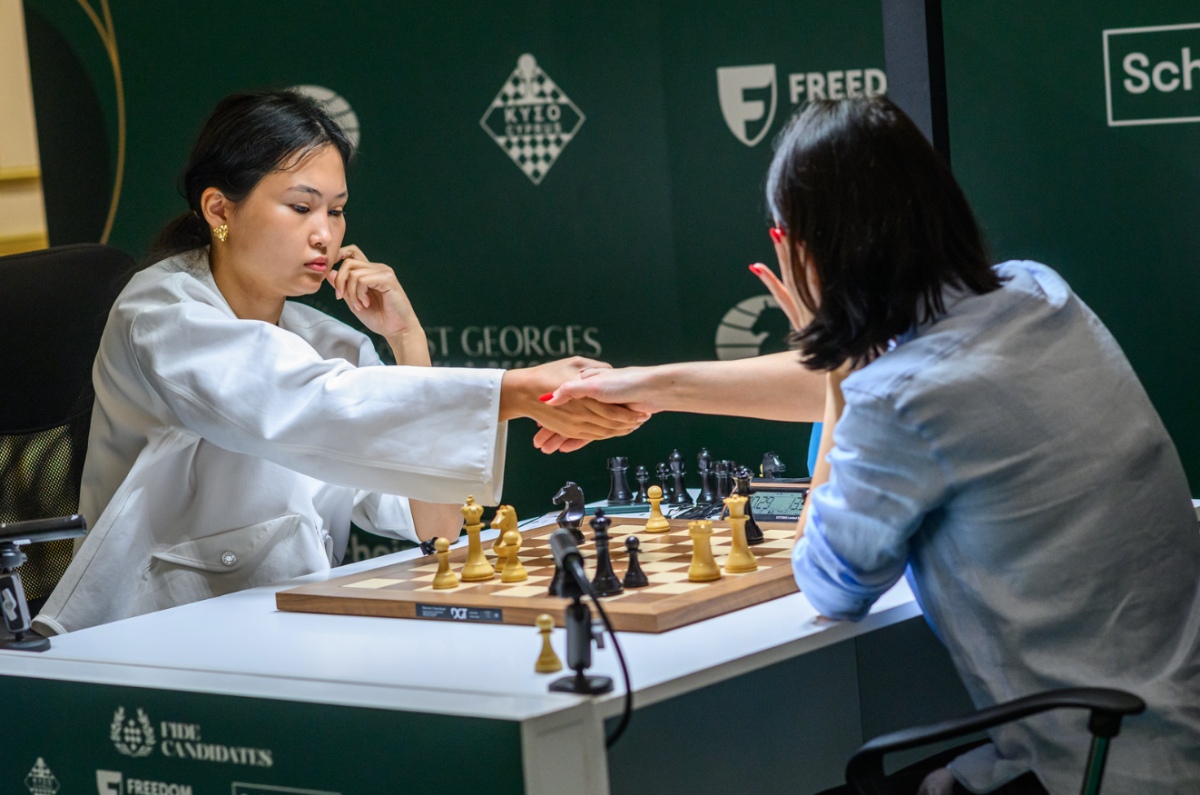
Meanwhile, Bibisara Assaubayeva also scored a crucial win over Kateryna Lagno, moving to within half a point of the leaders.

Assaubayeva opted for a fashionable line in the Greco Gambit – generally considered equal for Black – but one she had analyzed deeply in preparation. The game quickly turned highly tactical, and at one stage it seemed as though Lagno might come out on top. However, the momentum eventually shifted, and the full point went to the Kazakh grandmaster.

In her press conference, Assaubayeva expressed both relief and gratitude, particularly for her mother’s support: “I am happy that I won today. It’s my first win against Lagno in classical chess, although it wasn’t my best game. It was a difficult position to play because there were many weaknesses, and it wasn’t easy to understand what to do. I missed some tactics, but I had time to think and found some practical ideas to keep fighting. At some point it was at least a draw, and then I found a way to win.”

Anna Muzychuk missed a golden opportunity to join Vaishali Rameshbabu and Zhu Jiner in the lead. She played an excellent game against Aleksandra Goryachkina, an opponent she knows well, but with time running low, things went wrong at the critical moment.
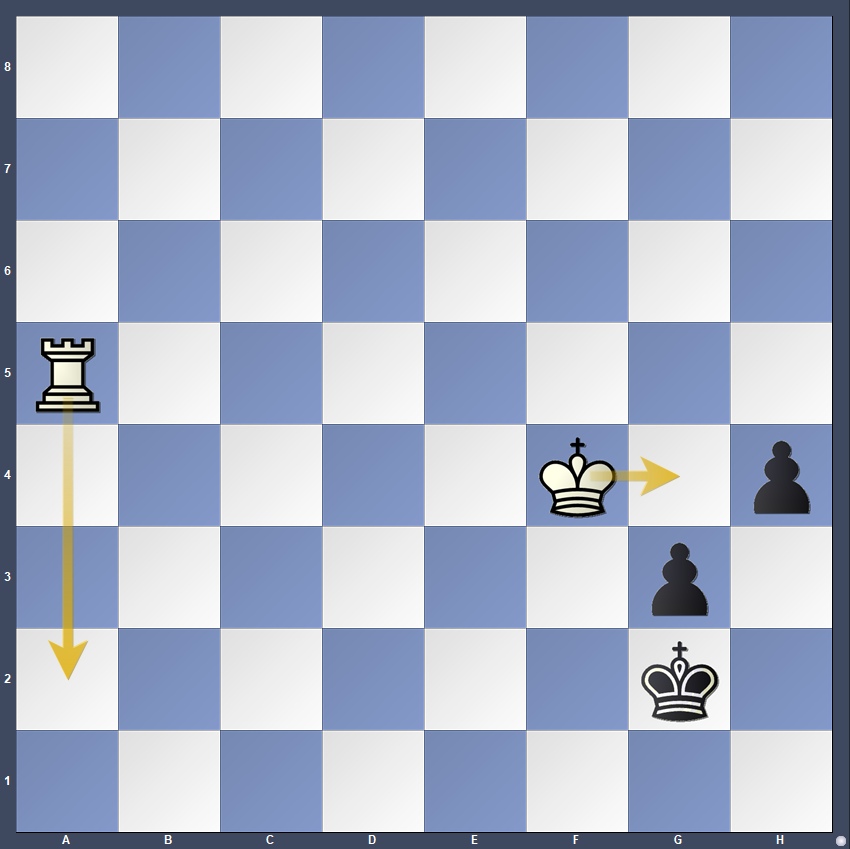
The resulting endgame was highly instructive. As a general rule, when the king is close to the pawns, the side with the rook should be winning, but converting such positions is far from simple.

The correct plan began with 65.Kg4!. After 65…Kh2 (65…h3 fails to 66.Ra2+), the only winning move, difficult to find under time pressure, was 66.Rh5!. Following 66…g2 67.Rxh4+ Kg1 68.Kg3 Kf1, White continues with 69.Rf4+! Kg1 70.Rf5! (not 70.Rf2? Kh1!, which leads to stalemate). Then 71.Rh5+ Kg1 72.Rh2 wins the pawn and, ultimately, the game. A beautiful but highly nontrivial sequence.

Instead, Anna played 65.Ra2+? but after 65…Kh3! 66.Ra3 Kh2 Aleksandra escaped with a draw.
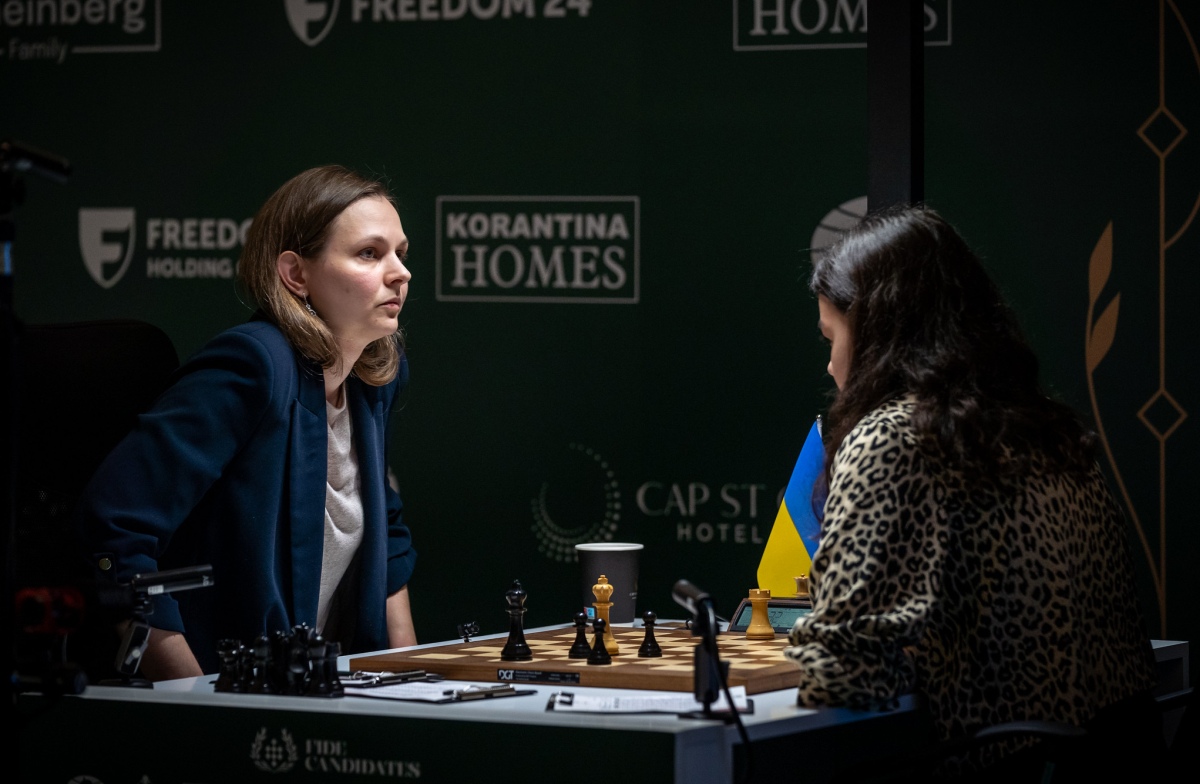
Finally, Divya Deshmukh introduced a novelty with 7.c4 in the Konstantinopolsky Variation of the King’s Knight Opening against Tan Zhongyi. According to Peter Svidler, this setup is gaining popularity despite bending classical opening principles, in this case, conceding control of the d4 square.

Divya held the initiative for much of the game, but Tan defended resourcefully and eventually turned the tables in the endgame. In a model example of same-colored bishops combined with weak-square play, the former Women’s World Champion demonstrated excellent technique to capitalize and secure her first win of the tournament.

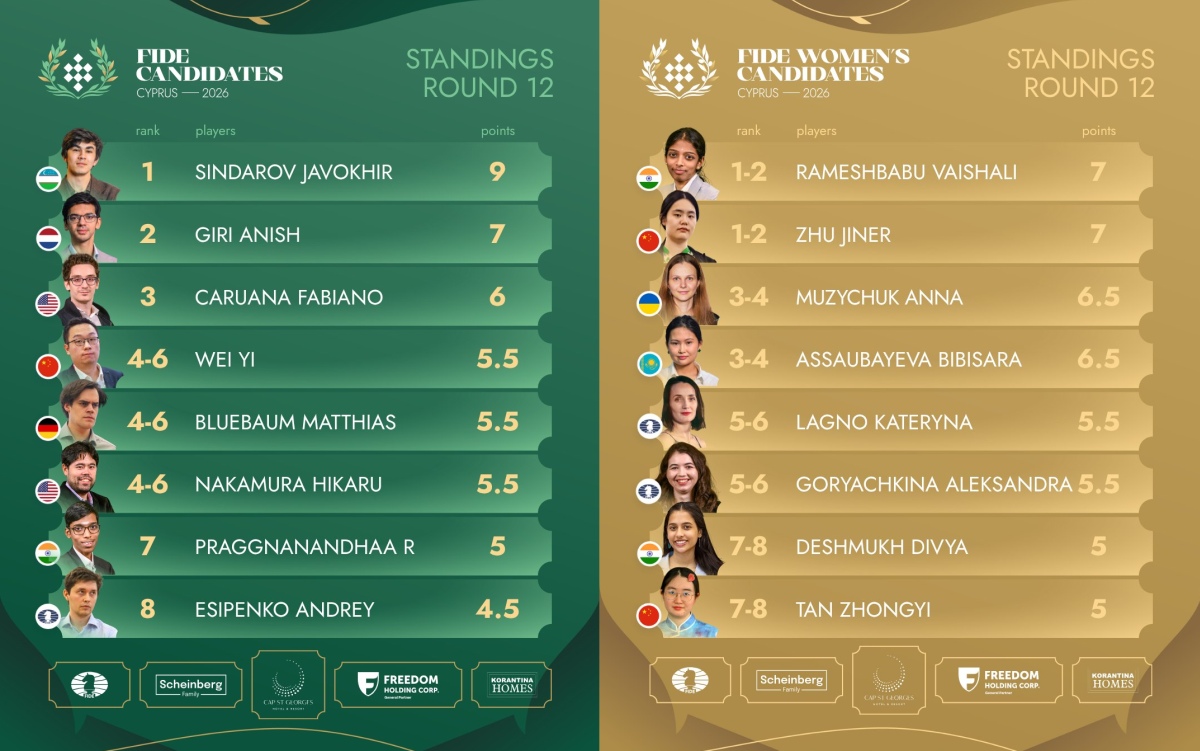
Standings after Round 12

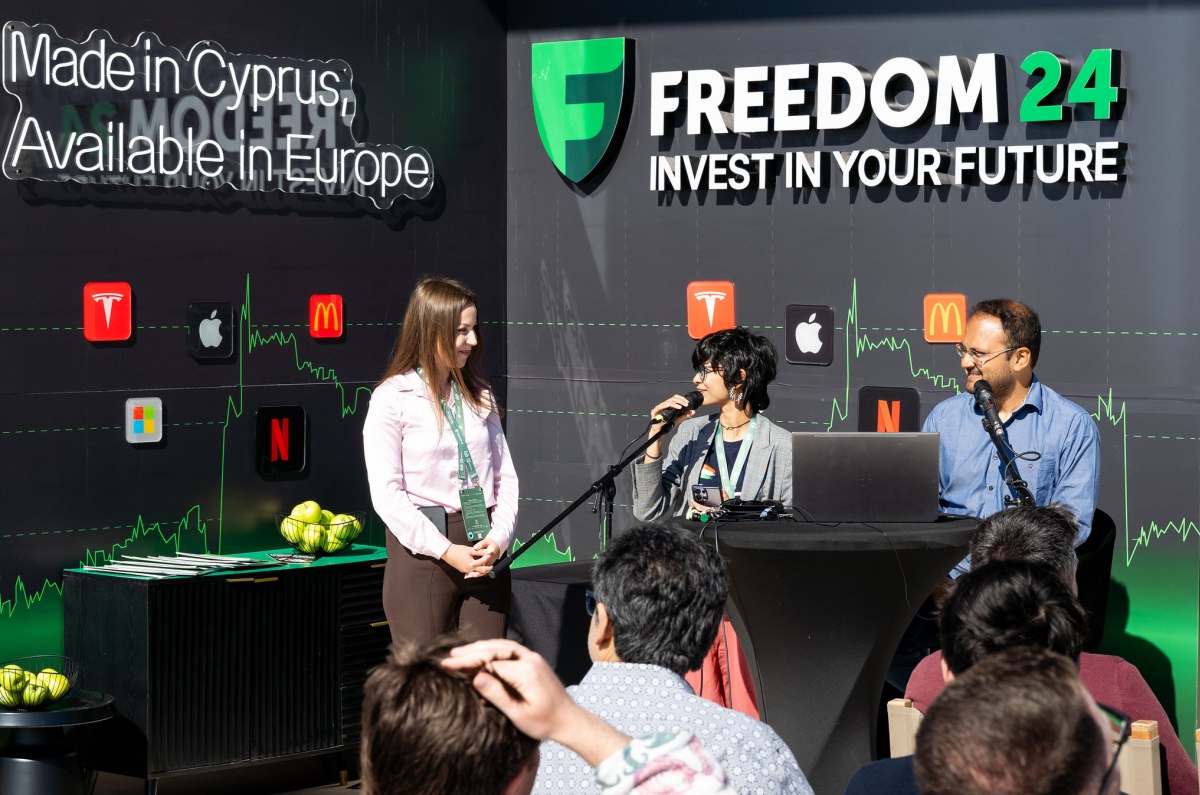
The Fan-Zone featured a trivia quiz with IM Sagar Shah, joined by GM Emil Sutovsky, followed by some live-commentary of the round with GM Jan Smeets, second of Anish Giri in Cyprus. Both events were hosted by FIDE presenter Angelika Valkova.

Tomorrow is the final free day. Round thirteen will be played on April 14, at 3:30 pm (Cyprus).

Official website: https://candidates2026.fide.com/

Event photo gallery: https://www.flickr.com/photos/fide/

Live daily broadcast with GM commentary: https://www.youtube.com/@FIDE_chess

Written by IM Michael A. Rahal (Cyprus)

Photos: Michal Walusza, Niki Riga

MORE ON THE TOPIC