

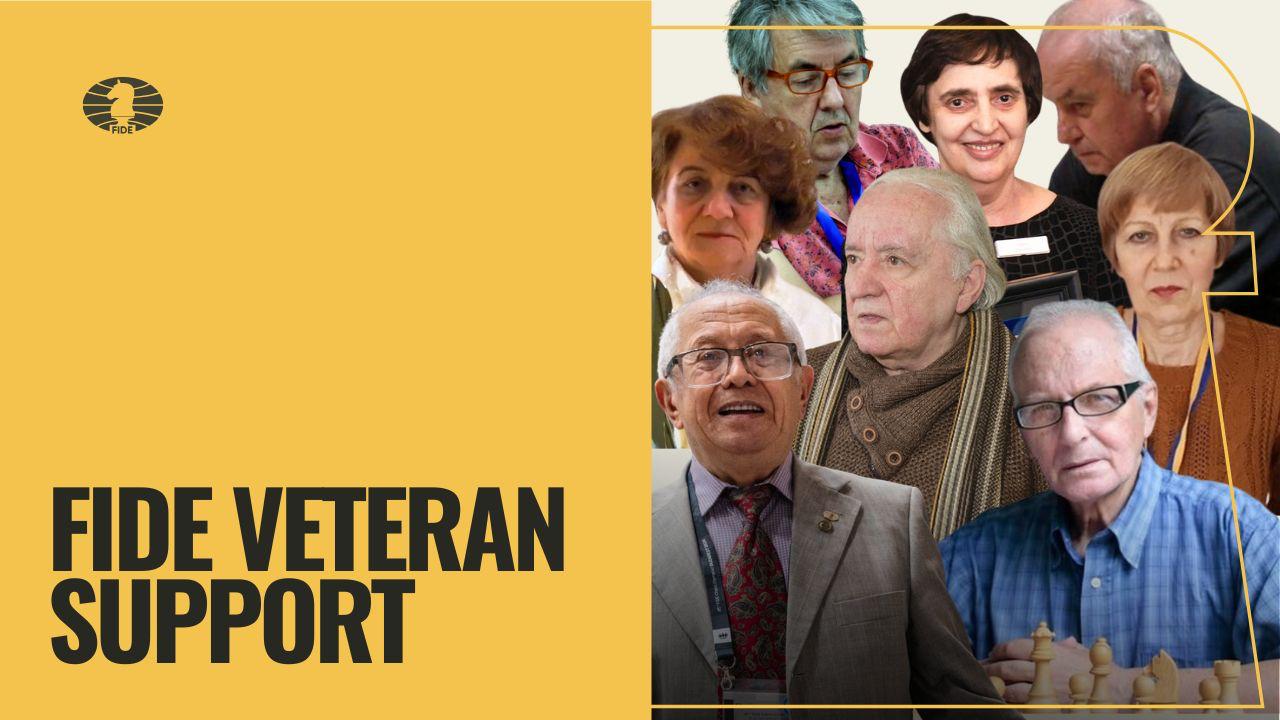
After carefully reviewing the numerous applications received, the special panel appointed by the FIDE Council has selected seventeen chess players, coaches, and organizers to benefit from FIDE’s 2026 support program for chess veterans:
GM Leonid Yudasin (ISR)
GM Florin Gheorghiu (ROU)
WGM Irina Levitina (USA)
IA Boris Postovsky (USA)
GM Yehuda Gruenfeld (ISR)
IM Vadim Faibisovich (RUS)
IM Alexander Lysenko (RUS)
Mark Ruderfer (RUS)
GM Nikolay Legky (FRA)
IM Aleksander Veingold (EST)
WIM Ligia Jicman (ROU)
FM Yunus Hasan (BAN)
FM Danilo Buela Valdespino (CUB)
WFM Valeria Dotan (ISR)
WIM Lyudmila Aslanian (UKR)
WFM Jambaldoo Lkhagva (MGL)
Zdenek Zavodny (CZE)
A total of €37,000 will be distributed among them. Since the program’s inception twelve years ago, FIDE has allocated nearly €500,000 in support of chess veterans. As in previous years, we will honor these distinguished veterans with brief profiles highlighting their careers and achievements, recognizing their enduring contributions to the game of chess.
Leonid Yudasin (ISR)
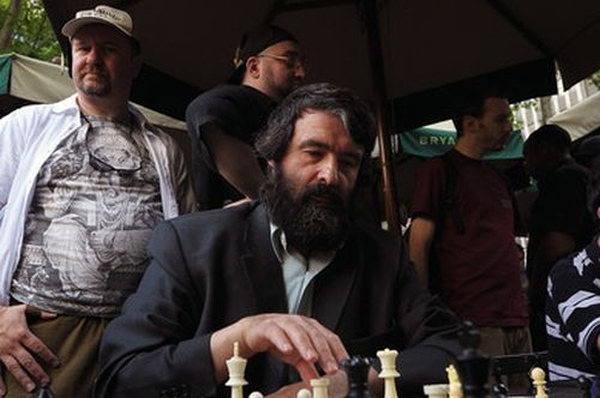
Born in 1959 in Leningrad (now Saint Petersburg), Leonid Yudasin was introduced to chess by his father, a strong amateur player. His progress was steady rather than rapid. Yudasin’s early career in the Soviet Union unfolded amid significant personal challenges, including discrimination and expulsion from university due to antisemitism. In 1981, he qualified for the USSR Championship; a year later, he was awarded the title of International Master, and in 1984, he won the championship of his native city.
Yudasin became a joint winner of the 1990 USSR Championship alongside Alexander Beliavsky, Evgeny Bareev, and Alexey Vyzmanavin. Beliavsky claimed the title on tiebreak, while Yudasin took silver. That same year, he earned an individual bronze medal and a team gold medal at the Chess Olympiad in Novi Sad, playing for the Soviet Union. In 1994 and again in 1996, he represented Israel at the Olympiads in Moscow and Yerevan, respectively.
Yudasin qualified for the Candidates cycle twice. In 1990, he tied for fifth place at the Manila Interzonal but lost to Vassily Ivanchuk in the Round of 16. Three years later, he qualified again after finishing sixth at the 1993 Biel Interzonal, only to be eliminated by Vladimir Kramnik in the quarterfinals. His standout international result came at León 1993, where he won ahead of Alexey Vyzmanavin, Veselin Topalov, Anatoly Karpov, and a young Peter Lékó. His tournament victories include Leningrad 1989, Calcutta 1990, Pamplona 1990/91 (and jointly in 1991/92 with Miguel Illescas), Dos Hermanas 1992, the Botvinnik Memorial 1995, the Haifa Super Tournament 1996, and St. Petersburg White Knights 1998. At Reggio Emilia, he tied for first with Dimitri Komarov in 1997/98 (ceding the title on tiebreak) and won outright in 1999/2000. In 2002, he tied for first at the U.S. Masters Chess Championship.
Yudasin lived in Israel for many years and was twice Israeli champion, winning in Tel Aviv (1994) and Jerusalem (1996). He has won tournaments across the United States and placed second at the 1990 U.S. Open and the 2001 World Open in Pennsylvania. Since 2002, he has resided primarily in New York, frequently competing in the weekly Masters tournament at the Marshall Chess Club. In 2004, he won a strong tournament in Montreal, Canada.
He is also a coach and director of the Brooklyn Chess Academy. Among his notable former students are Varuzhan Akobian, Maurice Ashley, Irina Krush, and Jennifer Shahade.
Yudasin authored the monumental historical-philosophical work The Millenary Chess Myth (2004).
Florin Gheorghiu (ROU)
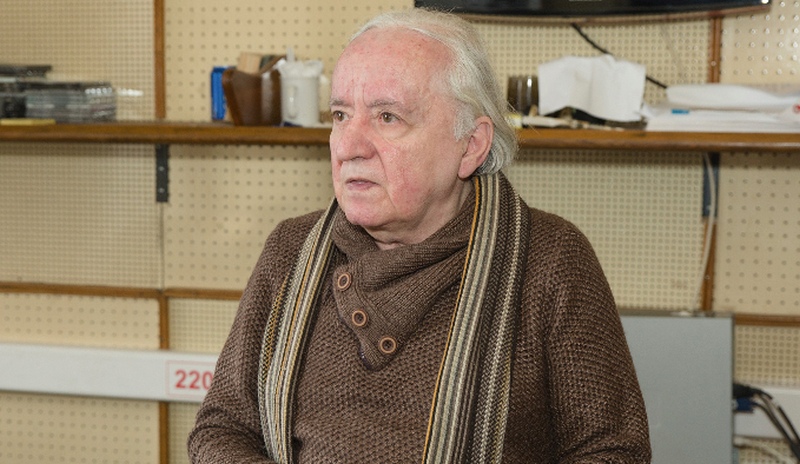
Florin Gheorghiu stands as Romania’s most accomplished chess player and the nation’s first Grandmaster. Born in Bucharest in 1944, he rose to international prominence by winning the World Junior Chess Championship in 1963.
A nine-time Romanian National Champion, Gheorghiu represented his country in 14 Chess Olympiads between 1962 and 1990, primarily on top board. His career peak arrived in 1980, when he reached world No. 10 with an Elo rating of 2605 – a record unmatched by any other Romanian player. Among his notable international achievements are three consecutive U.S. Open titles (1979–1981) and a historic victory over Bobby Fischer at the 1966 Havana Olympiad.
After retiring from competitive play with a final FIDE rating of 2367, Gheorghiu remains celebrated as one of Romania’s greatest chess figures.
Beyond competition, Florin Gheorghiu has made a lasting contribution to chess culture through his books and writings, culminating in his most recent volume, Art in Chess and in Life, a reflective volume that blends elite-level analysis with personal insights from more than four decades at the highest level of the game.
Irina Levitina (USA)
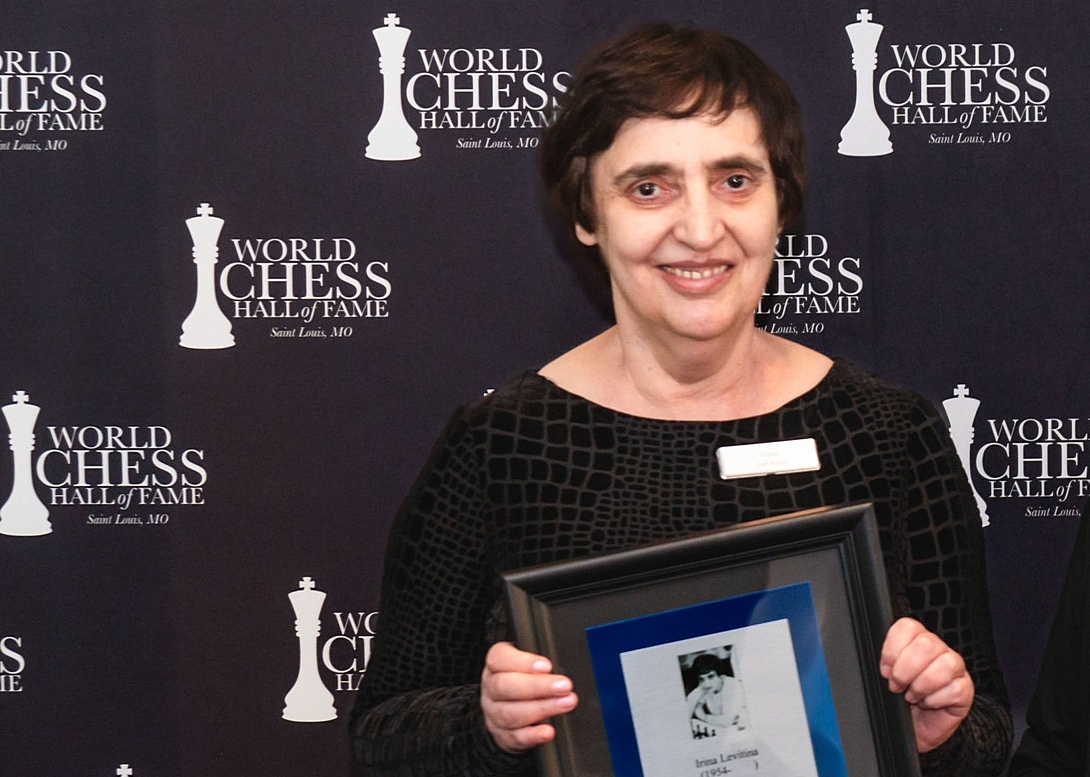
Irina Levitina is a distinguished Woman Grandmaster (awarded 1976) whose career spans more than five decades at the highest levels of international chess. While also recognized as an elite bridge player, her enduring legacy lies in competitive chess –particularly her campaigns in the Women’s World Championship cycle – and her decades of coaching and mentorship.
Born in 1954 in Leningrad (now Saint Petersburg), Levitina began playing chess seriously around age ten. Her formal training commenced at the Pioneers Palace in her hometown under the guidance of Master Byvshev. Later she worked with Master Kondratiev, and GM Furman (coach of the 12th World Champion, Anatoly Karpov). She progressed rapidly, winning the USSR Girls’ Championship in 1969. Two years later, she claimed the USSR Women’s Championship title in 1971—a feat she repeated in 1978, 1979, and 1981.
Her pursuit of the women’s world championship culminated in a title match against Maia Chiburdanidze in 1984, which Levitina lost. She also played a pivotal role in the Soviet Union’s Chess Olympiad successes, contributing to gold medal victories from 1972 to 1984.
After emigrating to the United States in 1990, Levitina became U.S. Women’s Champion in 1991 (jointly), 1992, and 1993 (jointly).
As a co-founder and coach at the International Chess Academy (ICA), Levitina has mentored numerous students to expert and master strength. Her coaching emphasizes tournament preparation, strategic understanding, and long-term player development.
In 2024, Irina Levitina was inducted into the World Chess Hall of Fame.
Boris Postovsky (USA)
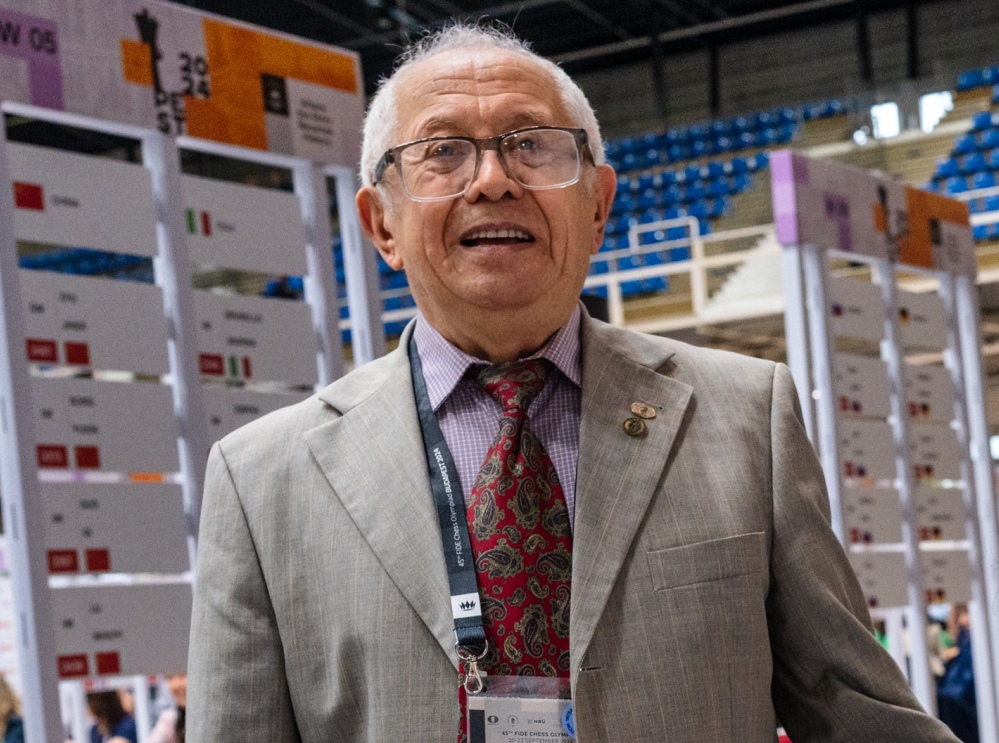
Born in 1937 in Moscow, Boris Postovsky learned chess in early childhood but began taking the game seriously while studying at Bauman Moscow State Technical University, where he earned the Candidate Master title and captained the university chess team.
In the 1970s, Postovsky dedicated himself fully to chess administration and development. He headed the chess department of the Burevestnik sports society and served as director of Vasily Smyslov’s chess school. He was awarded the ICCF Master title following his success in the USSR Correspondence Championship (1979–1980).
In the early 1990s, Postovsky was appointed head coach of the Russian national team. Under his guidance, Russia won four Chess Olympiads (1994, 1996, 1998, and 2000) and the 1997 World Team Championship.
Postovsky has held the title of International Arbiter since 1987. He served as Chief Arbiter for numerous elite events, including the Zsuzsa Polgár–Nona Ioseliani match (1993), the Russian Team Championship (2011), the Alekhine Memorial (2013), the Petrosian Memorial (2014), and the fourth leg of the FIDE Grand Prix 2014–2015 in Khanty-Mansiysk (2015).
After emigrating to the United States, he captained the American national team at the 2004 Chess Olympiad and the 2005 World Team Chess Championship.
Throughout his long and prolific career, Postovsky has mentored and coached several Grandmasters, including Evgeny Bareev, Alexander Chernin, and Sergey Tiviakov. In 2014, he was awarded the Tigran Petrosian Medal of Honor for his coaching achievements.
Postovsky’s name is inscribed in FIDE’s Golden Book.
Yehuda Gruenfeld (ISR)
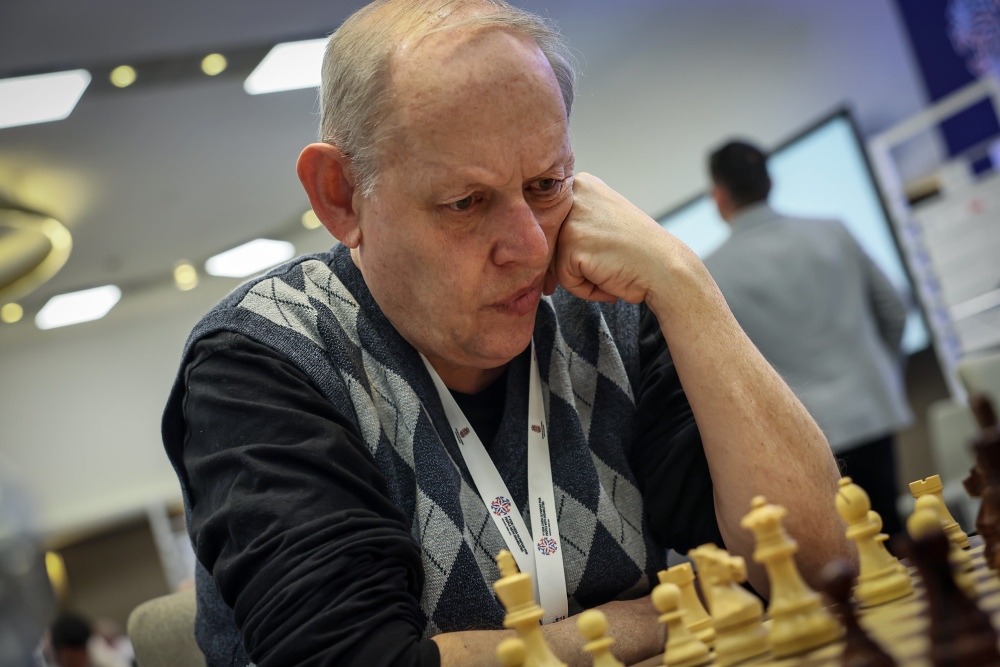
Born on February 18, 1956, in Dzierżoniów, Poland, Gruenfeld later immigrated to Israel and has represented his adopted nation in international chess for over four decades.
After moving to Israel as a teenager, he quickly established himself in the national chess scene, winning the Israeli Junior Championship in 1974. That same year, he gained early international experience at the European Junior Chess Championship, qualifying for the main event after an impressive performance in the preliminary stage.
In the late 1970s, Gruenfeld compiled a series of strong results across European tournaments and was awarded the International Master title in 1978. He earned the Grandmaster title in 1980 and reached his peak FIDE rating of 2550 in July 1986, ranking among the world’s elite players during that era. His competitive consistency was evident in both international and domestic events: he won the Israeli Championship in 1982 and again in 1990, and claimed first place at the 1984 Dortmund Sparkassen Tournament (Category IX) with a score of 7.5/11.
Gruenfeld represented Israel at six Chess Olympiads between 1976 and 1992 and qualified for the Interzonal tournaments twice – Riga 1979 and Zagreb 1987.
Yehuda Gruenfeld has been actively involved in deaf chess competitions throughout his career (he lost his hearing at the age of six months due to complications of antibiotic treatment), balancing participation in these specialized events with mainstream competitions. Gruenfeld’s most notable achievement in deaf chess came at age 68, when he won the 18th ICCD World Deaf Individual Chess Championship in Belgrade, Serbia, in 2024.
Following his active competitive career, Gruenfeld has dedicated himself to chess coaching and education, continuing to contribute to the development of the game in Israel and beyond.
Vadim Faibisovich (RUS)

Born in 1944 in Chusovoy, Vadim Faibisovich honed his chess skills at the Leningrad Children’s Palace under the tutelage of prominent coaches Vladimir Zak and Efim Stolyar, earning the Master of Sport title in 1965.
In 1962, he made his debut in the Leningrad Chess Championship and claimed the title three years later. Over his career, he participated in twenty editions of the event, repeating his success in 1969 and 1977. In 1967, Faibisovich qualified for the USSR national team and represented his country at the World Student Team Chess Championship in Harrachov, scoring an impressive 7/8. Two years later, he won a strong Central Chess Club tournament in Vilnus, finishing ahead of Jan Timman, Yuri Razuvaev, and Albert Kapengut.
Following this victory, Faibisovich dedicated himself to chess coaching. For many years, he served as a youth trainer at the St. Petersburg Children’s Palace and as an instructor at the Smyslov Chess School.
In the early 1990s, he resumed competitive play and was awarded the International Master title. Faibisovich has since built an outstanding record in senior team events, winning the World Senior Team Championship (2014) and the European Senior Team Championship (2015).
A respected chess historian and author, he has co-authored several books, including Chess Chronicle of Petersburg, The Kinfolk of Victor Korchnoi, and There Is No Oblivion: Chess in Blockaded Leningrad. He has also contributed numerous articles to chess publications worldwide.
Alexander Lysenko (RUS)
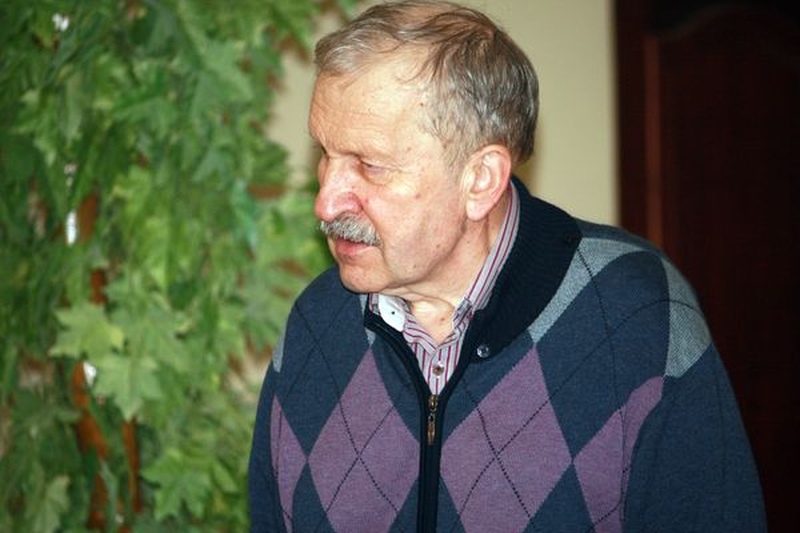
Born in 1951 in Sverdlovsk (now Yekaterinburg), USSR, Alexander Lysenko has enjoyed a long and distinguished career as a chess coach and mentor. After earning the Master of Sport title in 1974, he devoted himself primarily to developing young talent, though he occasionally competed successfully in international tournaments – winning events in Wodzisław Śląski, Poland (1987) and Patiala, India (1987).
Recognized as Russia’s best chess coach in 1996, Lysenko has trained numerous elite players, including European Junior Champion (U20) Andrey Shariyazdanov (1996), GMs Ivan Šarić, Hrvoje Stević, and Nikola Sedlák, as well as WGMs Nisha Mohota and Eesha Karavade.
From 1990 to 2006, Lysenko served as head coach of the Japanese national team, leading them at eight Chess Olympiads over a sixteen-year period.
He has also maintained an active presence in senior competitions, notably winning the European Senior Team Championship in 2018.
Since 1976, Lysenko has published more than one hundred articles in chess periodicals worldwide and authored the book Evaluation of Position (1990).
Mark Ruderfer (ISR)
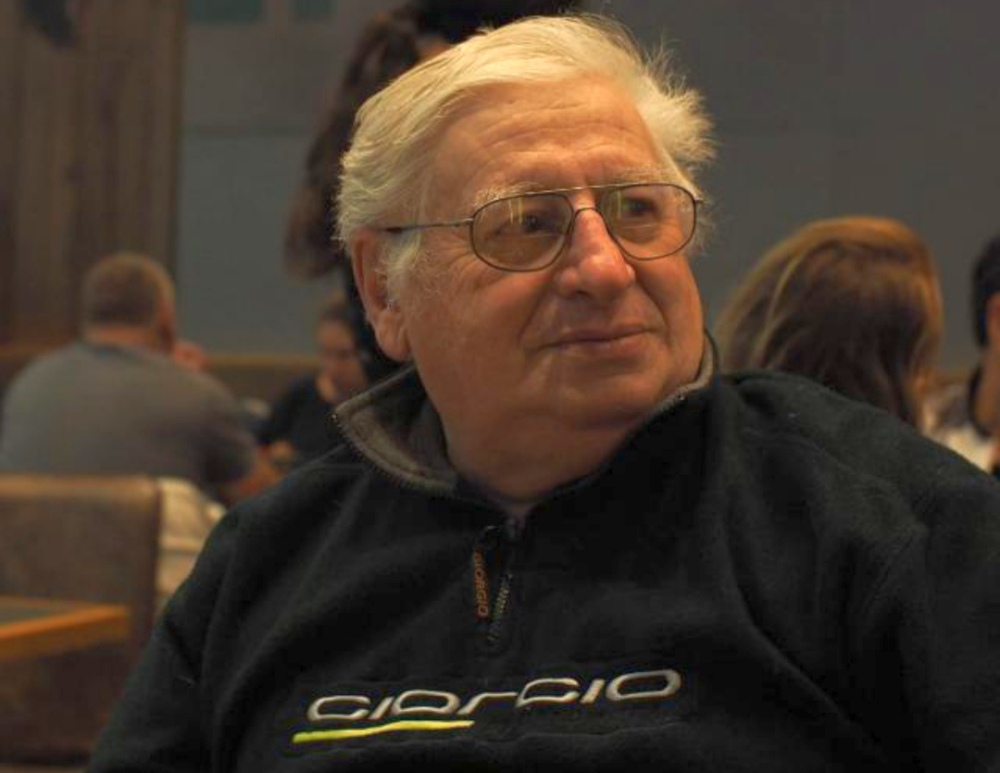
Born in 1947 in Tashkent, Mark Ruderfer learned chess at age six and followed a path typical of Soviet players, training at his native city’s Children’s Palace. His debut on the USSR junior circuit as part of the Uzbek team was far from successful, but the experience motivated him to take chess more seriously and dedicate himself to intensive study.
After graduating with a degree in physics and engineering, Ruderfer worked at his alma mater, Tashkent Polytechnic University. He later left academia to devote himself fully to chess.
During his most productive competitive years (1970–1980), he won the Uzbek SSR Championship six times, finished second at the Khojaev Memorial (1979), and participated in multiple USSR Championship semifinals, though he never qualified for the final.
After transitioning to coaching, Ruderfer mentored numerous Grandmasters and Woman Grandmasters, including Vadim Milov, Mark Bluvshtein, Bella Gesser (née Igla), Tair Vahidov, and Marsel Efroimsky.
Nikolay Legky (FRA)
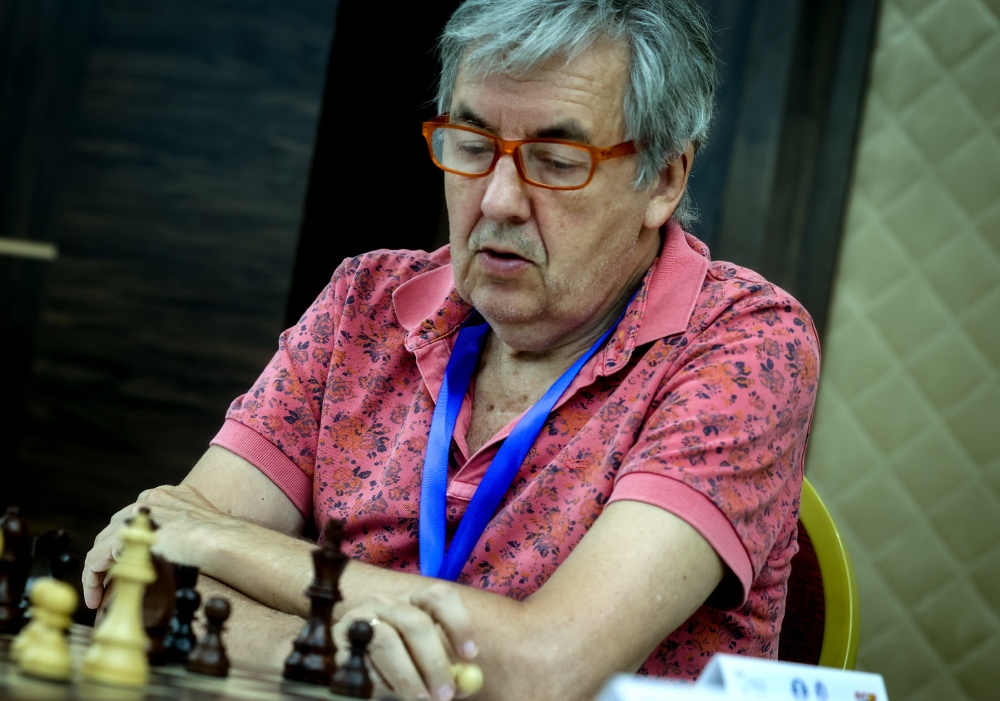
Born in Odesa in 1955, Nikolay Legky began his chess journey at his local chess club at age seven and has competed actively since age fourteen. His first notable success came in 1975, when he won the chess championship of his native city.
Legky was a regular participant in the Ukrainian SSR Championship throughout the 1970s and 1980s, appearing in the event ten times. His best results included tying for 3rd–4th place in 1984 and sharing 2nd–4th place in 1985.
From 1981 to 1984, Legky worked with GM Smbat Lputian, and from 1985 to 1988 he assisted GM Vladimir Malaniuk. Together with Lputian and Malaniuk, he annotated and published numerous games in Chess Informant and Soviet chess periodicals.
Following his European debut in 1988, he earned the International Master title in 1989 and was awarded the Grandmaster title in 1994. Since 1993, he has been associated with the Drancy Chess Club near Paris, serving simultaneously as a player and coach in French team championships.
From 2013 to 2014, Legky served as head coach of the Lebanese national team, leading them at the 2014 Chess Olympiad in Tromsø, Norway.
Since 2022, he has played for Strasbourg in French team championships and cups while remaining active in senior competitions. Notably, he claimed bronze medals in the 65+ category at the World Senior Chess Championship in both 2022 and 2023.
Aleksander Veingold (EST)
Born in 1953 in Tapa, Estonia, Aleksander Veingold first came to prominence after winning the Estonian Junior Championship in 1969. Fourteen years later, he captured the Estonian Chess Championship title (1983) and was awarded the International Master title. For decades, he remained one of the competition’s top contenders, finishing second four times and third six times.
In 1981, Veingold served as second to World Champion Maia Chiburdanidze during her title defense against Nana Alexandria. From 1986 to 1990, he coached Jaan Ehlvest, who rose to become one of the world’s top five players during that era. In recognition of his coaching achievements, he was honored as Merited Coach of the Estonian SSR (1988) and awarded the USSR’s highest coaching qualification, Trainer-Teacher of the Highest Category (1989).
Veingold represented Estonia at five Chess Olympiads between 1992 and 2000.
From 1998 to 2002, he served on FIDE’s Chess in Schools Committee and the FIDE Development Commission, receiving the FIDE Gold Badge of Honor for his contributions to chess development worldwide.
A prolific writer, Veingold has penned numerous chess articles – most recently in New In Chess (2025, Issue 5) – and authored several books, including The Greatest Deception in the History of Chess (2025) and Alekhine’s Defense (2026).
In 2005, he successfully defended his Ph.D. in practical philosophy at Tallinn University with the dissertation Pragma-Dialectics of the Chess Game: The Main Features of the Relationship between Formal and Informal Logical Heuristics of Argumentative Discourse in Chess. Building on this research and advocating for chess in compulsory education, Veingold developed and implemented in practice a pedagogical system he named Integrative Chess Teaching.
Ligia Letiția Jicman (ROU)
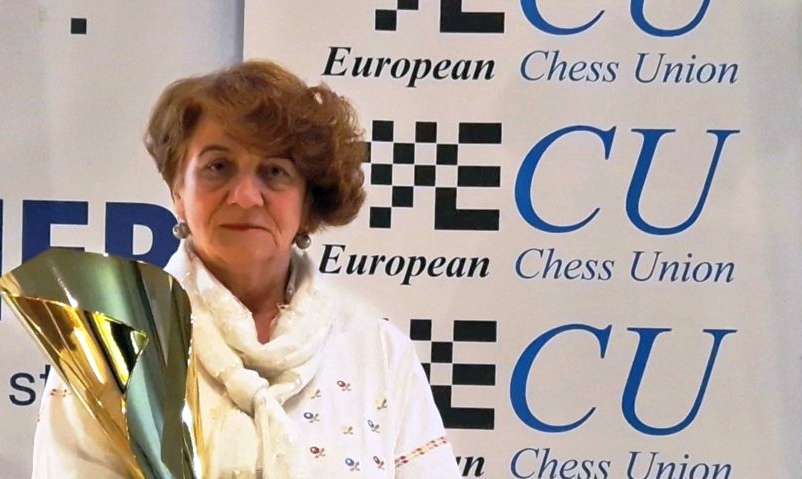
Ligia Letiția Jicman (born 1956 in Timișoara) is a Romanian Woman International Master (awarded 1982) and a former member of the women’s national team. She has enjoyed a distinguished career as a player, coach, and team captain. A two-time Romanian Women’s Champion (1986, 1998), she represented Romania in international competition from 1975 to 2003.
In 2025, she won the European Senior Championship (+65) in Rabac, Croatia. Between 2006 and 2010, she served as captain and national team selector for Romania’s women’s squad while also coaching junior national teams to European gold and silver medals. For over four decades, she has worked as a chess teacher and coach in Timișoara, nurturing several generations of players.
In 2007, in recognition of her “exceptional merits in professional activity and remarkable results achieved in the training and education of young people,” she was awarded the Gheorghe Lazăr – Class I Diploma by the Ministry of Education, Research and Youth.
Eunus Hasan (BAN)
Born in 1953 in Bangladesh, Yunus Hasan won the national championship in 1984 and became one of the country’s leading players. A FIDE Master with two IM norms (Delhi 1985, Dhaka 1989), he represented Bangladesh at two Chess Olympiads (1984 and 1990) and five Asian Team Chess Championships.
Beyond his competitive achievements, Hasan has made extensive contributions to chess development and training in Bangladesh. As a certified FIDE Instructor, he coached GM Reefat Bin Sattar and Nawrose Farhan Nur, the latter of whom became World Under-16 Champion in 1990 (Wisconsin, USA).
Appointed by the Bangladesh Chess Federation to nurture novice players throughout the country, Hasan made immense contributions to grassroots chess development over several decades.
Danilo Buela Valdespino (CUB)
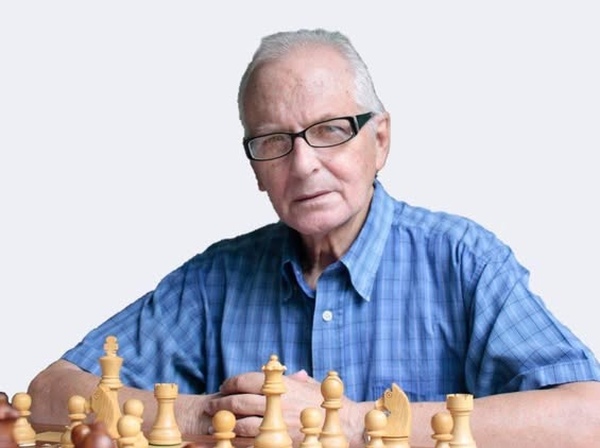
Born in 1955 in Cuba, Danilo Buela Valdespino has enjoyed a long and versatile career in chess as a player, coach, specialized journalist, media communicator (television instructor for Cuban television), author, event organizer, and administrator.
Valdespino participated in six Cuban Championship Finals (1967, 1968, 1970, 1978, 1980, and 1981) and in two Capablanca Memorial Tournaments (1980 and 1981). In 1981, he received the Brilliancy Prize for his victory against IM Alberto Campos (MEX). He was awarded the FIDE Master title in 1983.
As a coach, he accompanied WGM Vivian Ramón during the 1982 Cuban Women’s Championship, which she won in Santiago de Cuba. A FIDE Trainer since 2005, he has coached scholastic and youth teams in Miranda, Venezuela (2007–2009) and Sonora, Mexico (2010–2012), and currently serves as head coach of the Soñando a Capablanca Project at the ISLA Chess Studies Center. Among his students is Alberto García Tabasco, winner of the children’s category at the International Carlos Torre Repetto in Memoriam Tournament in Mérida, Mexico, in both 2024 and 2025.
A prominent chess communicator and promoter, Valdespino has coordinated and taught chess courses on Cuban television for over twenty years (2003–2025). He has contributed to several radio programs broadcasting daily chess news worldwide, including Deportivamente on Radio Rebelde (2002–2025), and is a member of the National Union of Cuban Historians.
Valdespino served as Assistant Arbiter at the 1966 Chess Olympiad held in his hometown of Havana. He later held key administrative roles, including Vice President of the Cuban Chess Federation (1996–2000). He headed the Cuban delegation at the 2000 World Chess Olympiad in Istanbul and participated in the 71st FIDE Congress. From 2006 to 2010, he was a member of the FIDE Events Committee.
As an organizer, he is best known for directing the 2002 Giant Simultaneous Exhibition in Havana (11,320 boards), which set a Guinness World Record. He served as Technical Director of the 1998 Capablanca Memorial and General Director of the 1999 and 2000 editions.
Valdespino currently serves on the faculty of coaches and instructors at the FIDE Academy – ISLA Studies Center, recently approved by FIDE and currently the only institution of its kind in Latin America.
Valeria Dotan (ISR)
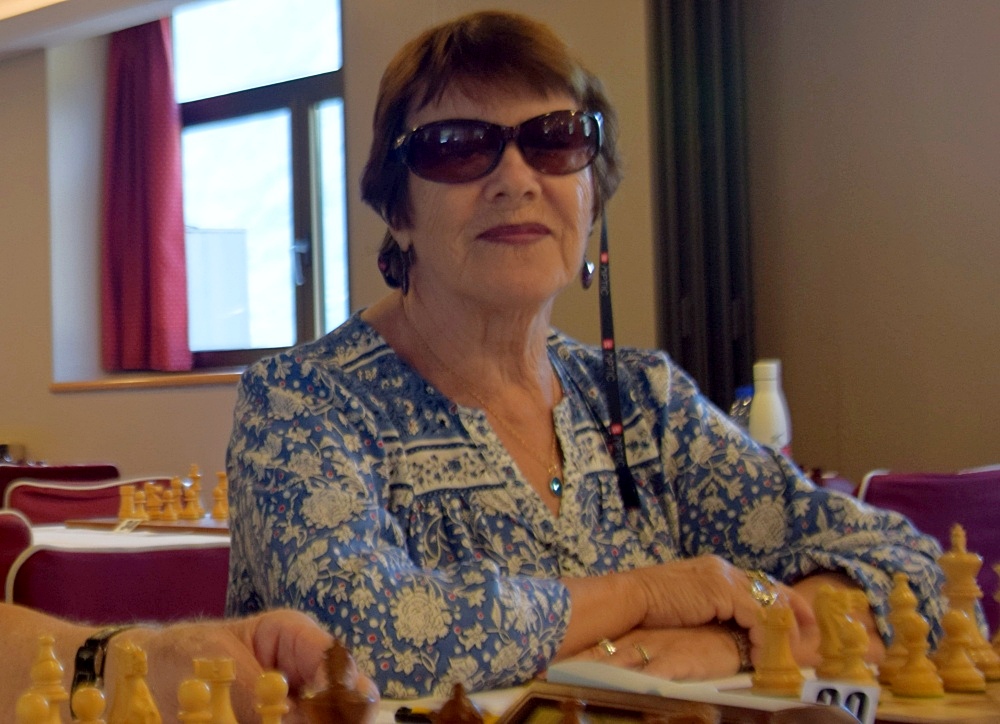
Born in 1941 in Kuybyshev (now Samara), Valeria Dotan (née Krasavina) learned the rules of chess from her father. At age eight, she began attending the chess club at her local Pioneers Palace. According to Valeria, she played countless games and progressed rapidly, largely bypassing formal study of chess theory. It was only after facing GM Lev Polugaevsky in a simultaneous exhibition – by then aged eighteen – that she recognized the necessity of dedicated, systematic work on her chess.
Following several years of intense team competition across the USSR, she settled in Moscow and participated in twelve editions of the city’s Women’s Championship. Dotan competed in numerous USSR Women’s Championship semifinals but never qualified for the final.
After emigrating to Israel in 1990, she competed regularly in the Israeli Women’s Championship, achieving her best result with a sixth-place finish in 1994.
Ironically, her greatest competitive successes came in senior events. Dotan won the European Women’s Senior Championship (50+) twice – in St. Vincent (2001) and Davos (2006) – and finished second in the 2002 edition.
Ludmia Aslanian (UKR)
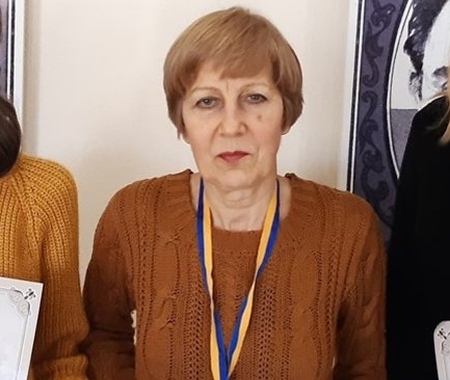
Ludmila Aslanian (née Kulikova) is a chess player and coach with decades of experience in competitive chess and chess education. Over the years, she has made significant contributions to chess development as a trainer, mentor, and educator for both children and adults, actively promoting chess as an intellectual sport.
Born in 1954 in Petrozavodsk, USSR, Ludmila began studying chess at age twelve at the Pioneers Palace in Kryvyi Rih, where her family had relocated. Her talent emerged during her student years at Dnipropetrovsk State University, where she won numerous individual and team competitions across Ukraine. After graduation, she served as a chess coach at her alma mater.
In 1981, she married and moved to Yerevan, Armenia, where she became one of the country’s leading players. Aslanian won the Armenian Women’s Championship five times and represented Armenia at three Chess Olympiads (1992–1996). She also competed in four USSR Women’s Championships, achieving her best result with a tie for seventh place in Almaty (1988).
Throughout her long chess career, Ludmila successfully balanced roles as both player and coach. From 1982 to 1996, she served as a chess instructor at Armenia’s Central House of Chess in Yerevan, working with junior and youth players and training national teams.
In 1997, she returned to Ukraine and continued both careers in Kryvyi Rih. Notably, Aslanian finished third in the 2003 Ukrainian Women’s Championship. From 2002 to 2011, she also served as editor of the chess section in the Chervonyi Hirnyk newspaper.
Lkhagva Jambaldoo (MGL)
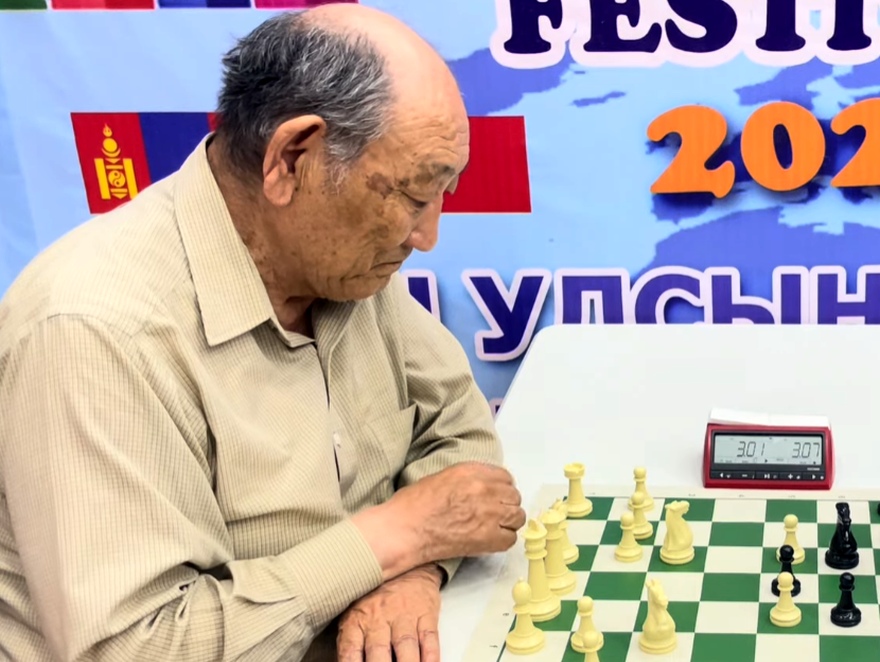
Jambaldoo Lkhagva is a distinguished Mongolian chess organizer, arbiter, and former player who has devoted several decades to advancing chess at both national and international levels.
He served as Secretary General of the Mongolian Chess Federation for nearly twenty years, beginning in 1978. During this period, under FIDE’s auspices, he ensured Mongolia’s consistent participation in international tournaments, Chess Olympiads, and zonal competitions. Mongolia has competed in nearly thirty Chess Olympiads, with Lkhagva himself participating on seven occasions – as both a player and team coach – and playing a key role in organizing Mongolian players’ regular involvement in Asian zonal championships.
From 1983 to 1990, he organized annual international tournaments in Mongolia, inviting highly rated players from the USSR, China, Hungary, Poland, Czechoslovakia, Romania, and Bulgaria. These events marked a historic step in the development of elite chess in Mongolia. Beginning in 1996, Lkhagva initiated and implemented the Grandmaster Development Project, which directly led to Mongolia producing its first two Grandmasters in 2000. Today, the country boasts fourteen male and female Grandmasters – a lasting legacy of his visionary initiative.
In addition to his organizational work, Lkhagva has served as Chief Arbiter and Chief Secretary at numerous national championships and major tournaments across Mongolia. He has also held chief and deputy chief arbiting roles at international events hosted in Mongolia, including:
- International Women’s Tournament (1968)
- Tsagaan Sar International Tournaments (1996, 1999)
- Women’s Grand Prix (2010)
- World Youth Team Championship U16 (2015)
- Mongolian Ethnic Chess Festival (2016)
- Asian Youth Chess Championship (2016)
- East Asian Youth Chess Championship (2017)
- Asian Junior Chess Championship (2018)
- Asian Schools Chess Championships (2025)
Lkhagva was awarded the FIDE Master title in 1988 and the International Arbiter title in 1990. He also served as FIDE Delegate in 1992 and was a member of a FIDE Commission in the early 1990s.
Zdeněk Závodný (CZE)
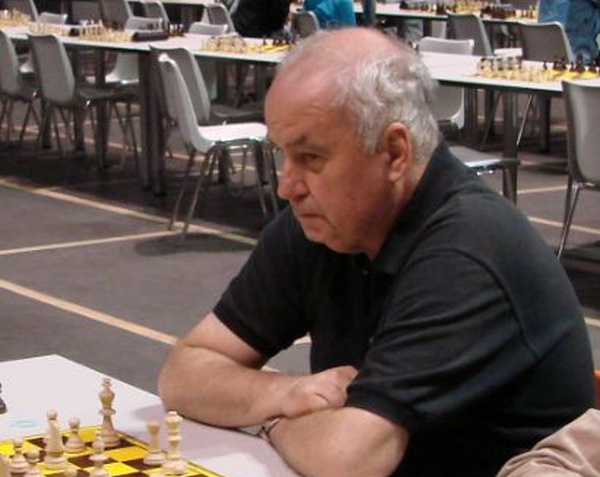
Zdeněk Závodný (born 21 June 1947) is a Czech chess player, composer, historian, journalist, coach, and author of numerous chess books, brochures, and instructional manuals.
Beyond his activities in over-the-board chess, correspondence chess, and chess composition, Závodný served for many years as chairman and driving force of the ŠK Univerzita Brno chess club. He is also a prominent author and publisher; through his own publishing house, SNZZ (active 1991–2004), he released 129 titles, more than 70 of which he wrote or co-authored. For the PLISKA publishing house in Frýdek-Místek, he authored Symmetrical Pawn Formations in the Centre (1991) and Central Positions with a Pawn Wedge on e5 (1994).
Between 1982 and 1990, he published eight volumes of the mimeographed Methodical Bulletin of UNI BRNO, followed by the magazine Šachový metodický bulletin (1990–1994). His articles have appeared in numerous periodicals, including Šachinfo, Šachprofil (Slovakia), Garde, Československý šachový bulletin, and Československý šach. In 2008, he collaborated with Jan Kalendovský to produce a definitive tournament book on the historic 1908 Prague international chess tournament.
Competitively, he holds the Candidate Master title in over-the-board chess and First Category in both correspondence chess and chess composition. His national achievements include a bronze medal in the Czech Team Correspondence Chess Championship. In 2005, during gala celebrations marking the 100th anniversary of organized chess in the Czech lands, he was honored with an award for his lifelong service to Czech chess.