

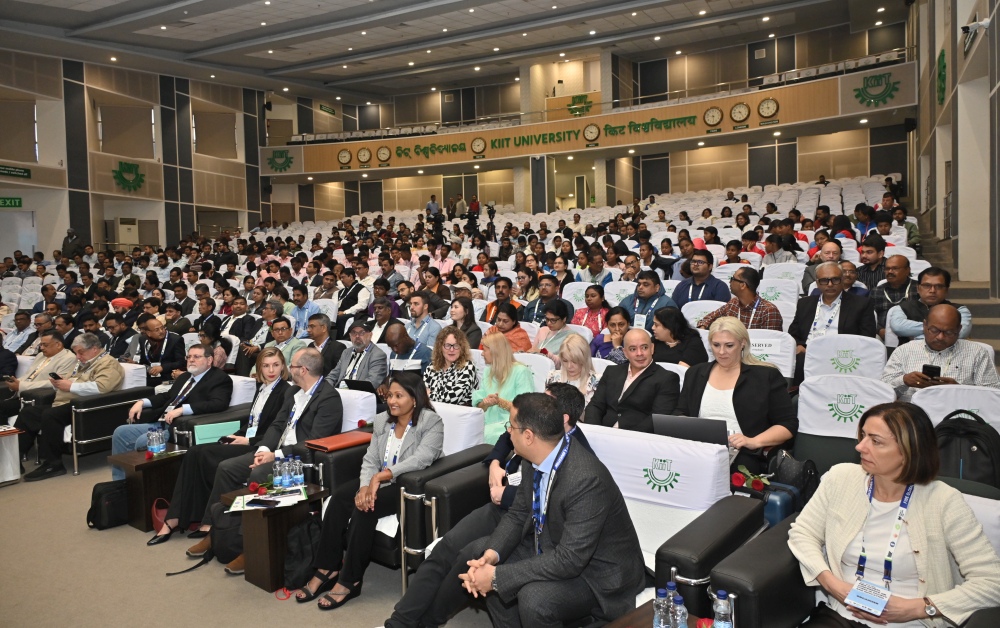
She also highlighted the FIDE and UNHCR collaboration that began in 2021 with a pilot “Chess for Protection” project in Kakuma, Kenya, and has since expanded to additional locations.
Russell Makofsky, Founding Board Member of The Gift of Chess, spoke online about a practical, distribution-led approach to access, tracing the organisation’s origins to community initiatives during the Covid-19 pandemic and outlining its goal of distributing one million chess sets globally by 2030. “We saw how something as simple as a chess set could open doors,” Makofsky said. “When communities have access, opportunities begin to grow.”
The session also included contributions from Rodrigo Barbeiton, who shared experiences from Club Magic Extremadura in Spain and the role clubs can play in long-term engagement.
FIDE Social Chess programme updates
After the networking break, the conference shifted into project-level updates from the FIDE Social Chess portfolio.
Anastasia Sorokina (online) presented Chess for Protection, focusing on expanding safe, structured chess activities in refugee settings, particularly for girls and schools.
Mikhail Korenman presented updates on Chess for Freedom, outlining developments in prison chess and upcoming continental and intercontinental competitions.
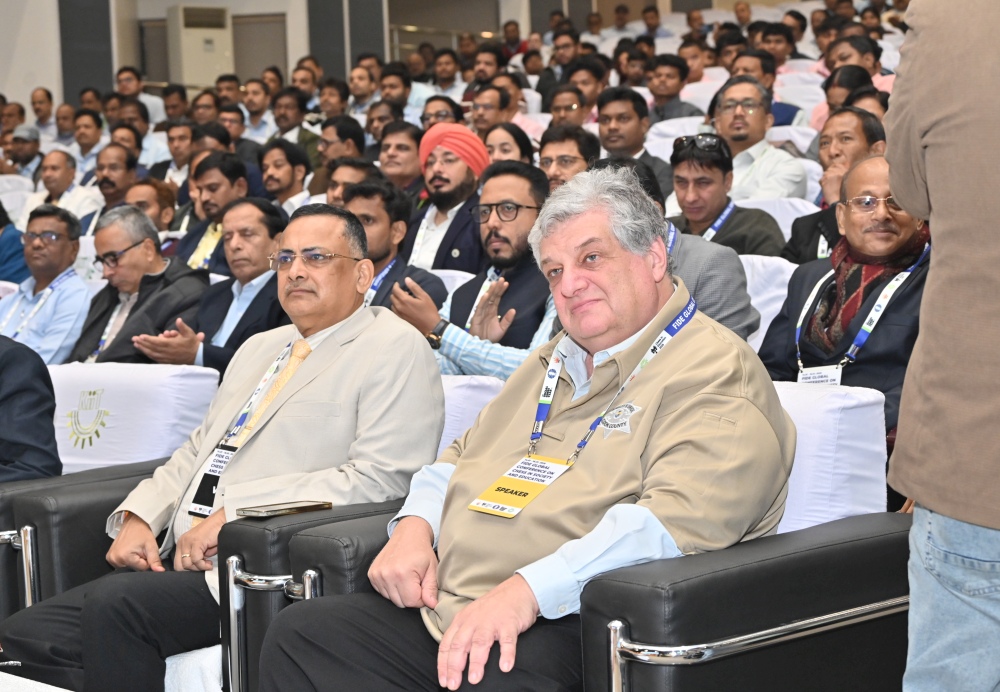
Prabitha Urwyler presented Chess for Hope and Recovery, describing chess as a tool that provides structure, routine, and reflection in rehabilitation contexts. April Yunwei Zhong, via recorded video, highlighted how Chess for the Elderly supports both cognitive activity and social connection. Maryia Tamkovic presented Infinite Chess, focusing on adaptive learning models designed to meet players where they are.
Social chess in India
The afternoon returned to regional practice with a focus on India. In a standout contribution, Neelaya, Secretary of the Andaman and Nicobar Chess Association, presented initiatives shaped by geographic isolation and limited recreational infrastructure. He described projects spanning schools, orphanages, prisons, beach clean-ups linked to “Checkmate to Plastic”, culturally sensitive outreach to Indigenous communities, and onboard chess championships during long inter-island ship journeys.
“The story of chess in Andaman and Nicobar islands is ultimately a story of belief in people, in potential, and in the power of thoughtful engagement.” he said, “Each move played on the chess board represents a larger life decision to think before acting, respect others, and to persevere despite setbacks” ending with, “Sometimes the strongest waves of change begin with a single move.”
IndianOil and “Prison to Pride”
Mukesh Ranjan Das, Executive Director (HR) at IndianOil, joined the India segment alongside chess representatives to discuss IndianOil’s support for prison chess programmes. He described chess as an effective tool for building discipline, patience, and decision-making skills among inmates. The session continued with a presentation by Abhijit Kunte, who outlined IndianOil’s long-running support for chess-based rehabilitation programmes, particularly within correctional institutions.
WGM Padmini Rout added a personal perspective from teaching inside prisons, describing how her initial surprise gave way to appreciation for the enthusiasm she encountered. She introduced a framework she calls “ATM”, focused on analysing options, taking decisions, and understanding consequences, and noted that “blunders in chess are like blunders in life,” emphasising the importance of learning to pause and make better choices.
Bridging research and practice: addiction, ADHD, and gender equality
The final academic block connected research with practical application. Sabine Vollstädt-Klein spoke about chess and self-regulation in addiction-related contexts. Hilario Blasco Fontecilla addressed the socio-educational use of chess in relation to ADHD. Joining online, David Smerdon presented work on the Gender Equality in Chess Index, highlighting the role of data in understanding participation and equity.
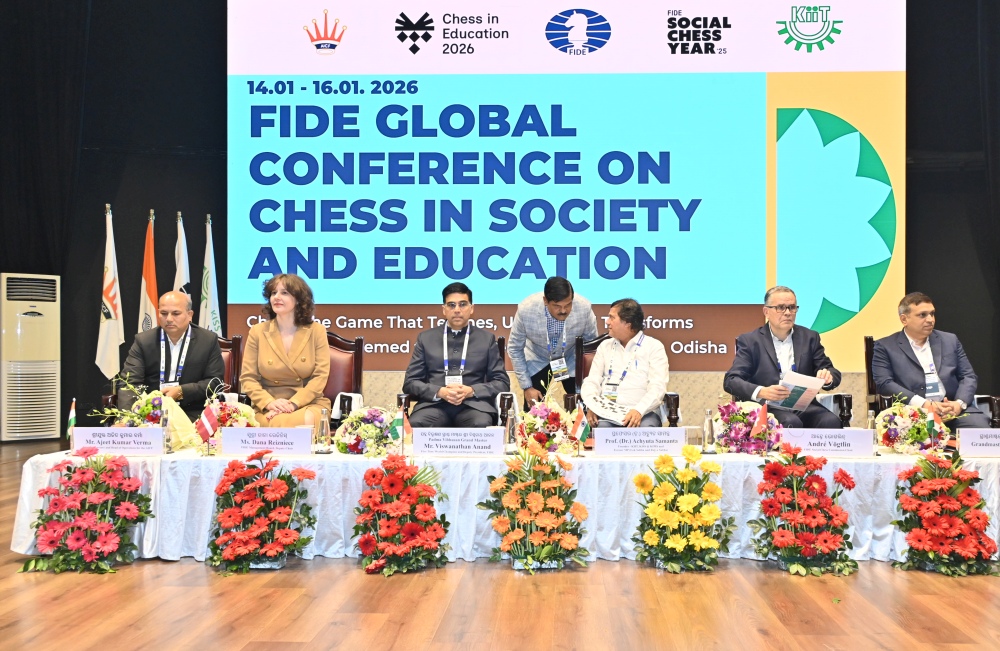
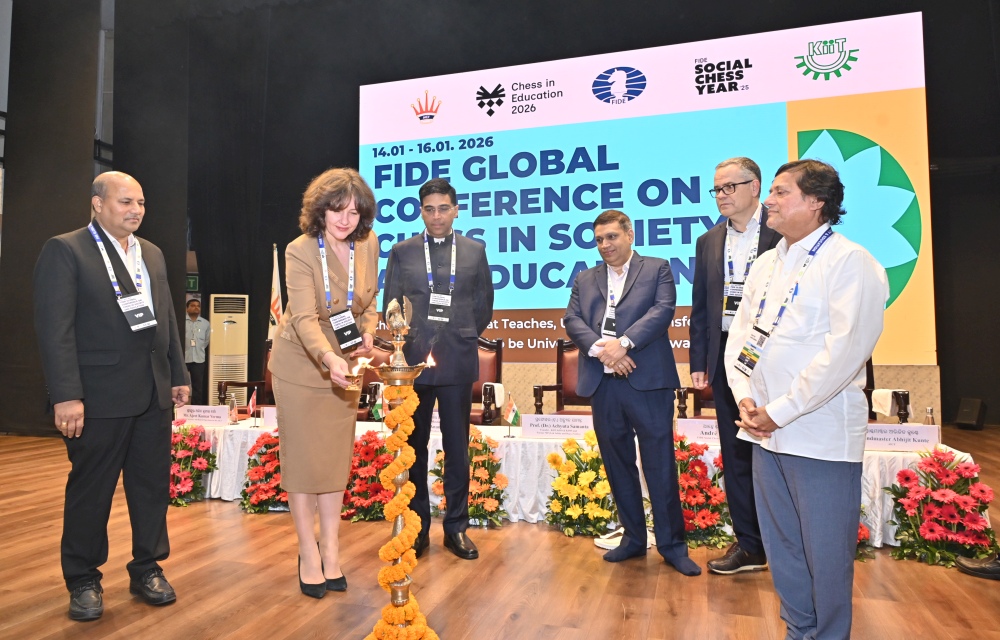
The day concluded with the official inauguration attended by the officials of the day as well as FIDE President Arkady Dvorkovich, followed by hall meetings, a project expo, and an evening programme featuring storytelling and film elements connected to the Social Chess Storytelling Challenge, community recognition through Social Awards, and networking at the gala dinner.
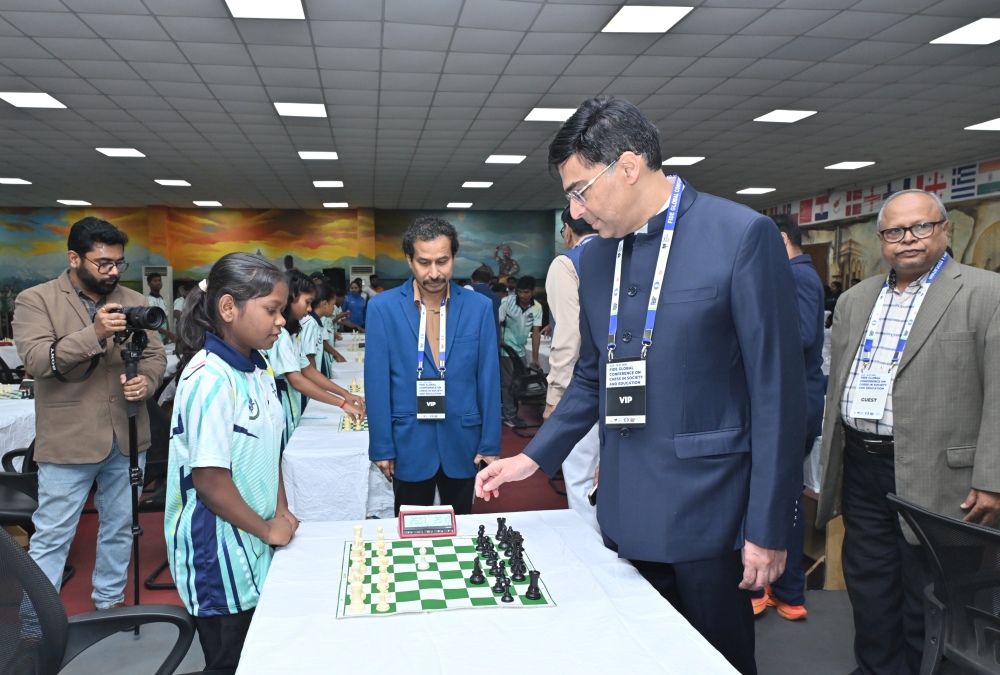
Alongside the main conference programme, a series of parallel activities took place throughout the day, highlighting the practical and educational dimensions of chess in learning environments. These included social and educational exhibitions running throughout the day, as well as multiple hands-on masterclasses led by members of the FIDE Educational Commission. Sessions covered topics such as problem-solving for gifted and talented students, pathways from classroom chess to club structures, chess and critical thinking, and the use of digital tools such as LogicBoard for classroom teaching.
The second day of the conference will shift its focus toward chess in education, with sessions dedicated to policy frameworks, research outcomes, and practical implementation in schools and learning environments. Day 2 will feature contributions from education experts, federations, and institutional partners, exploring how chess can be integrated into curricula, teacher training, and educational systems, as well as how impact can be assessed and scaled across regions.