

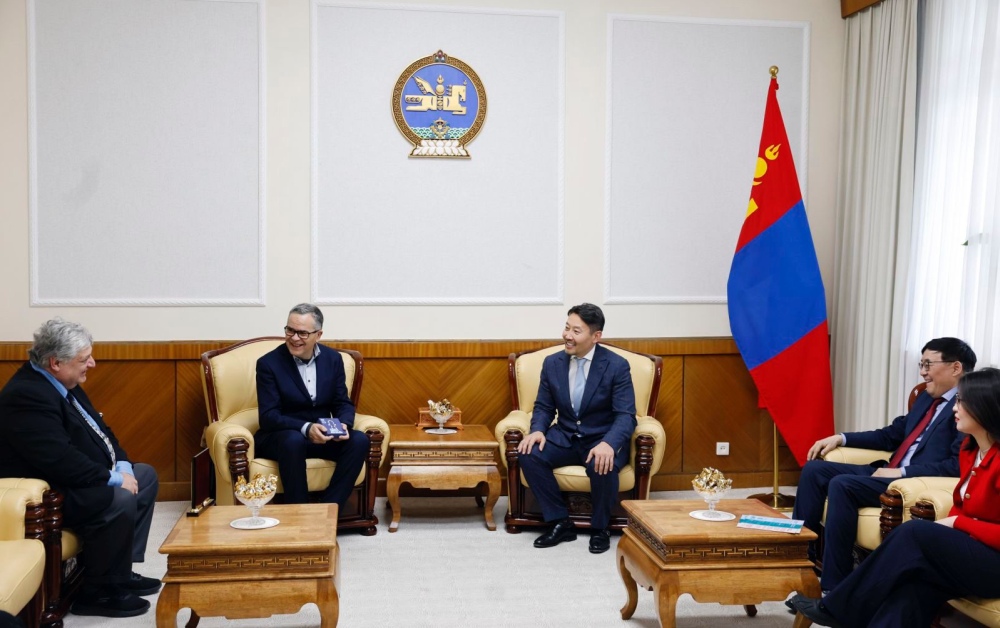
Ulaanbaatar, Mongolia – Representatives of the International Chess Federation (FIDE) visited Mongolia to become acquainted with the country’s social and educational chess initiatives and to further strengthen international cooperation in socially oriented chess programs.
The delegation included André Vögtlin, Chairman of the FIDE Social Commission and President of the Swiss Chess Federation, and Dr. Mikhail Korenman, Counselor to the FIDE Social Commission and founder and coordinator of the Chess for Freedom program.
During the visit, the delegation was honored to be received by the Deputy Prime Minister of Mongolia, Khassuuri Gankhuyag, who was presented with the Social Chess Year Award in recognition of Mongolia’s outstanding achievements and long-term contributions to social chess programs and community development initiatives.
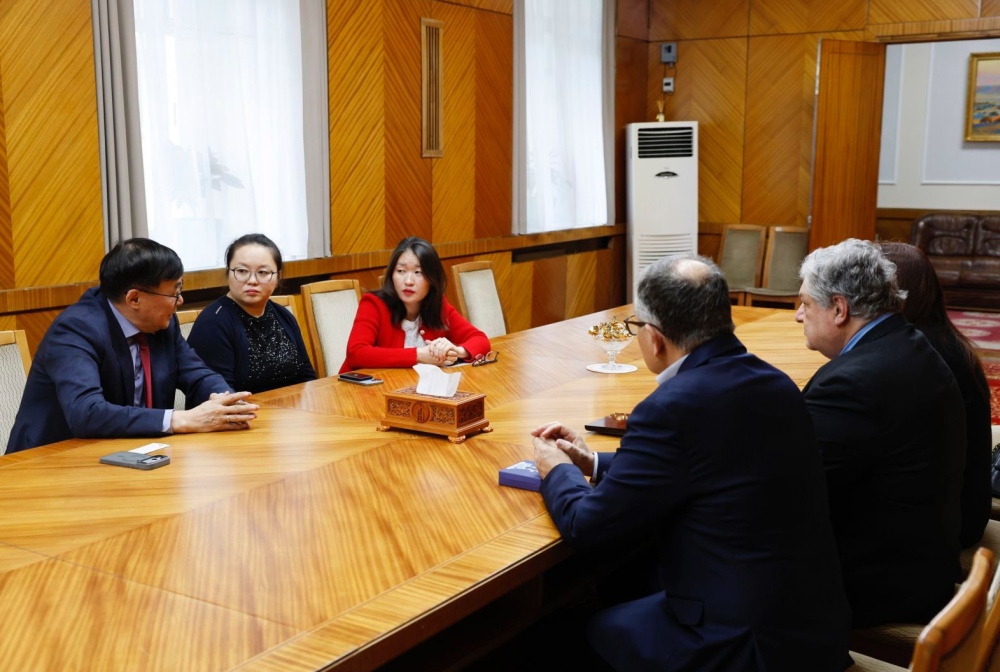
The FIDE representatives also held an official meeting with the Chess Federation of Mongolia at the State Parliament building, together with its Deputy President, Galbadrakh Janchiv, Member of Parliament. During the meeting, the Mongolian side shared information about the country’s social and educational chess achievements, as well as its organizational structure and long-term development strategies.
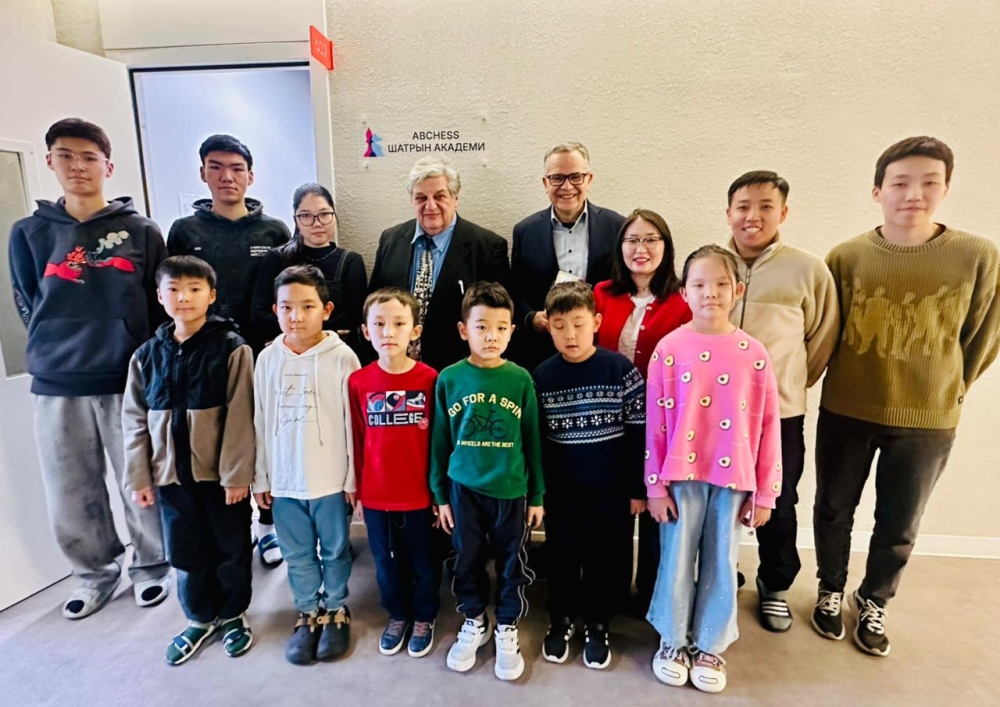
Two leading chess academies – ABChess Academy and Steinitz Academy – presented their training programs, development policies for junior and youth players, and socially oriented chess projects. The parties exchanged views on international best practices and discussed potential opportunities for future cooperation.
André Vögtlin and Dr. Mikhail Korenman also visited the Women’s Federal Correctional Facility, whose team has participated in all Chess for Freedom championships and has won the competition three consecutive times. The delegation met with Colonel Batbayar Bumdari, Head of Prison No. 407.
In recognition of their contributions to the Chess for Freedom program and their support of socially impactful chess initiatives, representatives of the correctional facility were also presented with the Social Chess Year Award.
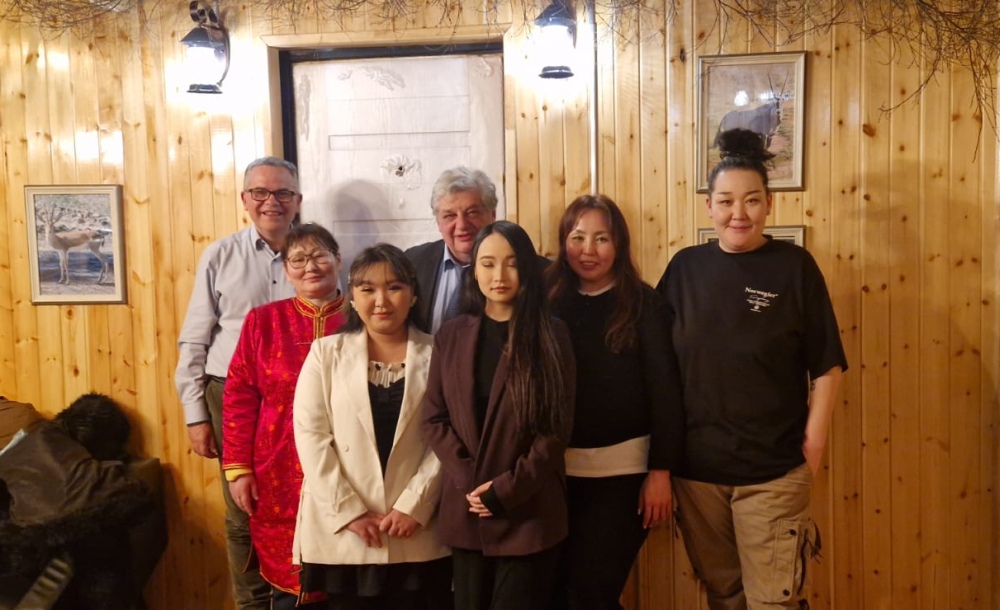
A particularly inspiring meeting took place with former members of the Mongolian women’s prison chess team. They shared their personal stories and experiences before, during, and after their participation in the Chess for Freedom program. Their testimonies demonstrated that chess is not only a game, but a powerful rehabilitative tool that fosters confidence, discipline, emotional resilience, and hope.
This visit marked an important milestone in strengthening Mongolia’s international cooperation, promoting the exchange of best practices with global chess organizations, and laying a strong foundation for future collaborative initiatives in the field of social and educational chess.