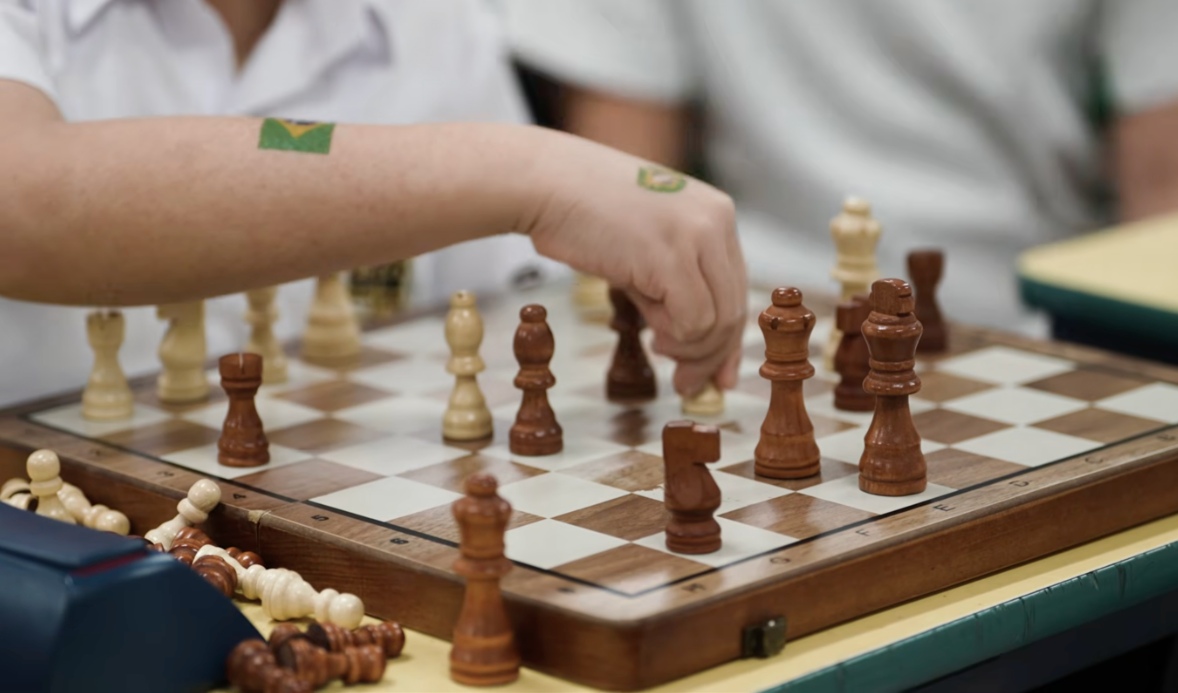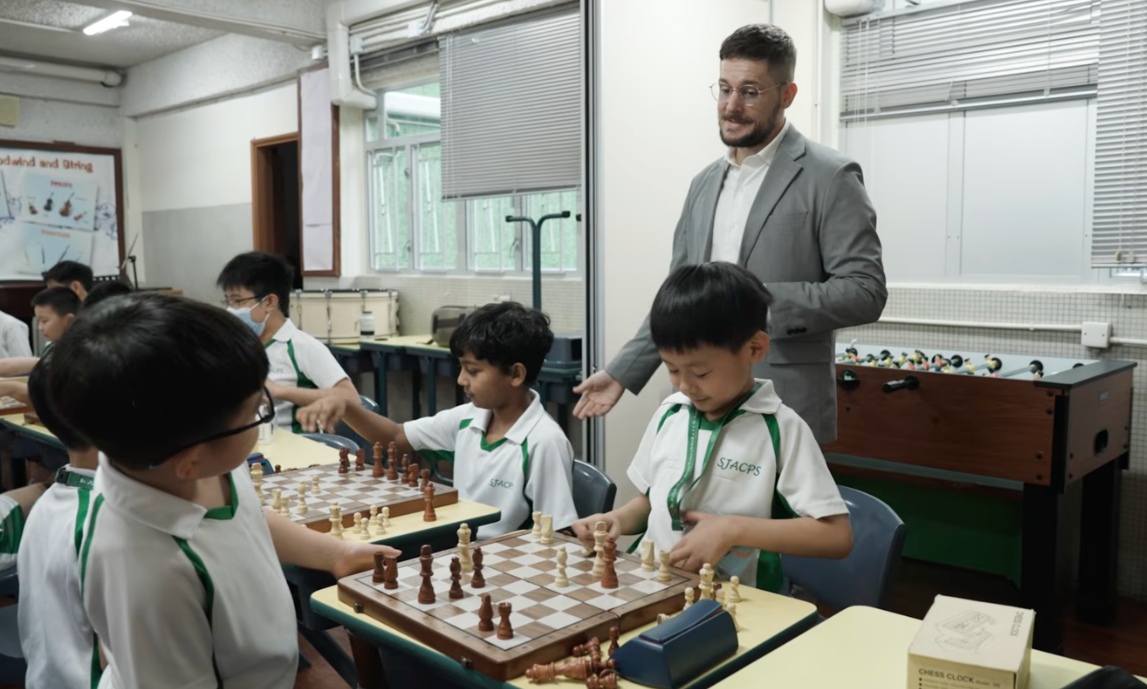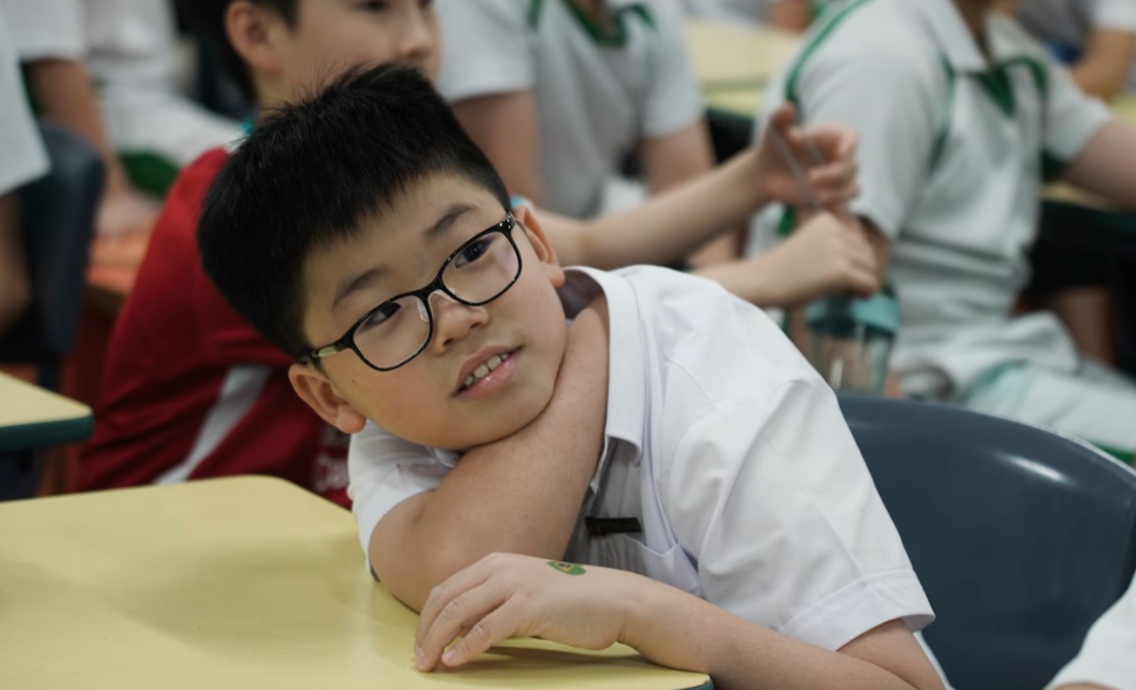
As FIDE celebrates 2026 as the Year of Chess in Education, inspiring initiatives around the world continue to demonstrate the impact of chess beyond competition. During the FIDE World Rapid & Blitz Team Championships in Hong Kong, the FIDE media team had the opportunity to visit St. Joseph’s Anglo-Chinese Primary School, where chess has become an integral part of school life, helping students develop not only their playing strength but also confidence, critical thinking and social skills.
What began as a classroom experiment has grown into one of Hong Kong’s most active school chess programmes, with students already representing their school on the international stage.
Learning from the World’s Best
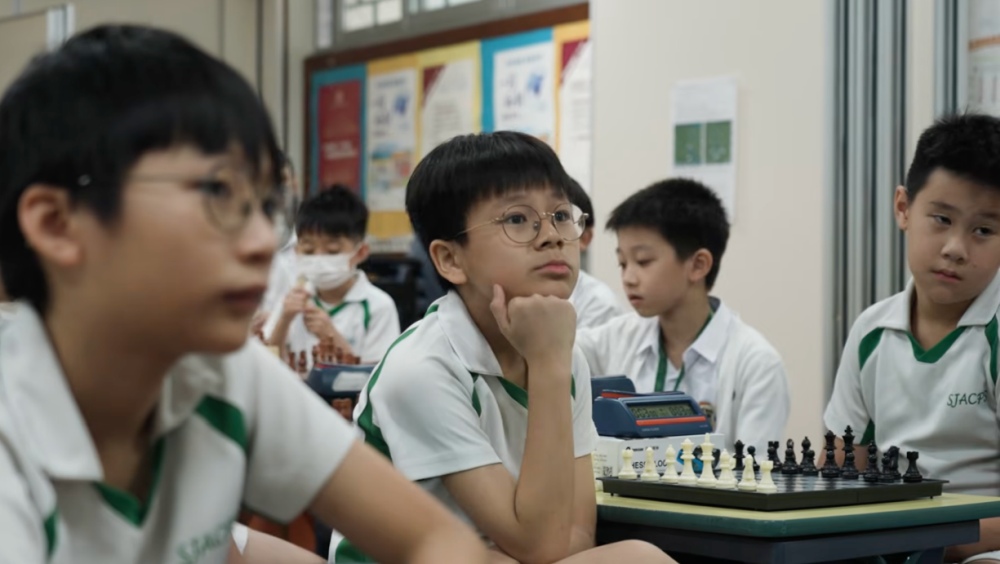
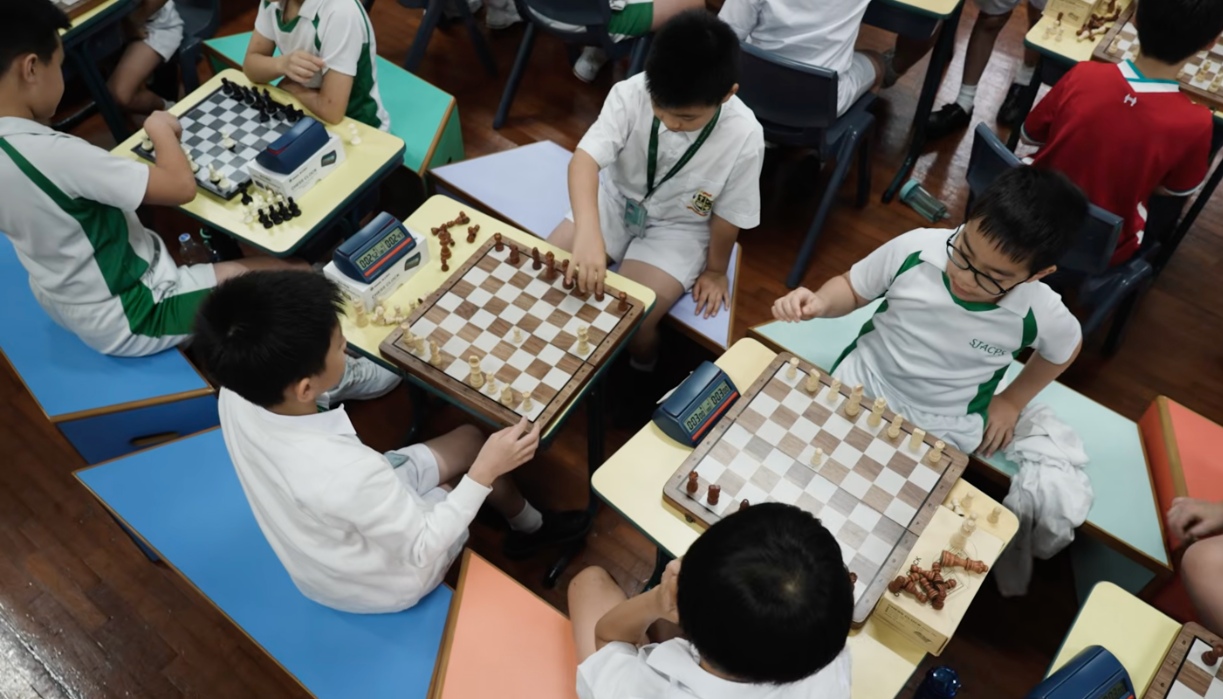
Twenty-five students gathered for a special lesson based on a recent endgame from the UzChess Cup between Ian Nepomniachtchi and Hans Niemann, played in Round 8. The position was carefully selected because it demonstrated one of chess’s most important strategic concepts: the power of connected passed pawns.
Ian Nepomniachtchi – Hans Niemann
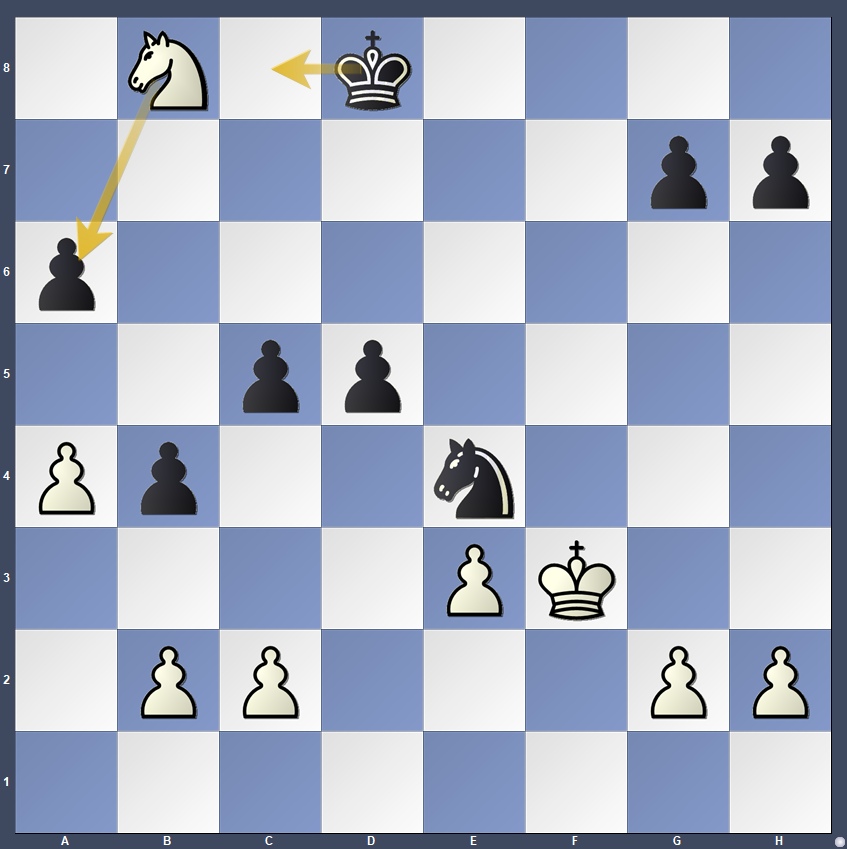
After 30.Nxa6!, Ian Nepomniachtchi sacrificed a knight, allowing 30…Kc8, trapping it. His deep preparation had already steered the game into a winning endgame, where connected passed pawns proved stronger than the material deficit.
Rather than simply analysing the position, the students were invited to play it themselves.
Before the games began, each student chose whether to play White or Black and explained their decision. Some preferred Black because of the material advantage: “Black, because Black has an extra knight.” Others were curious to figure out how White could possibly win: “White, because White won the game.”
One student’s answer particularly captured the educational spirit of the lesson: “White, because I want to challenge myself and find out what I would do in this position.”
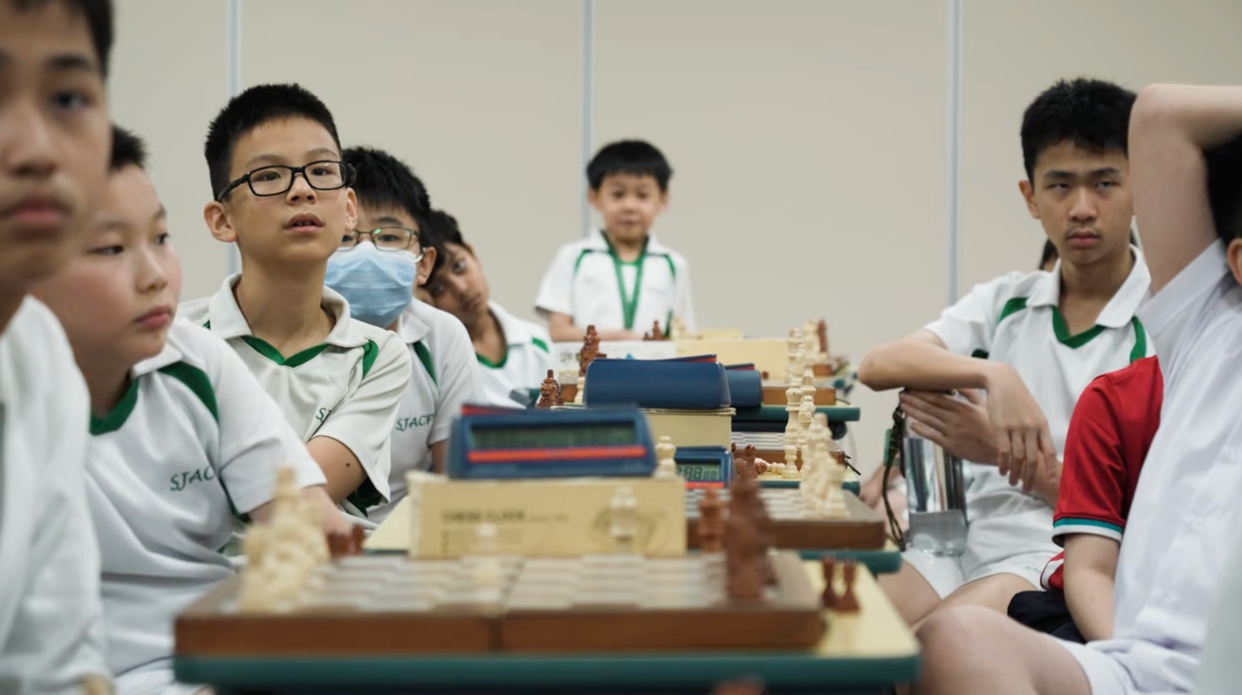
The practical exercise produced an interesting result. Although White started a piece down, the majority of students playing White successfully converted the position into a win, discovering firsthand just how dangerous connected passed pawns can become. Many of the games eventually reached queen versus knight endgames, giving the students valuable practical experience.
Football meets chess
With the FIFA World Cup capturing attention around the globe, the lesson concluded with a fun and creative activity: Football Chess.
Played with a standard chess set, the game uses a single pawn placed on e4 as the football and pieces placed on 1st and 8th ranks as in a standard chess game. There are no captures, checks or checkmates. Instead, whenever a piece reaches the square occupied by the pawn, the “ball” may immediately be moved to any square that piece could legally reach. The objective is to score by moving the ball onto e8 or e1.
The game quickly filled the classroom with excitement while encouraging creativity, planning and teamwork in an entirely different way.
A programme that started by accident
The school’s chess programme is led by English teacher Joseph Belk, whose original intention was simply to make language lessons more engaging: “About five years ago, during the pandemic, I introduced chess into my English classroom as a language activity,” Belk explained. “I thought, let’s use language to learn something with a rich history. Chess felt like the perfect opportunity.”
Even after those lessons ended, the students kept playing. The turning point came when one of Belk’s colleagues purchased additional chess equipment and discovered a flyer for the Hong Kong Junior Chess Championship. The school decided to field a team, and the students immediately embraced the competitive experience. “Our boys felt very encouraged by the environment,” Belk said. “Since then, we’ve become serious participants in local tournaments.”
Following the team’s encouraging results, the school continued expanding its chess programme, and today chess has become a regular part of school life alongside activities such as football, basketball and music.
Building confidence beyond the chessboard
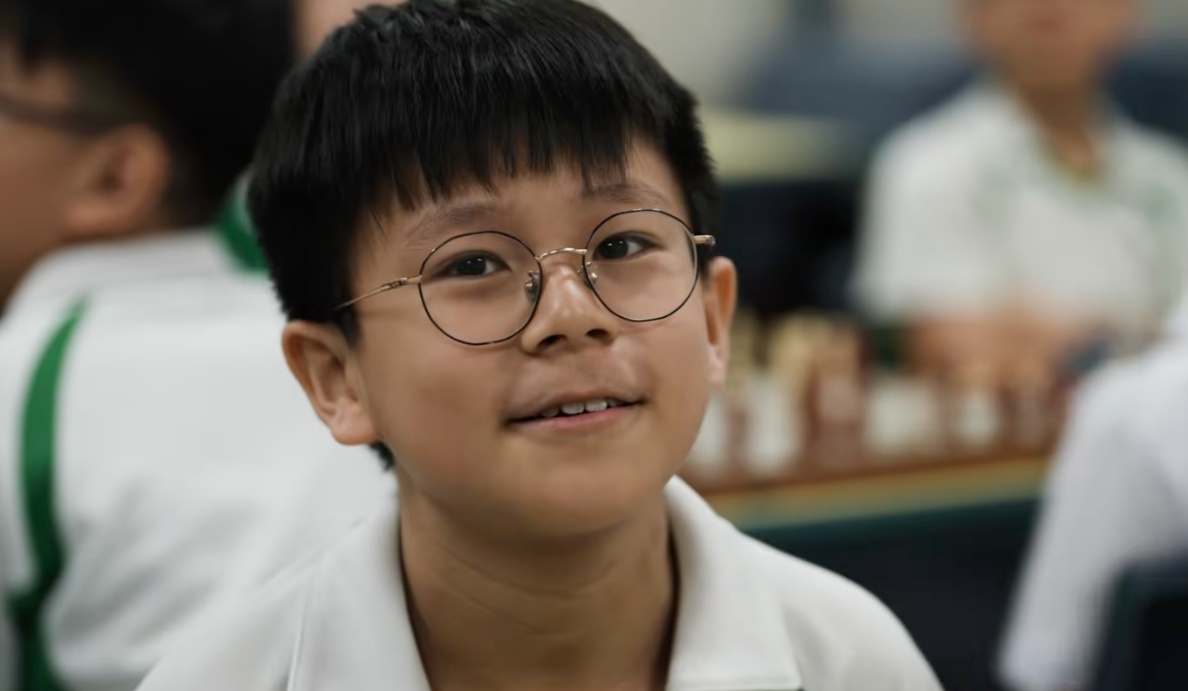
While chess naturally develops calculation and critical thinking, Belk believes its greatest impact has been on the students themselves. “I’ve heard from colleagues about improvements academically,” he said. “But for me, the biggest change has been socially – in their confidence.”
He recalled one particularly memorable student. “I remember one boy being incredibly quiet. Whenever I asked him a question, he would simply say, ‘I don’t know.’ But through chess he found something he was really good at. It gave him confidence, helped him make friends, and changed the way he saw himself.” For Belk, these personal transformations are every bit as meaningful as tournament victories.
Representing Hong Kong internationally
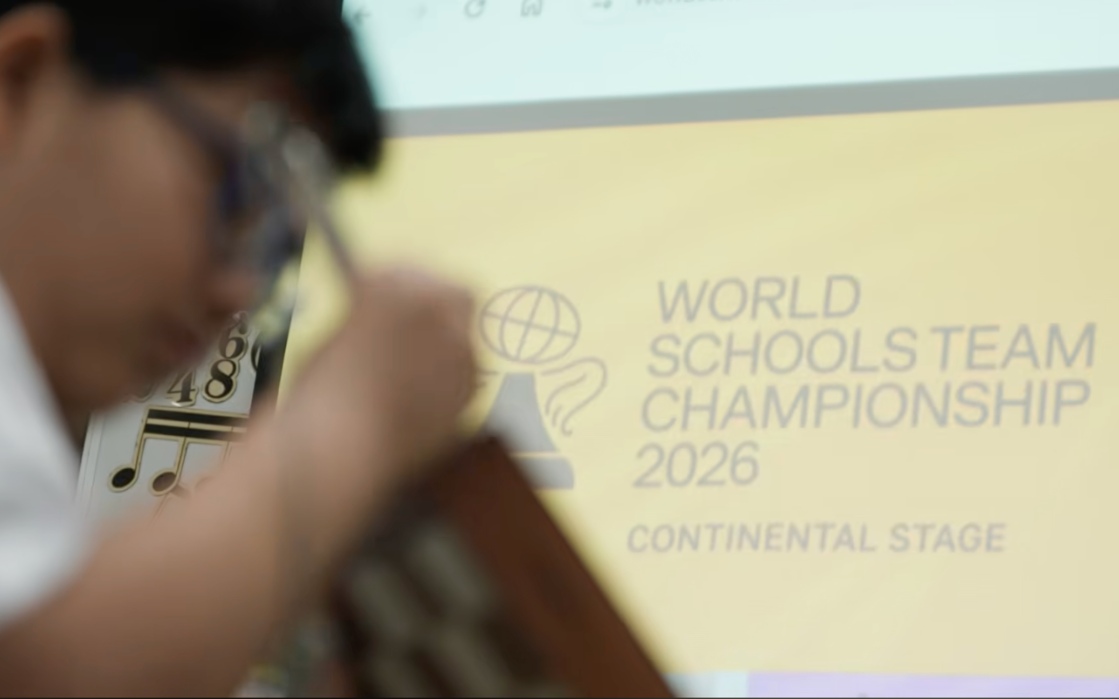
The programme’s rapid growth has already produced international opportunities. In April 2026, St. Joseph’s Anglo-Chinese Primary School represented Hong Kong at the FIDE ISCF World Schools Team Championship 2026 – Asian Continental Stage in Almaty, Kazakhstan.
Entering the tournament as the 21st seed among 26 teams, the students exceeded expectations by finishing 15th, scoring three wins, two draws and three losses.
“I was incredibly proud just to have the opportunity to take our four players there,” Belk said. “To finish well above our starting rank made it even more special.”
The school’s international journey continues. One of its younger players is currently competing in the Amateur Cup during the FIDE World Rapid & Blitz Team Championships in Hong Kong, gaining further experience against players from around the world.
A lasting memory
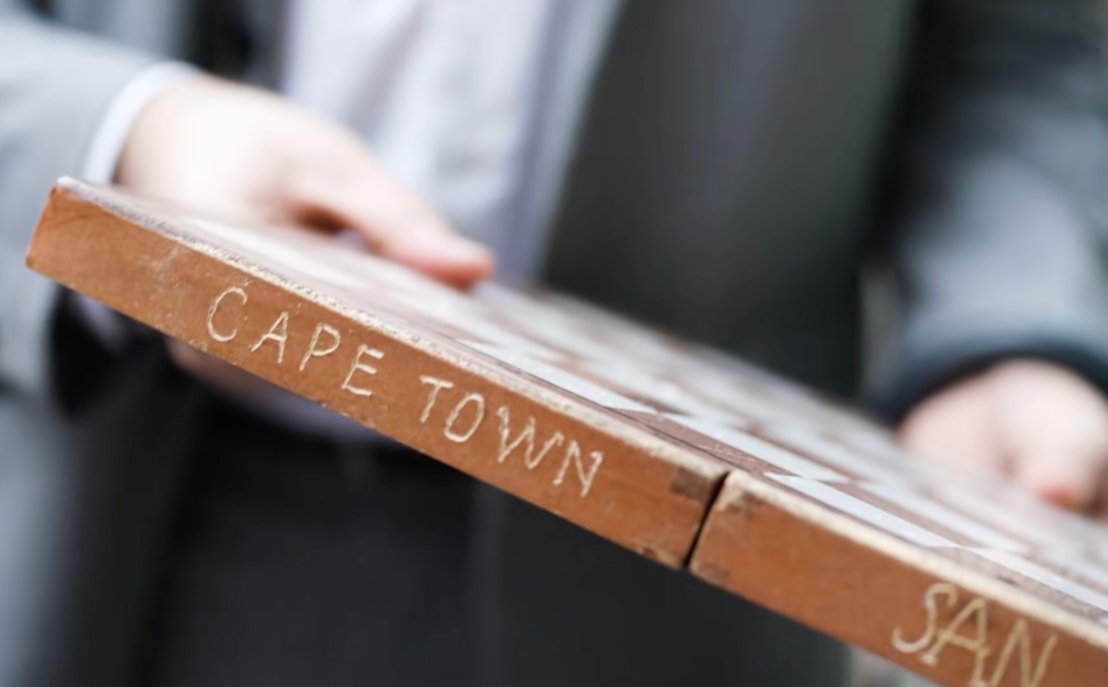
To commemorate the school’s participation in the FIDE ISCF World Schools Team Championship, one of the school’s student Art Ambassadors created a wooden engraving of a chessboard featuring the championship and celebrating the Asian Continental Stage in Almaty, while also looking ahead to the upcoming continental events in San José and Cape Town.
The artwork serves as a reminder of how far the programme has come – and the exciting opportunities still to come for its students.
Keeping chess fun
Asked what advice he would give to teachers hoping to introduce chess into their own schools, Belk’s answer was refreshingly simple.
“It’s actually very easy to make children love chess,” he said. “Let them play. Let them have fun. Keep them interested and keep the pieces moving. If you spend too much time talking, they’ll switch off.”
His philosophy perfectly reflects the atmosphere at St Joseph’s Anglo-Chinese Primary School, where learning happens through curiosity, creativity and play.
As FIDE’s Year of Chess in Education continues throughout 2026, the school stands as an inspiring example of how a simple classroom activity can grow into a thriving educational programme. From analysing world-class endgames and inventing creative chess games to representing Hong Kong on the international stage, the students of St Joseph’s Anglo-Chinese Primary School are demonstrating that chess is far more than a game – it is a powerful tool for learning, confidence and lifelong development.