How Costa Rica plans to bring chess into the classroom

Share this post:

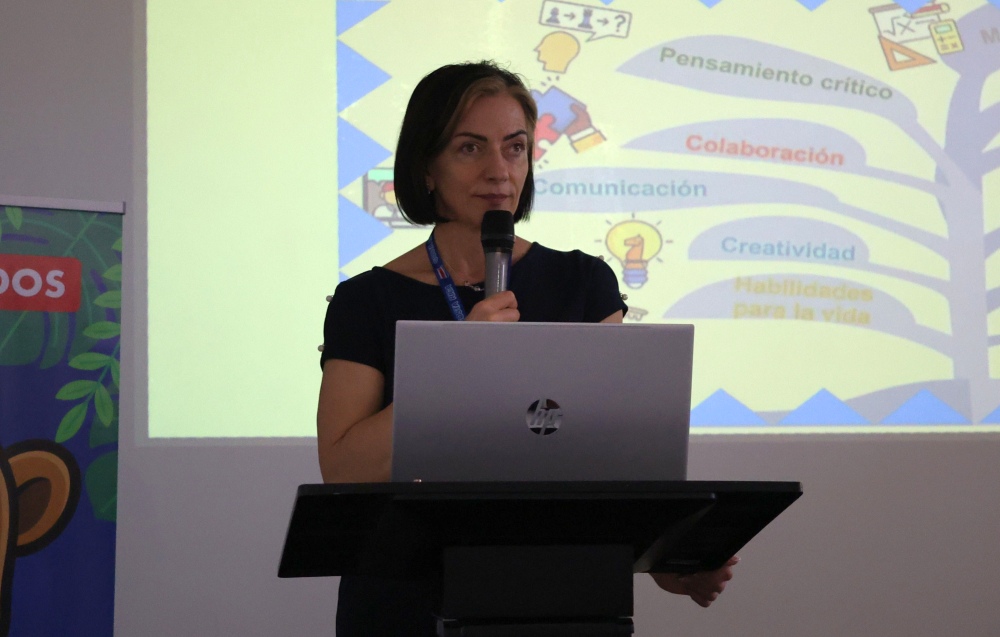
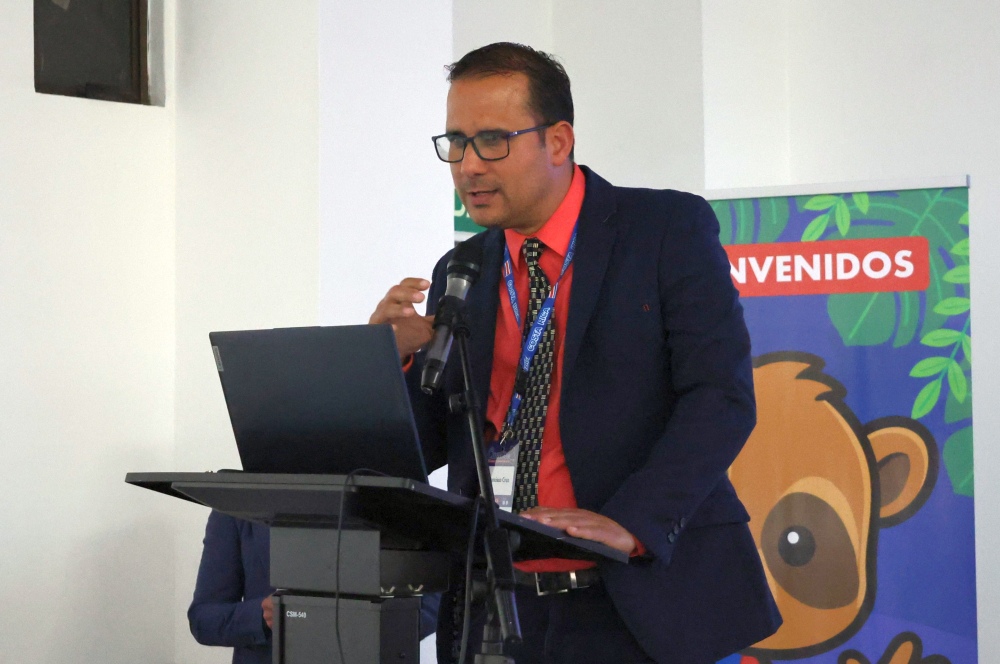
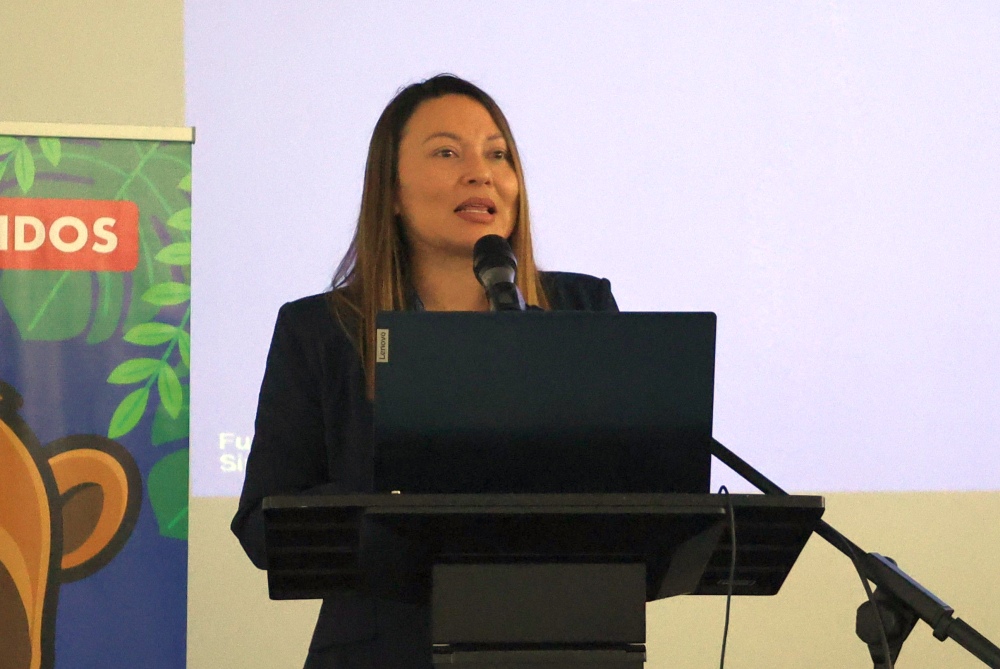
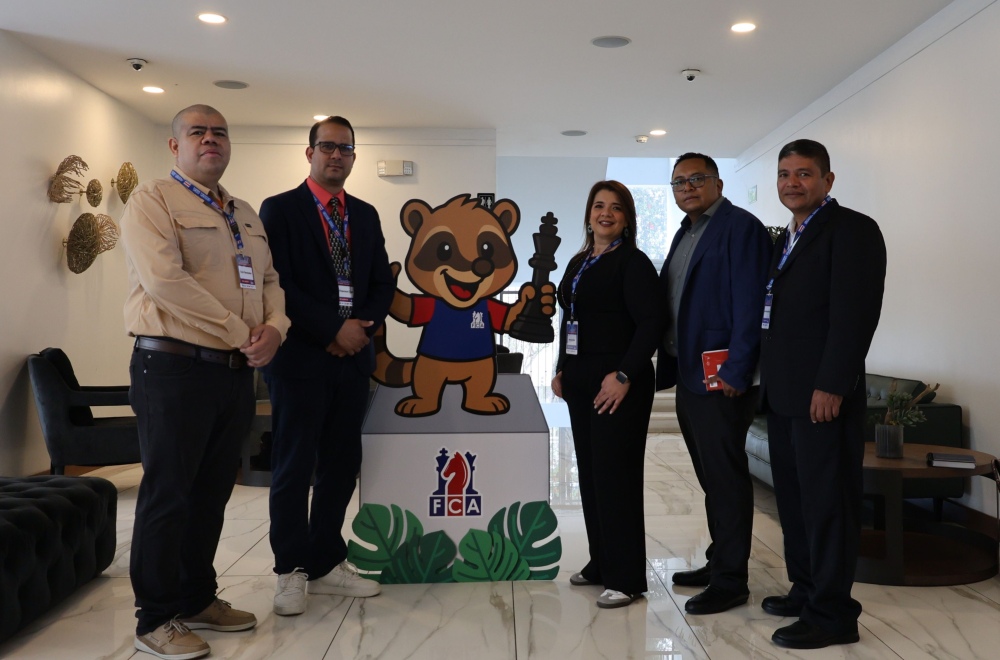
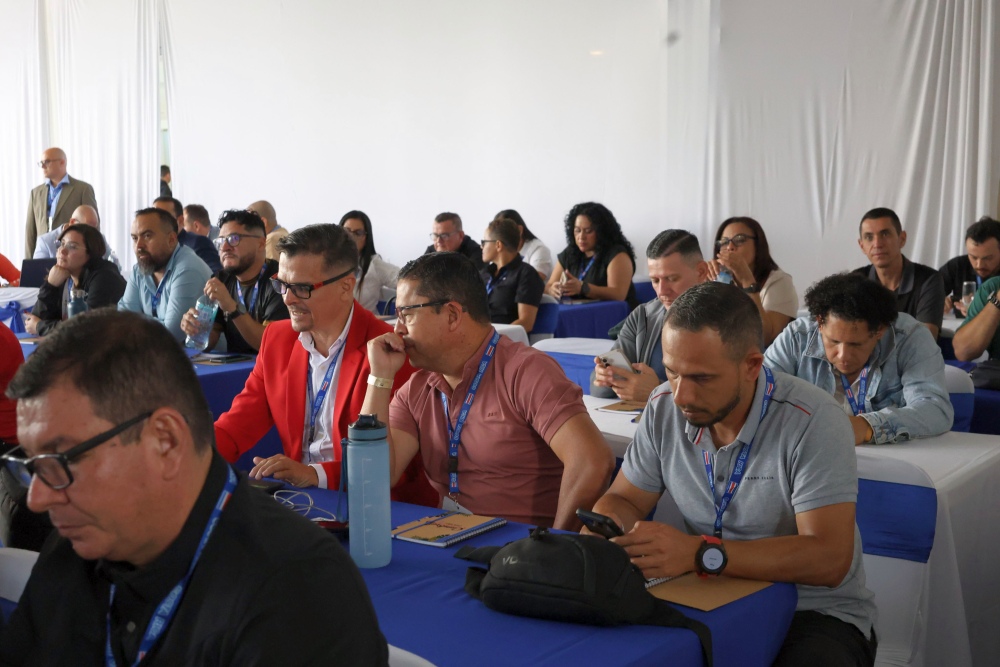
At the Chess and Education Summit in San Jose – taking place on 20 and 21 March – Costa Rican officials, educators and chess leaders set out a practical question: how can chess move from being respected as a game to being used as a classroom tool across the public school system?

The two-day event, held at the historic Costa Rica Tennis Club, forms part of FIDE’s Year of Chess in Education 2026 and brings together national authorities and regional partners around a pilot programme that is due to begin in ten Costa Rican schools as early as April 2026. Educational councilors from all 27 regions of Costa Rica attended to understand how chess can help in their local schools.

The summit is not framed as an agora to exchange ideas and plans. It is being presented as a policy meeting and a working session on implementation. Organisers say the focus is on practical models for integrating chess into school systems, with emphasis on inclusion, student well-being and ease of use for teachers. The official programme reflects that structure. Day one was built around official remarks, the formalisation of the Costa Rica pilot plan, and keynote talks on policy, curriculum, teacher training, inclusion, executive functions and emotional well-being. Day two will focus on workshops and practical training.
From public interest to public policy

Costa Rica is not starting from scratch. In 2022, the country enacted Law No. 10187, which declared the promotion of chess teaching in the Costa Rican educational system to be in the public interest. The law recognises chess both as a sport and as a pedagogical tool aimed at the integral development of students. That legal basis has since been followed by institutional work between the Ministry of Public Education, Ministry of Sports and the Costa Rican Chess Federation.

That is the background to the summit’s main institutional objective: to get chess into the classrooms and make it a part of a healthy lifestyle of every Costa Rican.

The project will start with a classroom-based pilot project in ten public schools, developed jointly by FIDE, the Confederation of Chess for the Americas, the Costa Rican Chess Federation and the Ministry of Public Education. This initiative will be a test case for how chess can be inserted into schools in a way that is structured, measurable and manageable for teachers.

A small chess country with a big ambition

Costa Rica is a relatively small chess country. According to local federation figures, it has about 1,200 active players, though many more people know the game and view it positively. That gap matters to the organisers. While not widely player, chess enjoys a high reputation in Costa Rica, especially among parents who see it as good for children.
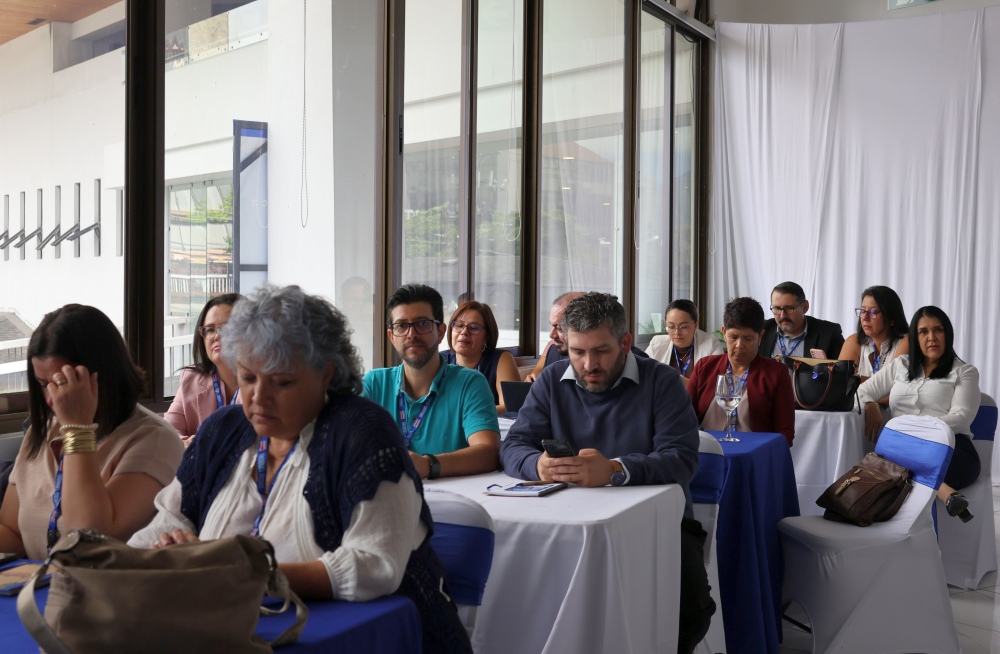
Luis Eduardo Quirós Rojas, president of the Costa Rican Chess Federation, said the purpose of the summit was to help decision-makers understand what chess can do inside the education system. In his remarks, Rojas stressed that the federation was not approaching the issue mainly as a matter of competition or elite performance. “We are promoting a sport as an educational tool. For us, that is very important,” he said.

Quirós Rojas described the summit as a way to give officials and educators practical tools and perspective that they can later apply in the classroom. As he noted, the point is not to convince people that chess is valuable in the abstract, but to help local authorities understand how it can be used and what conditions are needed for it to work.

That helps explain why the summit has drawn education officials rather than only chess administrators. The organisers want people involved in curriculum decisions and regional implementation to hear the case directly, assess what is realistic, and then help open space for the programme inside schools. The political aim is simple enough: if chess is to function as an educational tool, it must be understood and backed by the people who shape policy and school practice.

“The power in our hands”

The scale of the Costa Rican education system is one reason the pilot matters. Ministry of Public Education material refers to more than one million primary and secondary students nationwide, and recent ministry reporting points to a public system that reaches thousands of education centres across the country. For supporters of the initiative, that means even a small pilot can carry policy significance if it shows that the model is workable.

Nancy Aguirre Araya is a PE teacher from San Jose. She is currently educational councillor for the Ministry of Education and her role is to propose and advise the teachers on integrating new tools and approaches in schools.

“The key thing I hope all of the councillors will take from this meeting is the power we have in our hands to do great work in our communities using chess”, Araya says.

When it comes to challenges, Araya notes the lack of chess knowledge among teachers to effectively use the game. But this was taken into account by the specially designed programme.

Not about producing champions

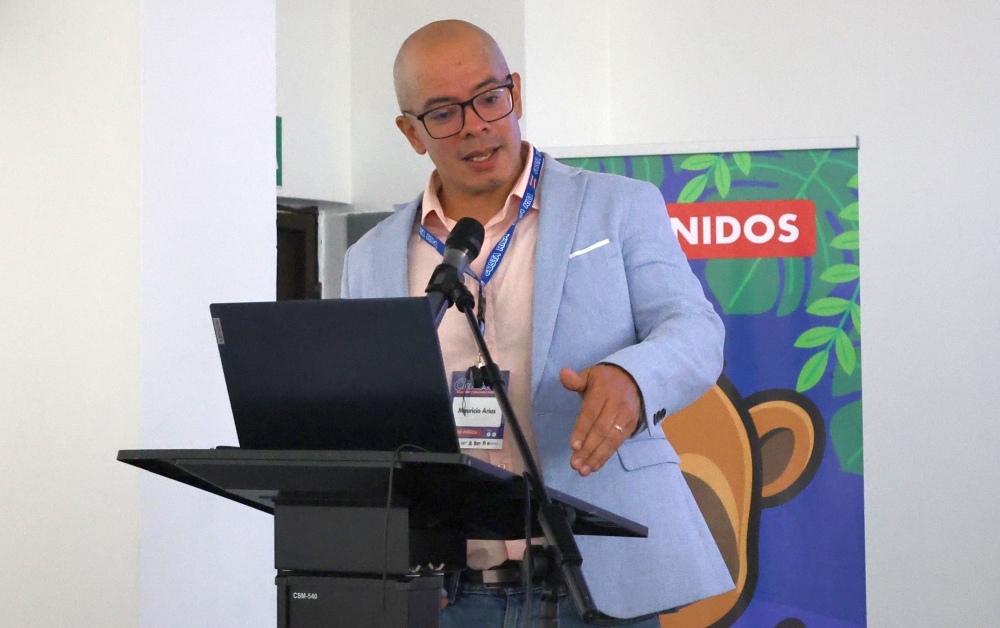
That distinction came through clearly in the remarks of Mauricio Arias, who presented the Costa Rican plan as a broad educational effort rather than a search for future champions. As he explained, the goal is to give children an opportunity and to build a wider base of talent, not to create a small professional elite.

“It is difficult to find out whether something works if you do not test it,” Arias said, explaining why Costa Rica is beginning with a pilot before considering any wider rollout.

He also made clear that the programme is meant to proceed carefully. According to his remarks, Costa Rica wants to start with a technical alliance, train 25 professionals, measure results and make sure that teachers feel comfortable using the method before moving beyond the initial phase. “It is one more step toward the country we want to build: children who are capable, educated, and prepared for life,” he said.

That language is important because it places chess inside a larger national argument about education. In this framing, chess is not being sold as a miracle solution. It is being proposed as one classroom tool among others, with possible value in helping children follow rules, make decisions, work with others and develop the habits needed for school life.

The pilot project structure

The project is a joint initiative between FIDE, the Confederation of Chess for the Americas, the Costa Rican Chess Federation and Costa Rica’s Ministry of Public Education.

Its first phase will involve ten schools and 25 classroom teachers, who will be trained through FIDE’s Preparation of Teachers course. The idea is not to recruit chess specialists, but regular teachers who want to use chess in their daily work with students. That point matters to the design of the pilot: the model is meant to show that chess can be integrated into ordinary teaching, not only taught by experienced players.

Under the plan, participating teachers will receive a linked curriculum, technical training and continued support in using digital tools, including Chess for Education and the Logic Board tool.

The pilot will also be overseen by 27 regional education directorate advisers, who are expected to monitor the process and evaluate its quality. Organisers also hope to involve the national teacher-training university so that the programme can be observed from the perspective of teacher education and, in the longer term, possibly inform a university-level minor course.

FIDE’s role will not be limited to the initial training. Rita Atkins – the Secretary of the Chess in Education Commission – said the federation is continuing to develop new teaching resources and that these will be made freely available for the course.

The broader aim is to test the model over an initial period, assess whether it is sound, and then decide whether it should remain in place, be modified, or be expanded. In that sense, the real measure of success is not simply whether the pilot runs smoothly, but whether chess is eventually incorporated into the educational curriculum after the trial phase.

The teacher multiplier

Francisco J. Cruz Arce, deputy president of the Confederation of Chess for the Americas, put the issue in practical terms. “If you teach a student chess, they will play chess. If you teach chess to 30 teachers, they will pass that knowledge on to 900 students.”

That line captures one of the main ideas behind the summit. The project depends less on producing a small number of strong players than on training adults who can carry the method into ordinary classrooms.

That same argument was made from the FIDE side by Rita Atkins, who is also a maths teacher and an International Master.

“Today, what I admire about chess most is its transformative power as a tool for education.”

She also pointed to its potential role for neurodivergent children, including some students with ADHD and autism, arguing that chess can provide structure, focus and a safer channel for interaction.

“Some children use it as a safe channel for communication. They communicate through chess, all without direct eye contact and also avoiding complex verbal cues,” she said.

Why Costa Rica matters to the chess world

Costa Rica has become an important testing ground for the link between chess and education. In an article published ahead of the summit, FIDE president Arkady Dvorkovich described Latin America as a leading region in the development of chess-in-education policy and pointed to Costa Rica as one of the places where political engagement has become more concrete. He linked the San José summit to earlier work in the region and to results presented by Costa Rican Sport Minister Donald Rojas Fernández at the Smart Moves Summit in Washington in August 2025.

That regional angle is one reason the summit includes invited ministerial delegations from other Latin American countries, including Guatemala, Venezuela and El Salvador. The organisers are not treating Costa Rica only as a national case. They are also presenting it as a possible model for how education authorities and chess institutions in the region can cooperate.

 Student life, inclusion and socialisation

The Costa Rican official case for the programme is not limited to academic skills. It also rests on claims about school climate and student development.

Jacqueline Badilla Jara, director of student life at the Ministry of Public Education, put it in simple terms: “Chess [plays] a critical role in the socialisation of young people and we intend to use it.”

That line fits closely with the broader summit language around inclusion, emotional well-being and school life.

A public-facing summit

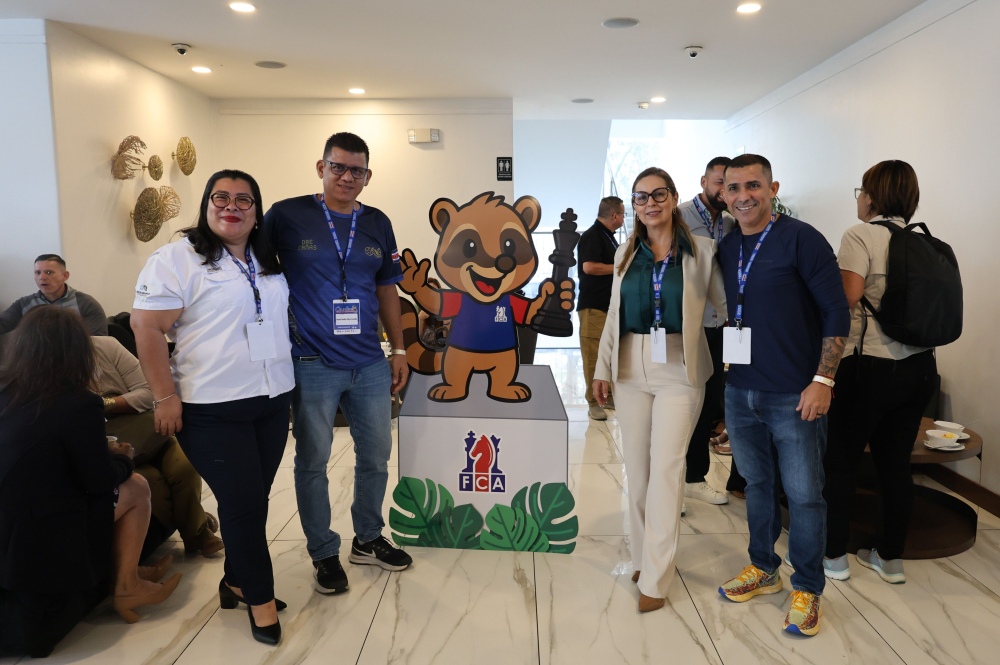
The summit also included a Women’s Chess Tournament coordinated by Carolina Muñoz, which organisers describe as part of the effort to connect policy discussions with visibility and participation. That matters to the event’s public message. The organisers want chess in education to be seen not only as a closed discussion among officials, but as something tied to access, representation and community life.

In that sense, the event in San José is trying to do several jobs at once. It is a policy forum, a teacher-training space, a regional meeting point and a public statement about what chess is for.

The strongest thread running through it is that Costa Rica does not want chess confined to clubs, tournaments or a narrow circle of players. It wants to see whether the game can function inside ordinary schools, for ordinary students, through teachers who are given the confidence and tools to use it.
What comes next

The real test will come after the speeches. The pilot in ten schools now has to show whether the method is simple enough for teachers to adopt, useful enough for schools to sustain and solid enough for public authorities to expand. That is why the summit has been built around a sequence: political backing, institutional agreement, training, trial, evaluation and only then the possibility of wider implementation.

Costa Rica’s ambition, as described by organisers and officials in San José, is large. The method they are proposing is cautious. The country is not promising immediate national transformation. It is trying to build a case, school by school and teacher by teacher, that chess can become part of daily educational life. If the pilot succeeds, the discussion in San José may come to be seen not as a symbolic event, but as the starting point of a national policy.

MORE ON THE TOPIC