

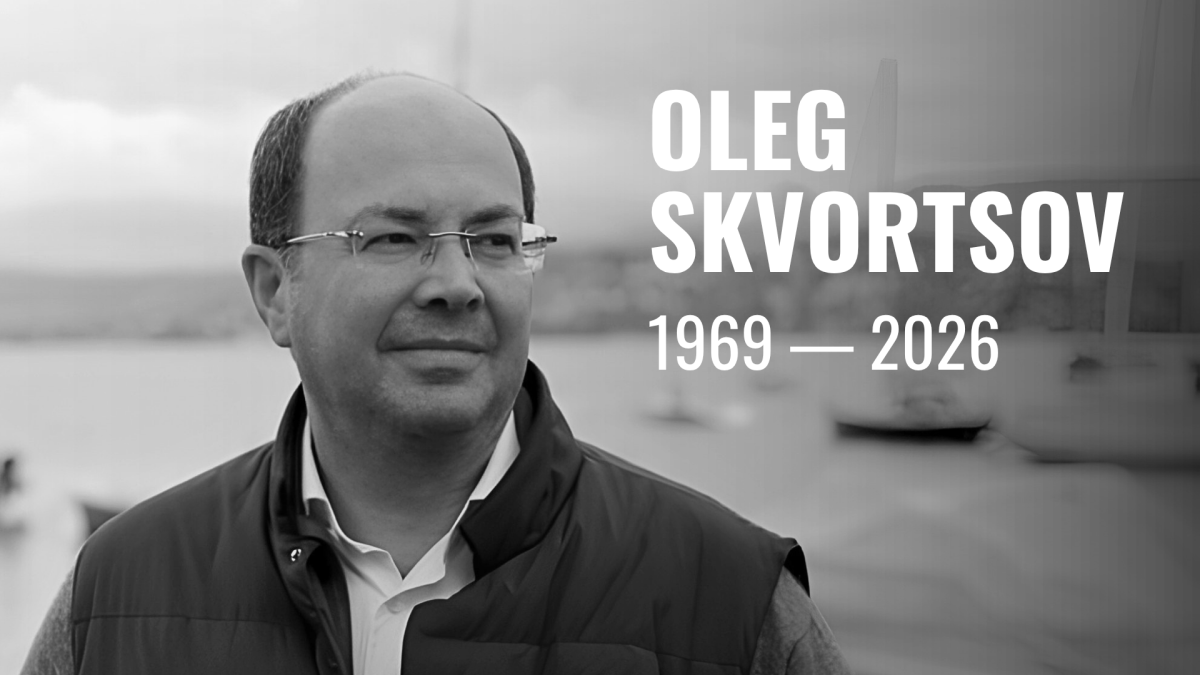
It is with great sadness that we have learned of the passing of Oleg Skvortsov, a passionate chess enthusiast, long-time philanthropist, and tournament organizer. He was 57.
Born in Moscow in 1969, Skvortsov played chess during his school years, reaching the rank of Candidate Master. Upon graduating from Moscow State University with a degree in history and later earning a PhD in the same field, he entered the business world, becoming one of the founders and director of IGC International Gemological Laboratories.
His most significant contribution to the chess world was the Zurich Chess Challenge, a series of elite tournaments he founded and financed from 2012 to 2017. The event began with a six-game match between Levon Aronian and Vladimir Kramnik in 2012, expanded to four players in 2013, and in 2014 became a six-player super-tournament with an average rating of 2801—at the time, the strongest in chess history.
Beyond elite events, Skvortsov was deeply committed to developing young talent. He supported matches such as Shirov–Dubov and, from 2014 onward, the annual “Nutcracker” generation matches, in which top juniors faced legendary grandmasters.
Skvortsov left a lasting mark on chess with his innovative time control: 45 minutes with a 10-second increment. This format, informally known as the “Skvortsov time control,” gained popularity among players for balancing rapid and classical chess.
Throughout his life, Skvortsov was deeply involved in how modern chess is marketed and funded, always aiming to capture the chess world’s attention and attract new sponsors to ensure the game’s continued growth. He was known for his personal generosity, often establishing special surprise prizes for players and fostering a welcoming, celebratory atmosphere at his events.
His legacy lives on in the tournaments he built, the players he brought together, and the time control that bears his name.
FIDE, alongside the global chess community, extends its deepest condolences to Oleg Skvortsov’s family, friends, and loved ones.
Photo: Vladimir Barsky