

By Mikhail Korenman, Chess for Freedom program coordinator
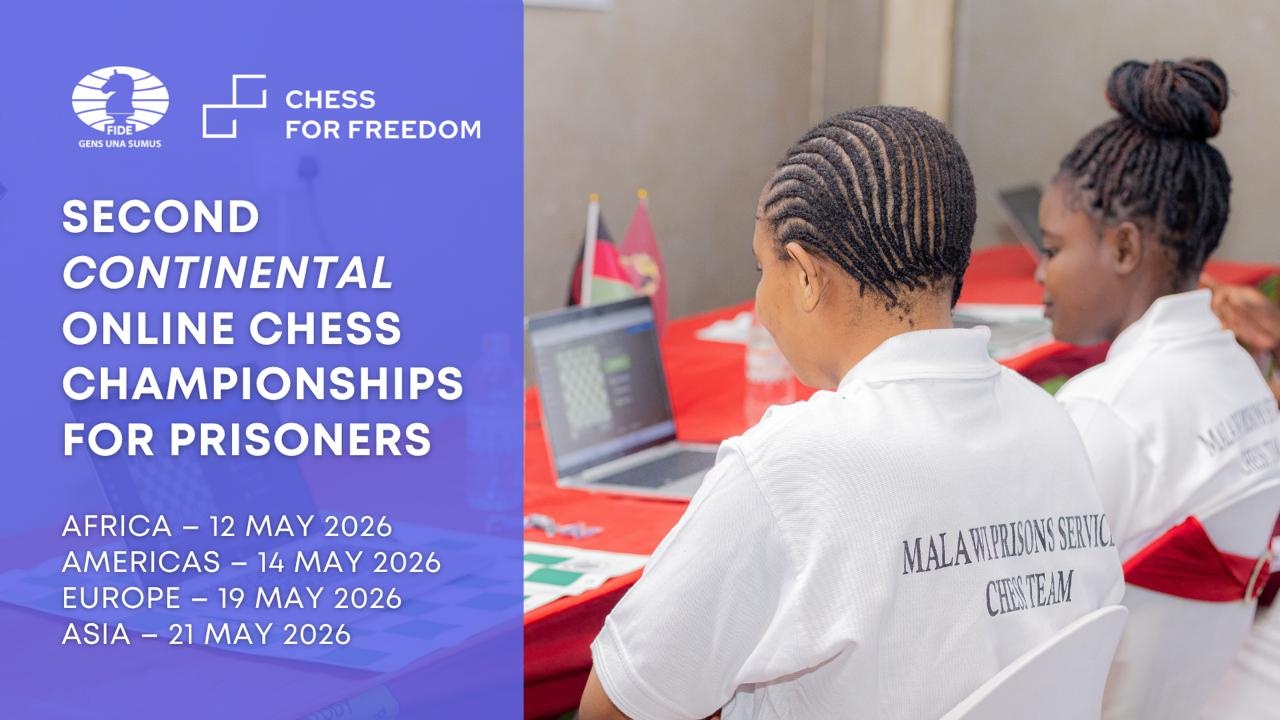
A record number of 50 countries (42 countries in 2025) and 71 Male (50 teams in 2025), 21 Women (13 teams in 2025), and 19 Youth (13 teams in 2025) teams participated in the 2nd Continental Chess Championship for prisoners that was held from May 12 to 21, 2026.
The African Continental Championship featured teams from Zimbabwe, Malawi, Kenya, Ghana, Eswatini, as well as new countries Nigeria, Namibia, Madagascar. Both Zimbabwe Male and Women teams finished at the top of their groups, with Zimbabwe Male team winning the overall competition.
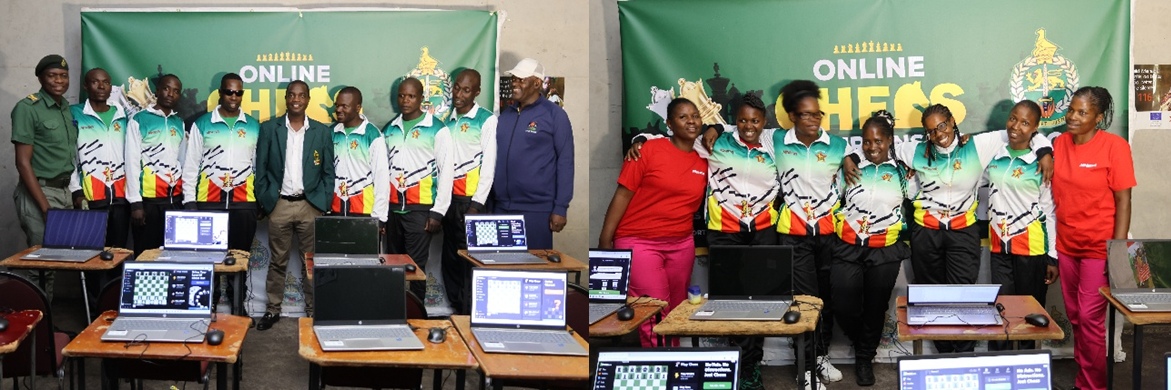
The Ghana team was second overall and won 1st place in the Youth category. Malawi Male, Women, and Youth all finished 3rd in their respective categories.
The American continental championship featured teams from the United States, El Salvador, Colombia, Mexico, Argentina, Jamaica, Aruba, Guyana, Uruguay, Saint Lucia, Grenada, and Paraguay. Both Salvadorian teams won the championship in their categories with Male team winning the overall event.
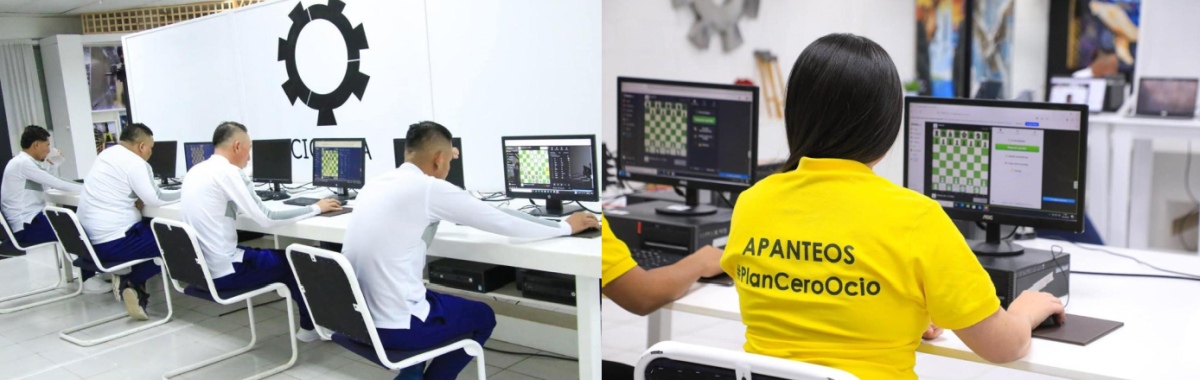
The USA-Chicago team finished overall second, with Mexico in third place. The Mexico Women team finished second, and the USA-Kansas Women team third on Women championship. Guyana Youth team emerged as the winner in the Youth category.
The record number of countries/teams participating in the European championship included Serbia, Armenia, Romania, Norway, Ukraine, Croatia, England, Spain, Poland, Latvia, Germany, the Czech Republic, Italy, Georgia, and Greece, and new countries of Belgium and Albania joined this year.
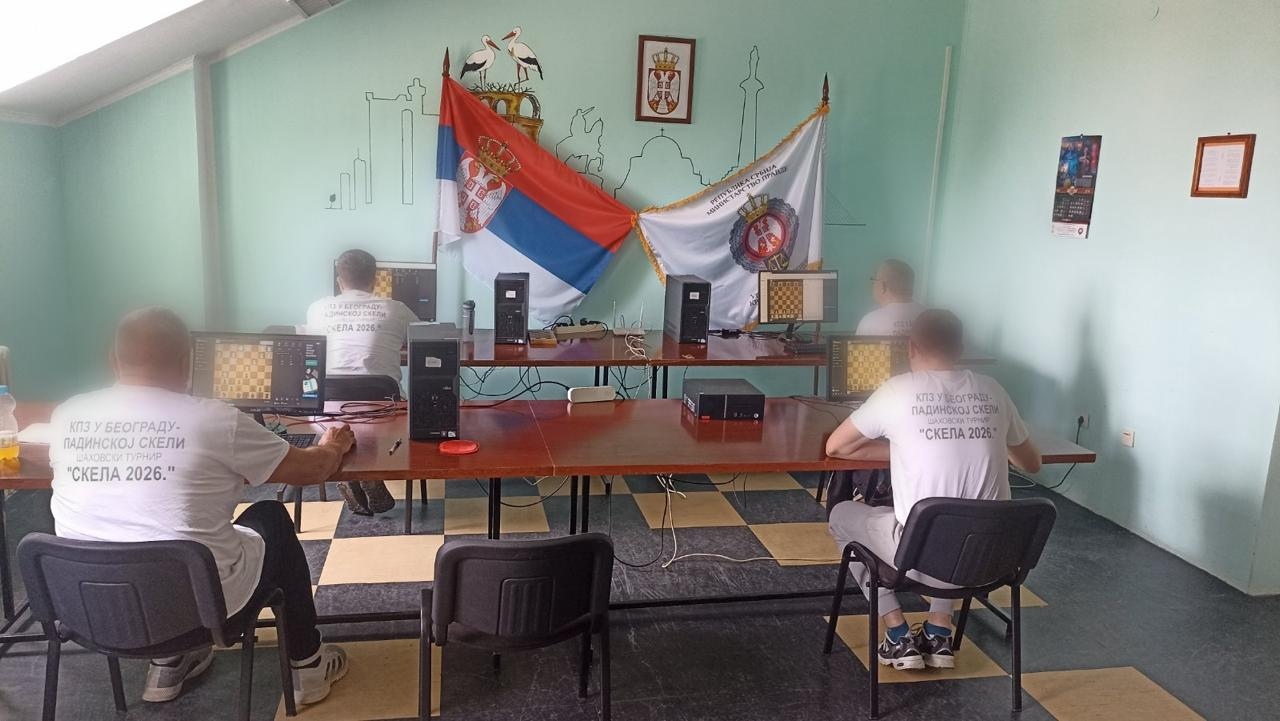
Male team Serbia 1 won the overall competition as well as Male group. Ukraine finished second and Armenia third. Alongside the competition, Italy hosted the European Chess for Freedom workshop (the report was published here).
Women section was dominated by the Georgian teams, with England finishing third. The Youth competition winners are Serbia, England, and Ukraine.

The Asian continent was represented by teams from India, Mongolia, the Philippines, Kyrgyzstan, and Singapore, and a group of four teams from the Australian region – Australia, South Australia, and a new one from Vanuatu. The overall competition winners are two Youth teams from India. Mongolia won the Male and Women sections.

India was second in both categories. With the growing number of teams from the Australian continent, we hope to have the Australian continental championship next year in a separate section.
We very much appreciate all support from a large group of Chess for Freedom country coordinators and their time and efforts they are putting toward the Chess for Freedom program.
We would like to thank all correctional facilities, their administrations, and staff for supporting the Chess for Freedom program. We thank a large group of chess enthusiasts and professional coaches who deliver training to many incarcerated men and women.
A special thank you goes to a very professional group of tournament directors led by Chief Arbiter Nebojsa Baralic from Serbia and Deputy Chief Arbiter Ana Srebrnic from Slovenia, Chief Fair Play Officer Andy Howie from Scotland, and a great chess.com team for the full support and professional run of the events.
Important upcoming dates:
October 13-15, 2026 is the VI Intercontinental Online Championship for Prisoners.
March 17-19, 2027 – Chess for Freedom conference in Chicago (registrations will open soon).
About Chess for Freedom
The Chess for Freedom initiative was launched by FIDE in partnership with correctional institutions around the world to make chess accessible to inmates as an educational and social tool. It promotes critical thinking, emotional control, and teamwork, helping participants gain valuable skills for reintegration into society.
Since the first Intercontinental Championship in 2021, the project has grown into a global movement. Thousands of inmates have taken part in regional and international tournaments, workshops, and educational programs across six continents.