

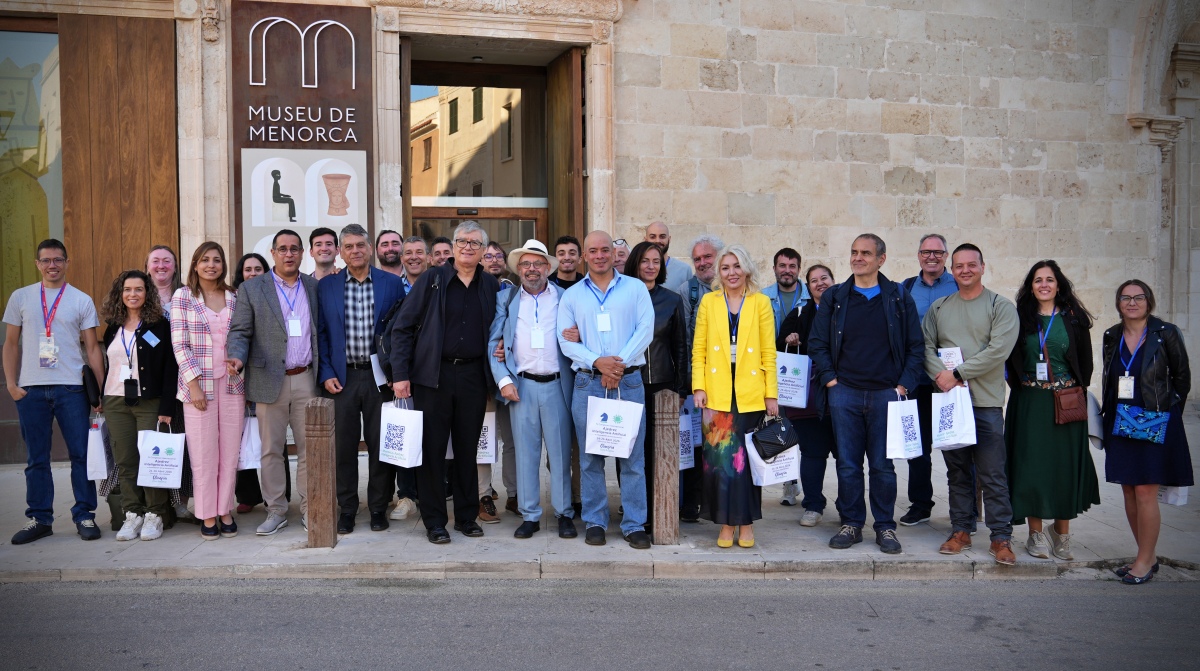
From April 24–26, international experts in education, technology, and chess gathered in Menorca, Spain, for the “Chess & AI in Education” Congress, organized under the framework of the FIDE.
The event brought together leading voices to explore how artificial intelligence (AI) is reshaping the way chess is taught, learned, and applied—both inside and beyond the classroom.
AI in education: Enhancing, not replacing
The congress opened with a keynote by Dr. Mario Antonio Ramírez Barajas, a specialist in chess and education focused on how AI can enhance learning, coach training, and educational program development. His presentation highlighted the growing role of data-driven tools and personalized learning environments.
Following this, Rita Atkins addressed one of the most pressing issues in modern education: the overuse and misunderstanding of AI.
“They overuse it – they think they are obliged to use it because there is so much hype about AI… keep using yourself as the main instrument in the classroom and slowly introduce AI as a tool.”

Atkins emphasized that AI should support – not replace – teachers, particularly highlighting its potential in special education:
“AI is not replacing teachers… The chess classroom is mostly about playing with each other, and AI will never replace human interaction.”
Bridging theory and practice in schools
Practical applications were presented by Mauricio Arias, a key figure in educational chess within FIDE America, who shared his experience implementing chess programs in schools using digital tools.
Dilda Nauryzbayeva examined how AI can enhance Chess in Education (CIE) through personalized learning and real-time feedback, while also acknowledging a critical gap between technological potential and measurable classroom impact.
A unique intersection of chess and neuroscience
One of the most compelling and memorable presentations came from Dr. Cristóbal Blanco, who shared a unique real-life case demonstrating the powerful connection between chess and brain function.
During an awake brain surgery, the patient remained fully conscious while playing chess without sight of the board, announcing moves verbally throughout the procedure. This allowed the surgical team to monitor essential cognitive functions such as memory, concentration, and decision-making in real time.
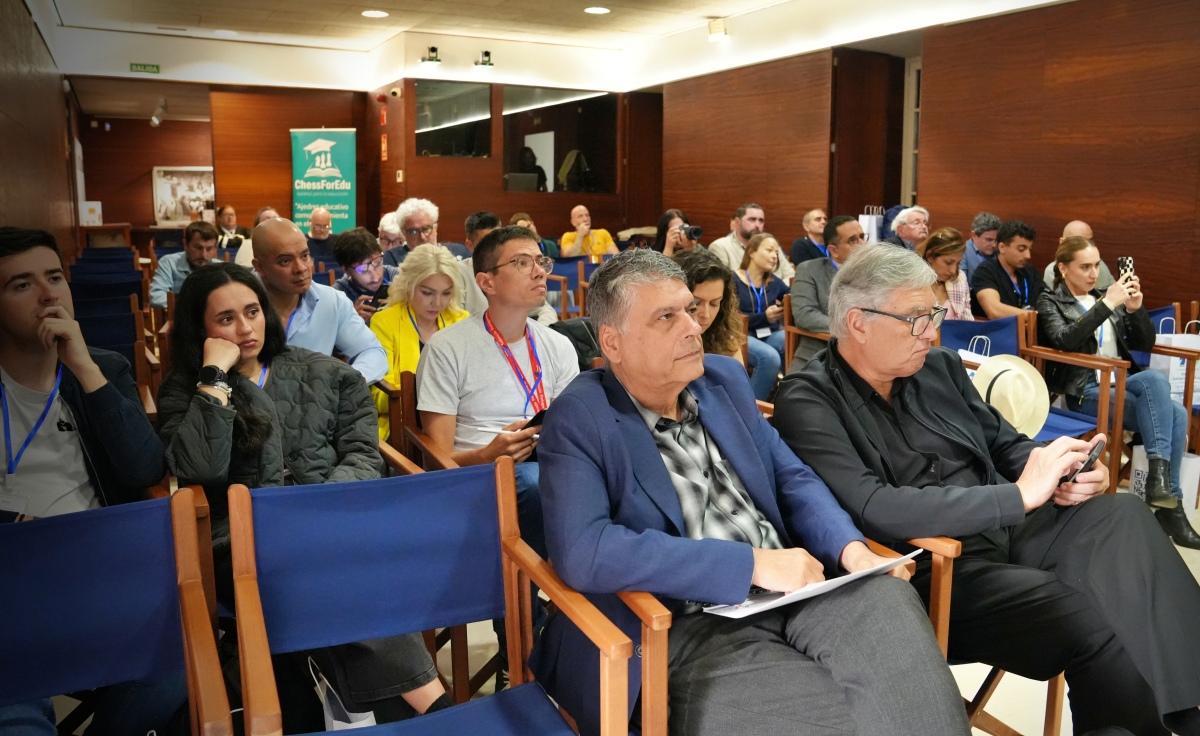
The operation was considered a success, and the patient was able to return to daily life, living two additional years with a good quality of life.
Dr. Blanco emphasized that chess is far more than a game—it is a powerful tool for strengthening and evaluating cognitive abilities, even in the most critical medical situations.
Inclusion through technology and chess
The congress also highlighted chess as a tool for social inclusion and accessibility.
Susana Gonçalves and Miguel Gonçalves presented Chess2Mind, a platform designed to make chess accessible for people with diverse needs.
Their innovations include:
- Real-time voice interaction systems
- Tools reducing cognitive load
- Adaptive interfaces for users with speech or physical limitations
These efforts reflect a broader vision of chess as a tool for community transformation and equal opportunity.
The augmented teacher and digital innovation
Mădălina-Maria Lejean-Anușca, leader of Romania’s national program “Education through Chess,” demonstrated how AI can enhance teaching through innovative pedagogy, combining chess with digital tools, creativity, and structured teacher training.
Meanwhile, Fran Otero showcased technological solutions aimed at modernizing chess education and management.
Dr. Isaac Lozano explored how artificial intelligence can be applied to game analysis, algorithm-assisted training, and data-driven learning tools, reinforcing chess as a testing ground for AI innovation.
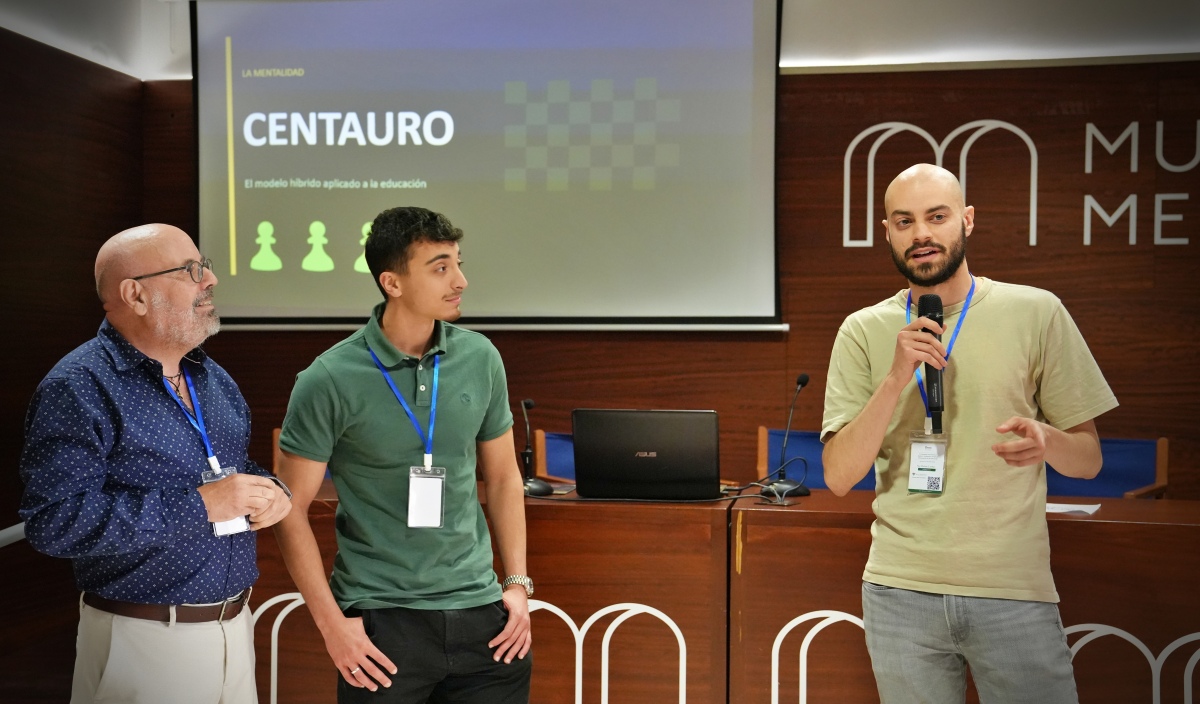
Beñat Lomas introduced practical approaches to using AI and digital systems to optimize clubs, tournaments, and educational programs, bringing efficiency into the organizational side of chess.
Chess as a laboratory for innovation
The congress also featured contributions from Dr. Jonathon Quest, founder of the first undergraduate chess degree program in the United States, and Andrea Manzo, who emphasized the need to move beyond using AI purely as a calculation tool and instead leverage it as a true educational resource.
Educational experts Eloi Nortes Mesas and Ramón Pérez Rodríguez reinforced the importance of chess as a tool for holistic student development, integrating cognitive, social, and emotional learning.
A shared vision for the future
The event concluded with reflections from organizer Pep Suárez, who highlighted the transformative potential of AI:
“Artificial intelligence is changing everything… and chess has always been a laboratory for innovation.”
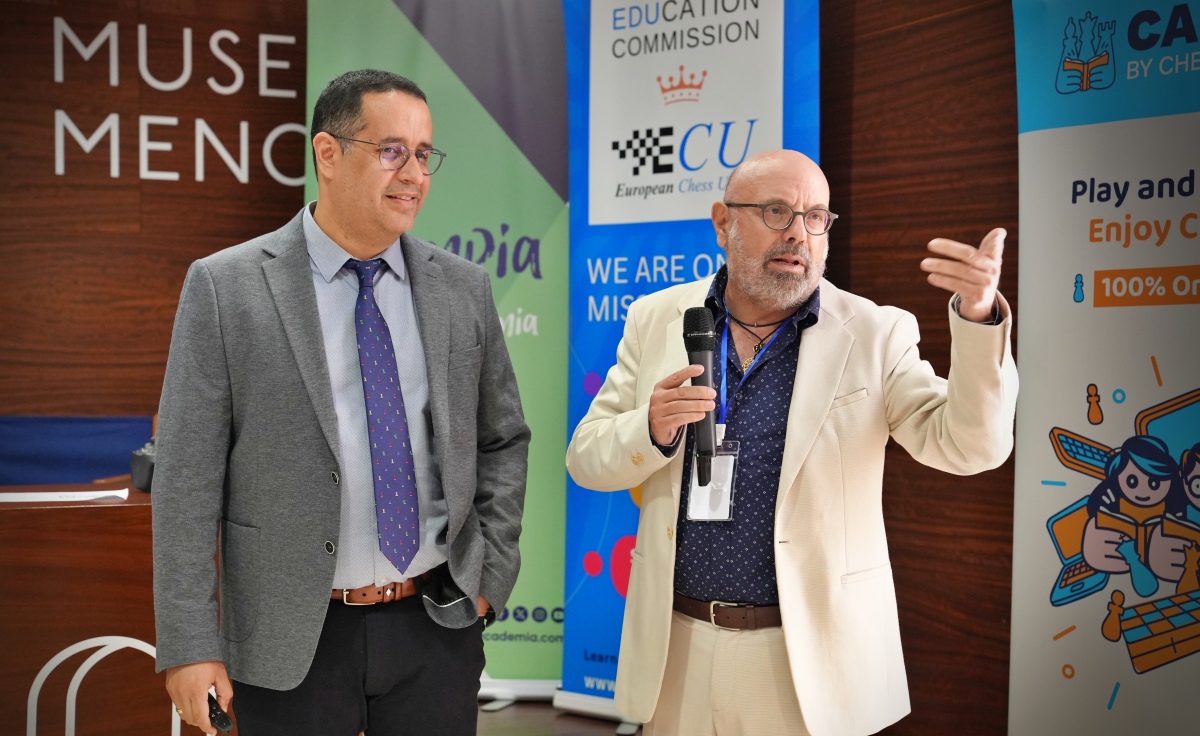
He also emphasized the importance of the international community gathered in Menorca:
“These are top-level professionals from around the world… bringing strong energy and very good vibrations about the future.”
The Menorca Congress demonstrated that the convergence of chess, artificial intelligence, and education is already shaping the future of learning.
From AI-powered classrooms to neuroscience applications and inclusive technologies, chess continues to evolve as a powerful educational and social tool.
The message was clear: The future lies in collaboration – between teachers, technology, and human creativity.