

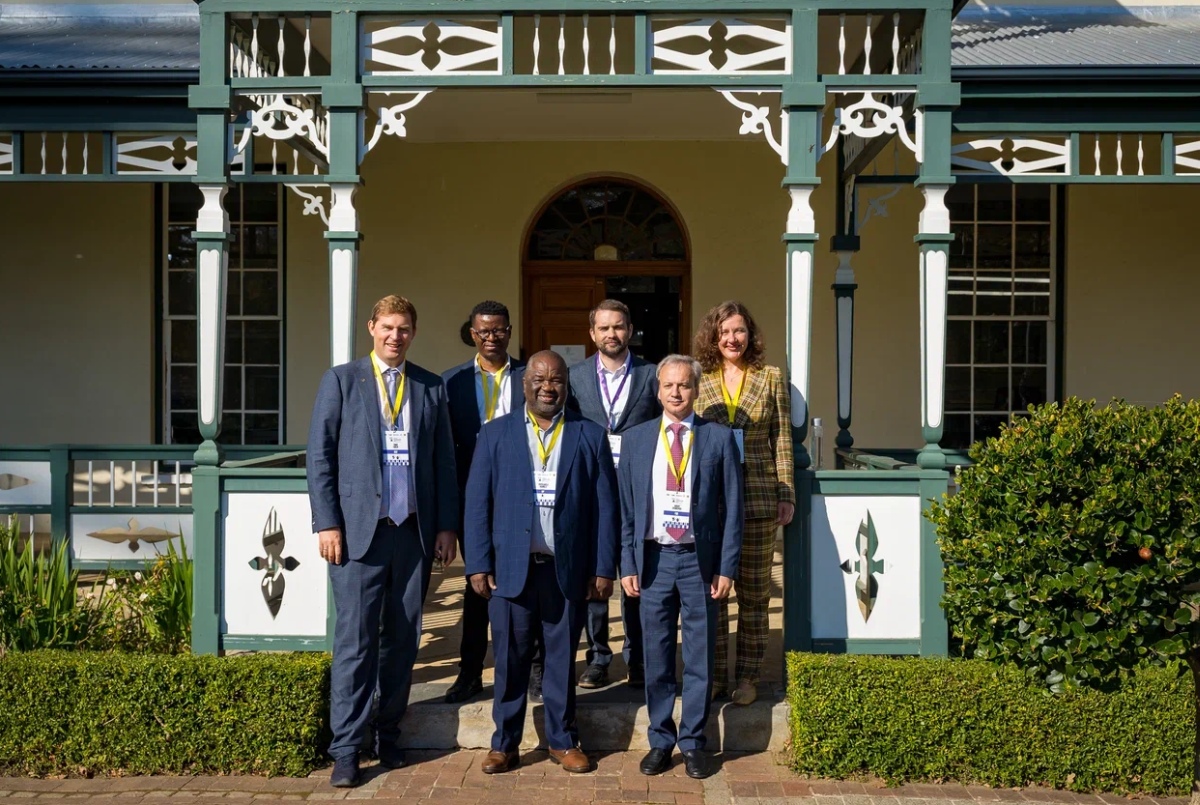
A fresh push to bring chess into classrooms across Africa took shape in Cape Town during the African Continental Stage of the FIDE ISCF World Schools Team Championship 2026.
The African Continental Stage of the FIDE ISCF World Schools Team Championship 2026 currently takes place in Cape Town. What began as a school competition became a working forum for federations, education officials and chess leaders from the region.
FIDE President Arkady Dvorkovich and ISCF President Timur Turlov attended the event where meetings focused on teacher training, school leagues, national coordination and the role chess can play in giving more children access to structured learning opportunities.
During the event, meetings were held with chess officials from several countries, including South Africa, Eswatini and Namibia. The key focus of the discussion was how chess can have a more prominent role in societies across the African continent.
Chess as a tool for social development
In South Africa, chess officials, national Olympic Committee representatives, and sports officials met with FIDE, highlighting the importance the country is giving to chess. Officials highlighted that Cape Town was the first place in Africa where a chess club was established, in 1885. During the discussions, chess was presented as a way to address social and educational inequalities in South Africa.
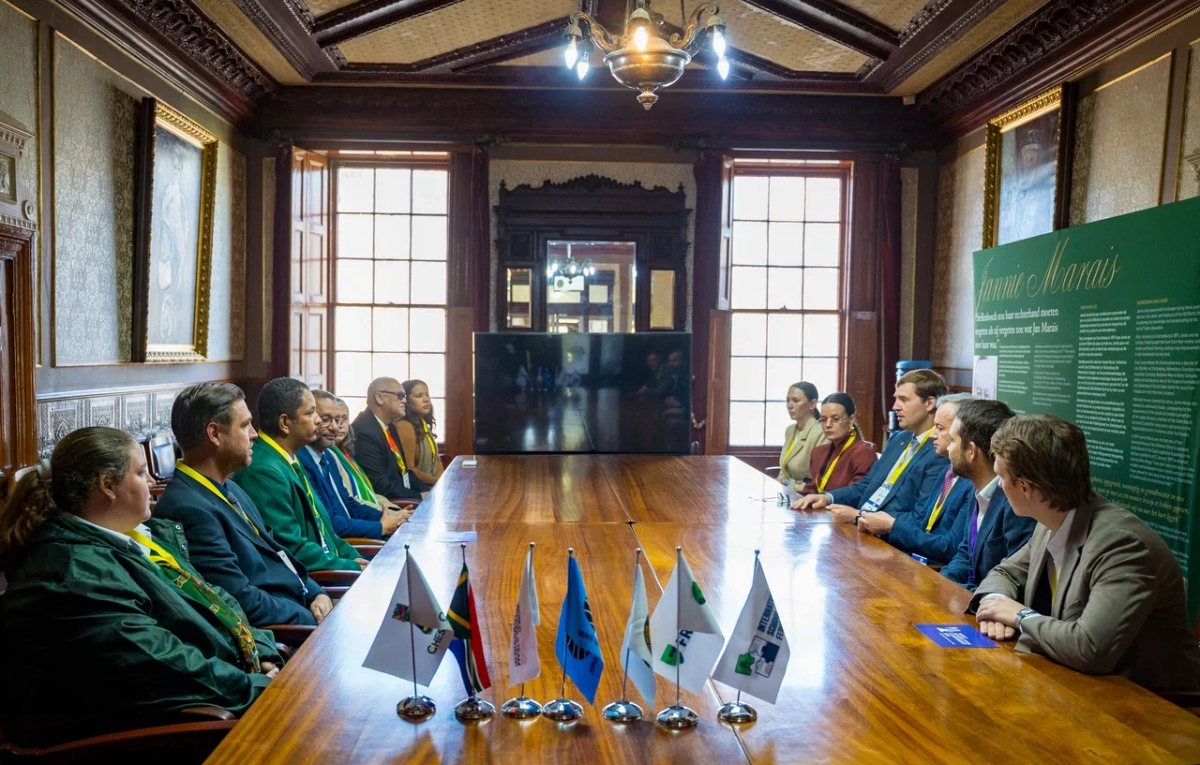
Dr. Lyndon Bouah is the chief director for sport and recreation in the Western Cape pointed out official data showing chess has risen among the sports schools offer to their pupils. This has led to increased government funding, with the ambition to build a school chess league.
Highlighting the important role chess can play in bringing communities together, FIDE and South African officials agreed to work more closely on providing support and staging more international events in the country. South Africa is also being considered as one of the regional centers for chess education and training, FIDE noted.
During the meeting with representatives of Eswatini, FIDE and ISCF discussed an international framework that would help countries in Africa build connected national chess systems.
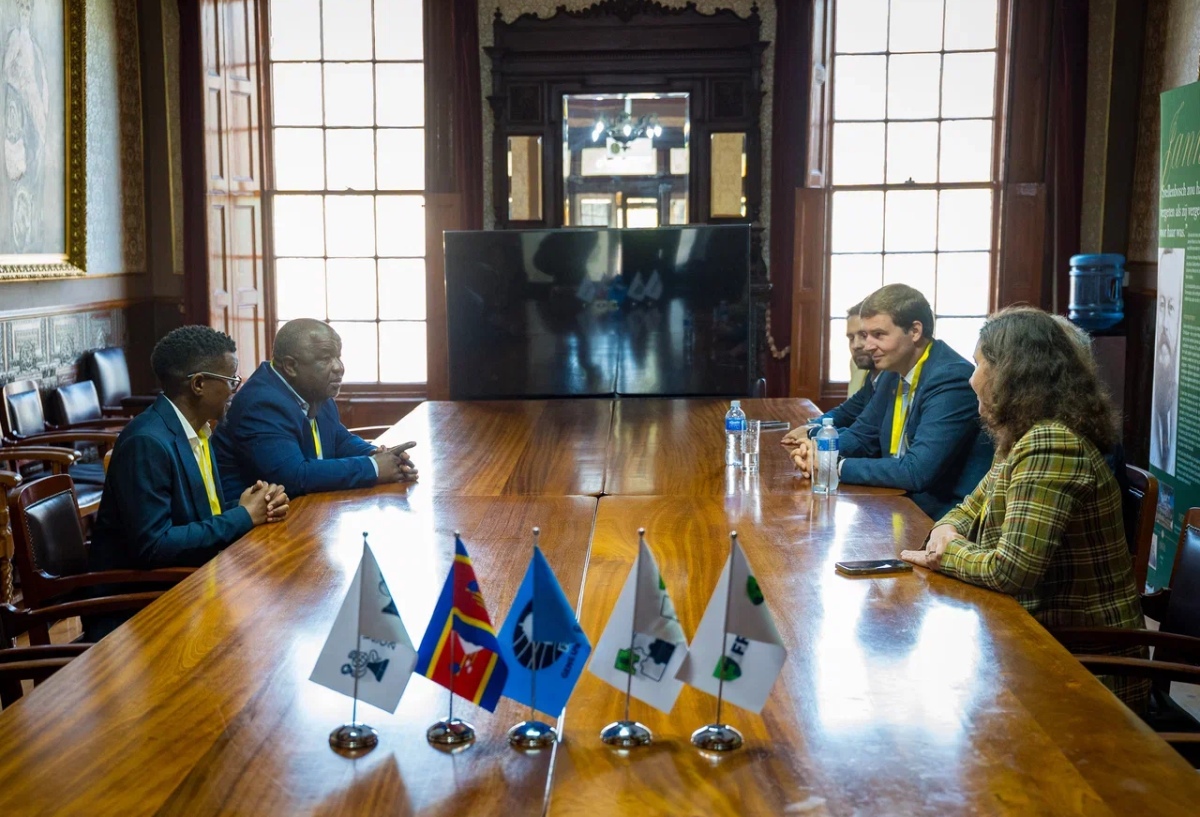
FIDE emphasized the importance of better organisation of national federations and closer coordination between them, moving from ad hoc to structured, continuous projects.
More structured support for African chess
Representatives from Namibia were particularly interested on projects focused on training primary school teachers who could then teach chess to children. Namibia wants chess included across the national education system, with possible support from its strong e-education experience, where FIDE can offer considerate support.
Namibia also expressed interest in holding an international chess event in Africa, noting that the country has the means and infrastructure to support that.
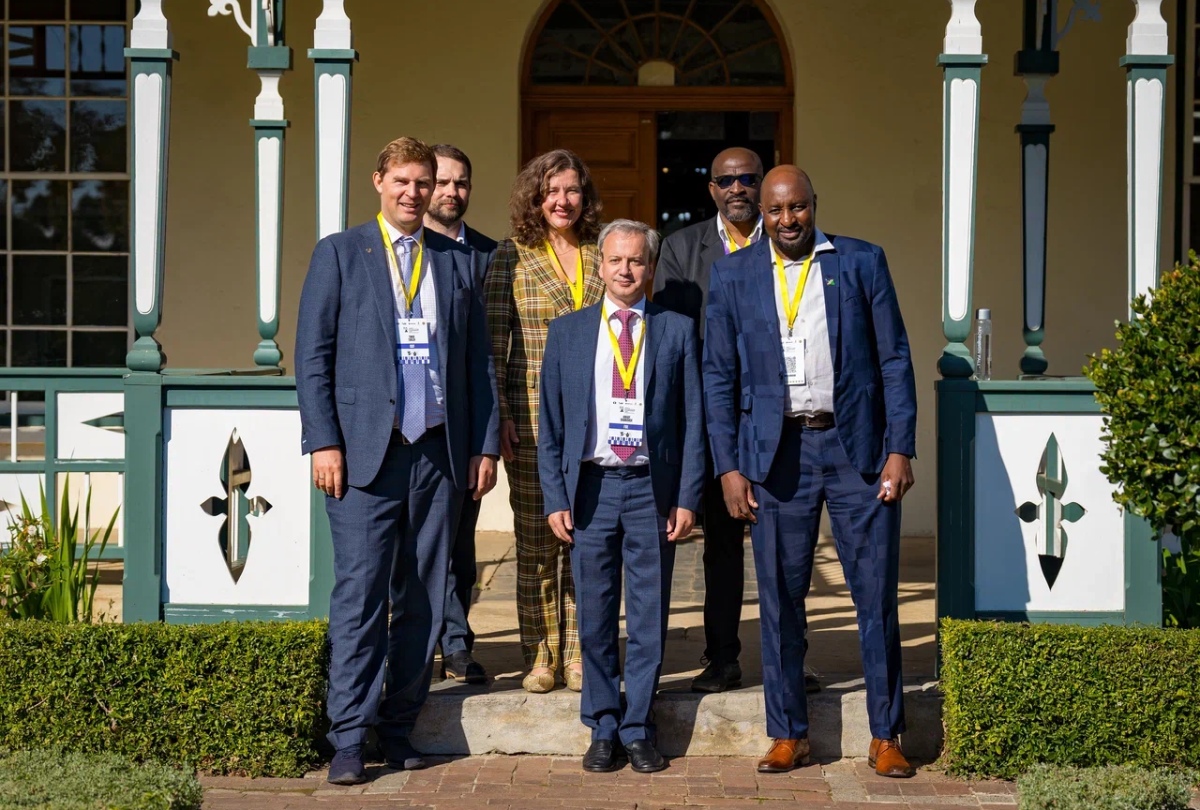
“Education and chess go hand in hand. Here in South Africa we have seen the true spirit of this – with players, teachers, federation and state officials eagerly discussing how chess can be institutionalised in education systems across the continent to help bridge gaps between communities,” said ISCF President Timur Turlov.
“FIDE has offered structured support, and we have laid foundation pillars that will lead to more support for chess across Africa, which means more players and more opportunities, which is our main goal,” FIDE President Arkady Dvorkovich said.
The discussions in Cape Town now give FIDE, ISCF and African federations a clearer route to turn chess in education from local initiatives into a coordinated continental programme.