

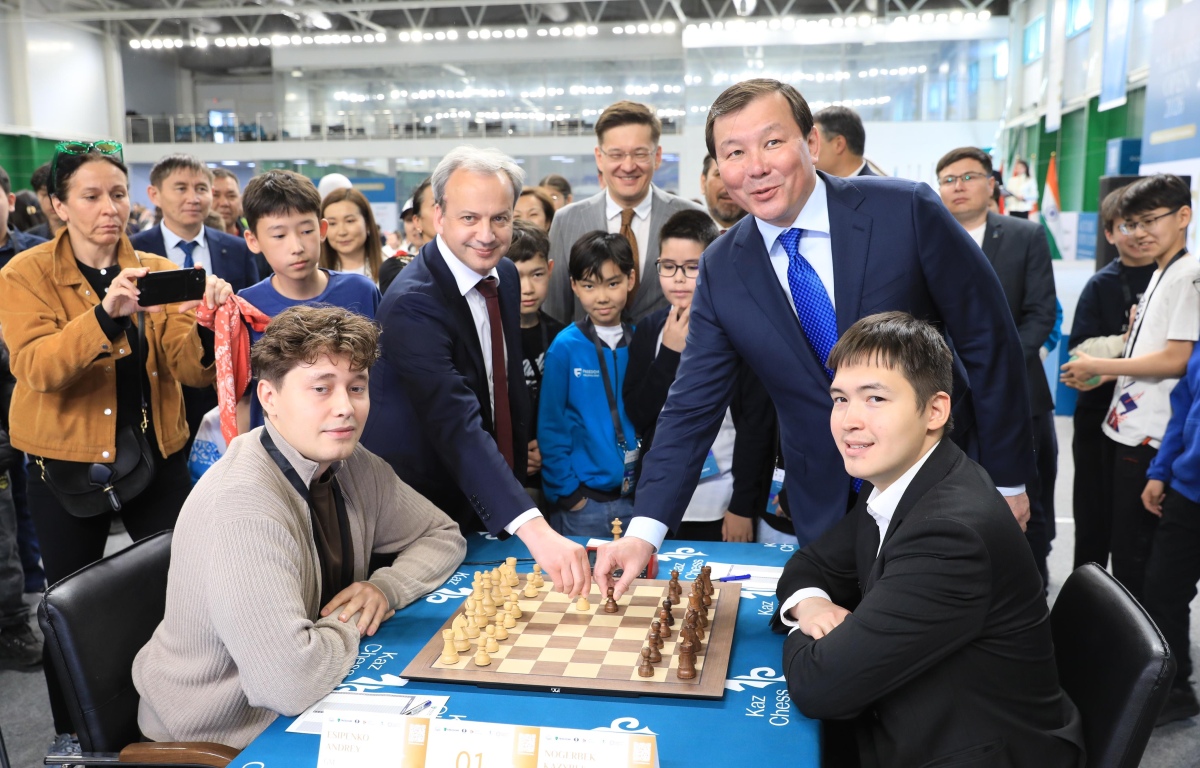
From 3 to 11 June 2026, Aktobe is hosting the international chess tournament Aktobe Open 2026 – Vladimir Dvorkovich Memorial. The event has brought together 210 participants from 21 countries: Armenia, Azerbaijan, Bulgaria, China, Croatia, India, Iran, Kazakhstan, the Kyrgyz Republic, Norway, Romania, Russia, Serbia, Slovenia, Sweden, Tajikistan, Turkmenistan, Türkiye, Ukraine, the United Kingdom, and the United States.
The competition is organised by the International Chess Federation (FIDE), the Ministry of Tourism and Sports of Kazakhstan, the Kazakhstan Chess Federation, and the Akimat of the Aktobe Region. The general partners of the event are Freedom Holding Corp. and Aktobe Copper Company. The tournament partners are Herbalife and the Kazakhstan Tennis Federation. The games are being played at the ACE Tennis Centre, located at 2 Mangilik Yel Street.
The festival comprises two separate tournaments. The Masters tournament features 81 players rated 2400 and above. The Open tournament brought together 129 players with ratings of up to 2400. Both competitions are nine-round Swiss-system tournaments with classical time control of 90+30. The Masters tournament is part of the FIDE Circuit 2026–2027 series.
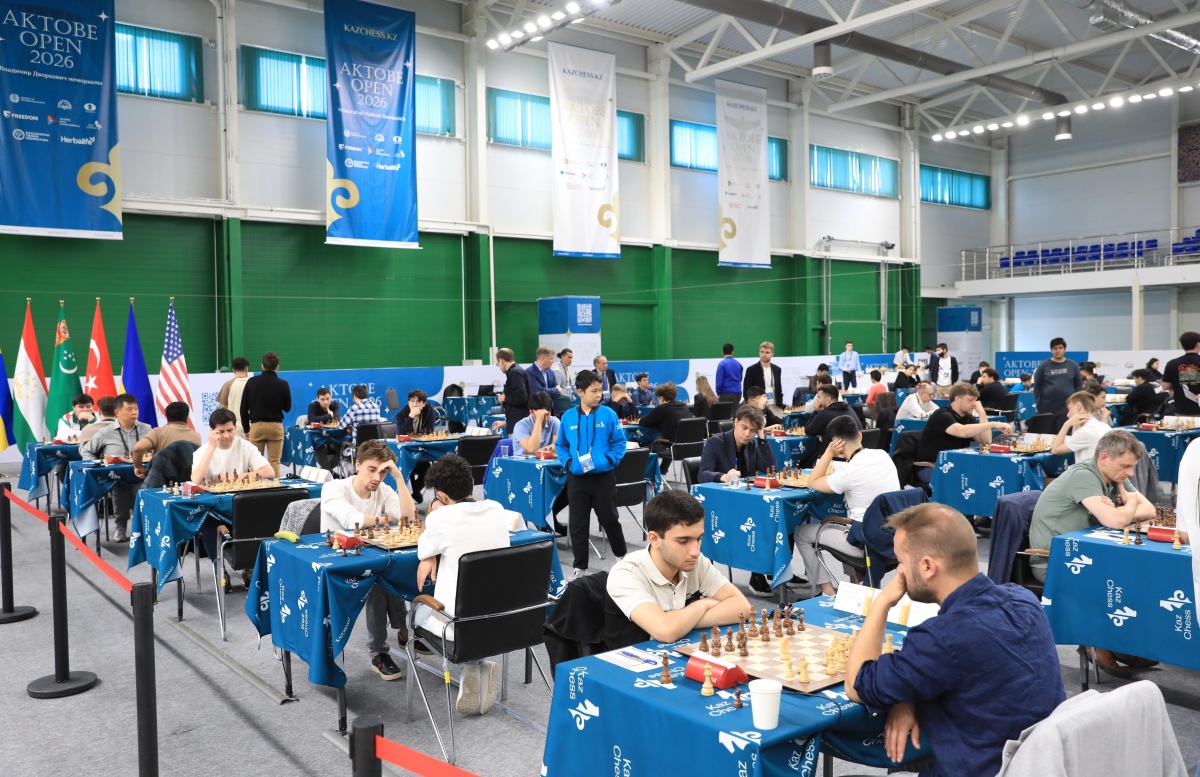
Among the 210 participants, there are 25 Grandmasters and one Woman Grandmaster. The field is headlined by Wang Hao (China, 2684) and Andrey Esipenko (FIDE, 2684), as well as the 2023 European Champion and the winner of the Aktobe Open 2025, Alexey Sarana (Serbia, 2668), the 2018 World Rapid Champion Daniil Dubov (2649), the 2018 European Champion Ivan Šarić (Croatia, 2624), Aleksandr Predke (Serbia, 2616), and Anton Demchenko (Slovenia, 2611).
Kazakhstan is represented by Grandmasters Denis Makhnev (2551), Kazybek Nogerbek (2513), Ramazan Zhalmakhanov (2478), and Edgar Mamedov (2464).
The guaranteed prize fund for the Masters tournament is KZT 45 million (approximately USD 90,000). The winner will receive KZT 9 million (approximately USD 18,000). The prize fund for the Open tournament is KZT 5 million (approximately USD 10,000), with a first-place winner earning KZT 1.35 million (approximately USD 2,700).
The Aktobe Open 2026 – Vladimir Dvorkovich Memorial opens the Kazakhstan Chess Cup 2026 series in classical chess in the open and women’s sections. The final of the Kazakhstan Chess Cup 2026, featuring the 12 strongest players, will take place from 1 to 13 December 2026.
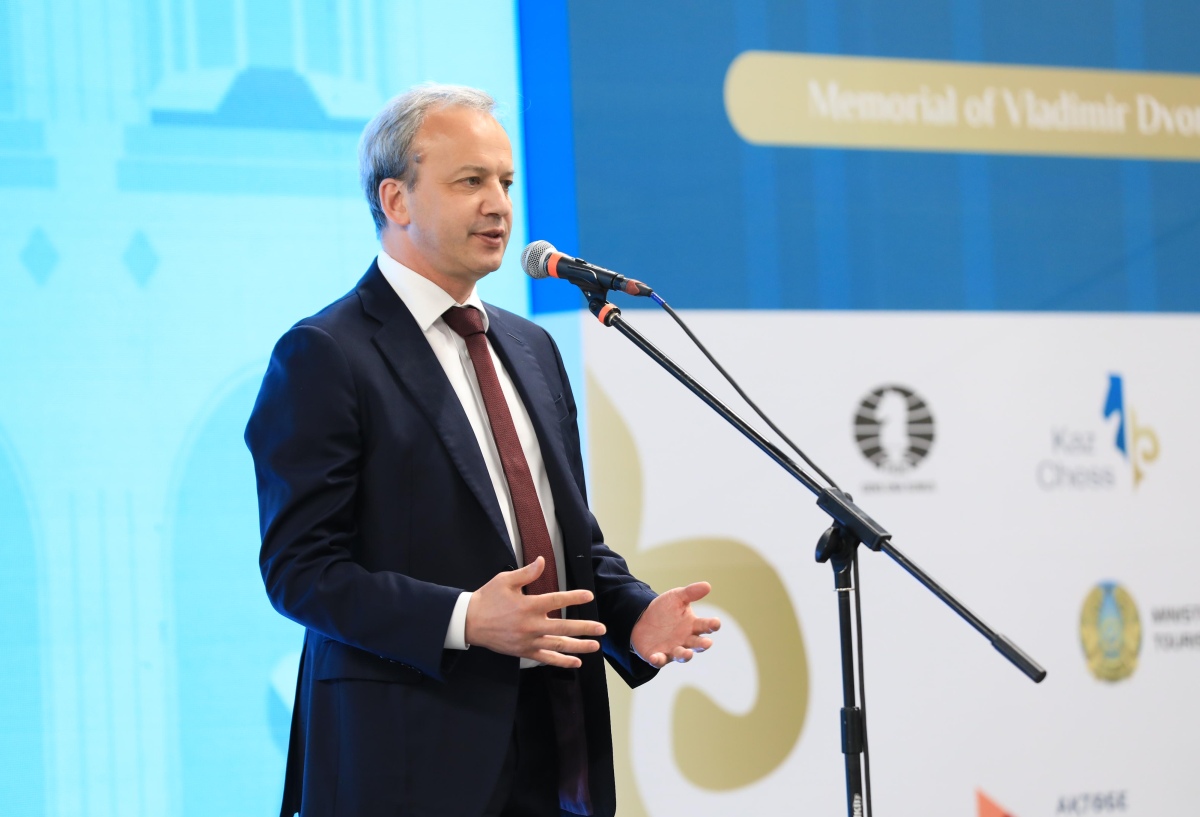
The tournament carries special significance as it bears the name of Vladimir Dvorkovich, an international arbiter who devoted his life to chess. Speaking at the opening ceremony, his son, FIDE President Arkady Dvorkovich, said:
“This tournament is particularly special to me. My father devoted his entire life to chess – as an arbiter, an organiser and a person deeply in love with the game. The fact that his name lives on through a competition that attracts ever stronger players year after year is the finest tribute one could imagine. Looking at the participants’ list, I can see how the tournament continues to grow. It is gratifying to see the event becoming stronger every year. It means that people want to come here. Today, Kazakhstan is one of the world leaders in the pace of chess development. Infrastructure is being created, top-level tournaments are being held, and young talents are being nurtured. These are not merely words but the result of many years of systematic work, and the Aktobe Open reflects this perfectly.”
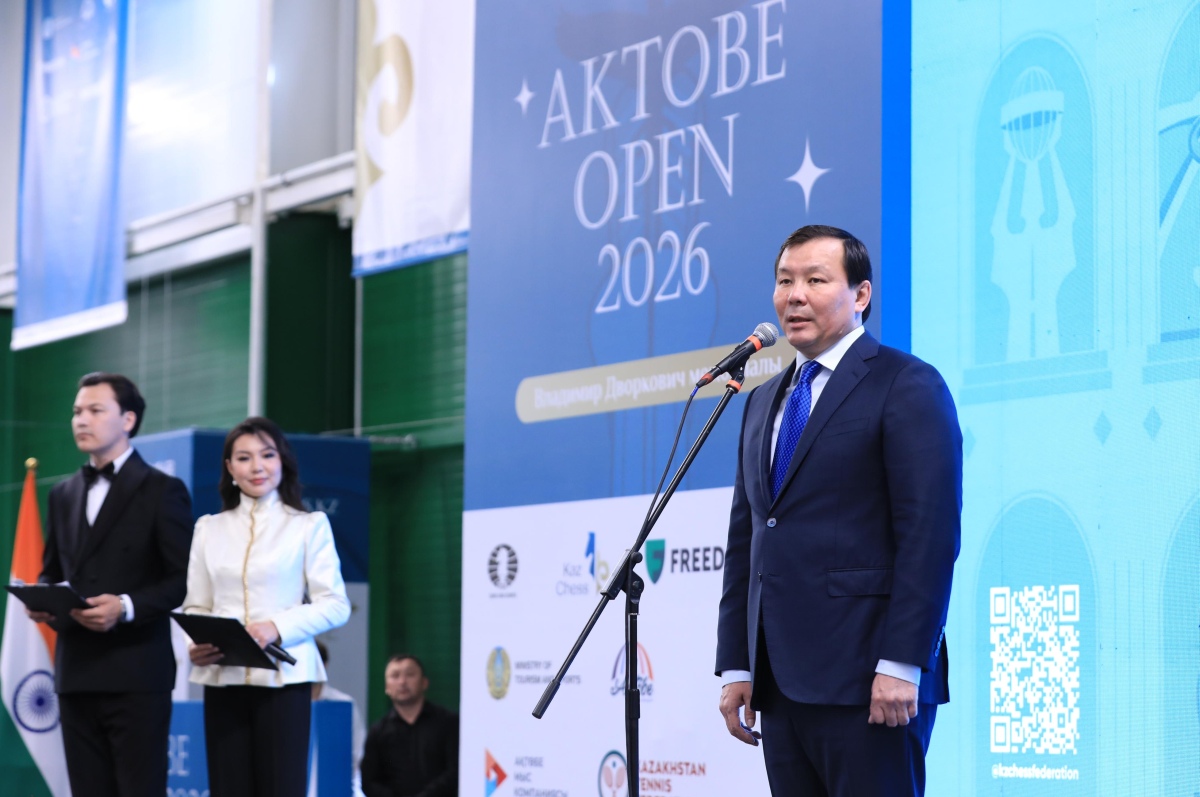
It is important to emphasise that the tournament is held with the active support of the regional authorities. At the opening ceremony, participants were welcomed by Askhat Shakharov, Akim of the Aktobe Region:
“It is both a great honour and a major responsibility for the Aktobe Region to host an event of this calibre. This year, the tournament has brought together players from all over the world. The growing number and increasing strength of participants year after year demonstrate its rising international standing. The Head of State places special emphasis on the development of intellectual sports. Chess is an important tool for educating young people and fostering knowledge, discipline and determination. Therefore, we will continue to support its development.”
The Head of the Region also highlighted the special significance of the tournament bearing the name of Vladimir Dvorkovich. According to him, preserving the memory of the distinguished international arbiter, who began his career in Aktobe, is a vivid example of continuity of tradition and respect for the history of the chess movement.
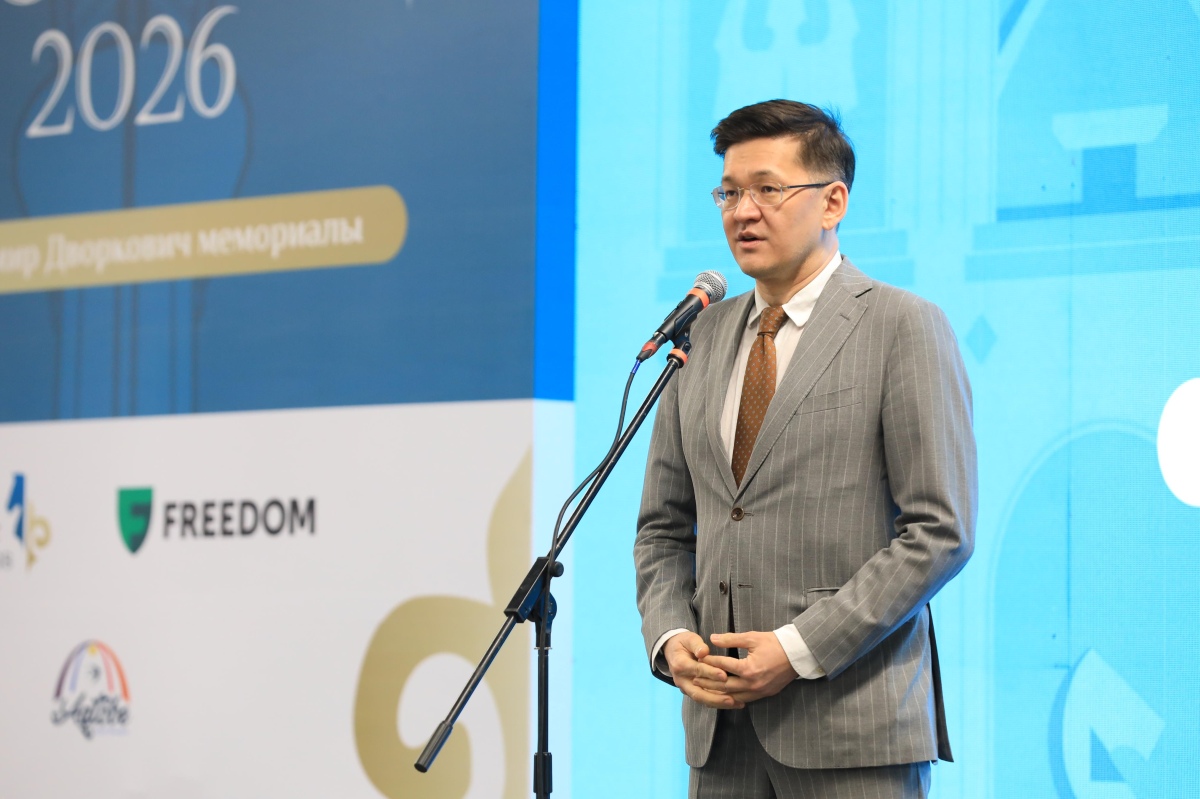
Darmen Sadvakasov, First Vice-President of the Kazakhstan Chess Federation spoke about the tournament’s organisation and its importance for the development of chess in Kazakhstan:
“The Aktobe Open has long since outgrown the status of a regional tournament. World-class grandmasters come here because they know they will find excellent organisation, a strong field, and a serious commitment to chess. Equally important, however, is the way we have designed the format to serve different levels of players. In the Masters tournament, young Kazakhstan players rated 2400 and above play nine games against members of the world’s elite. This is a practical school of experience that no training camp can replace. In the Open tournament, players from the regions have the opportunity to compete in a strong international field on home soil. This is precisely why tournaments of this scale are so important. Over the years, Aktobe has become a genuine center of attraction for the global chess community. This is the result of extensive joint efforts by the Ministry of Tourism and Sports, the Kazakhstan Chess Federation, the Akimat of the Aktobe Region, and all our partners. It is encouraging to see this tradition continue to grow stronger.”
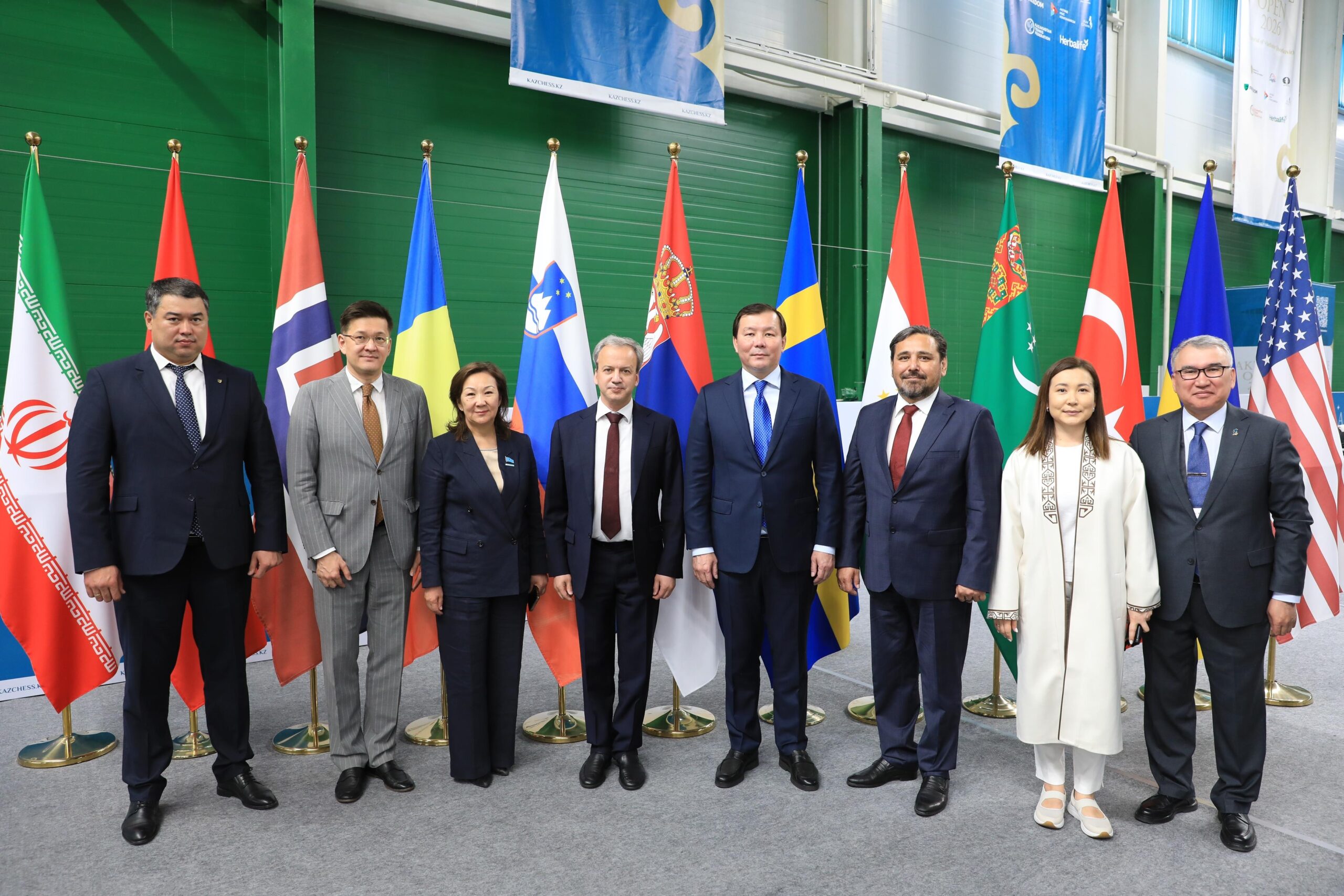
For the sixth time, the Aktobe Open has demonstrated that the development of chess in Kazakhstan is built upon consistent support from the regions. When the government, the federation, local authorities, and partners work towards a common goal, world-class tournaments emerge not only in major centers but also in places where the necessary conditions are created through purposeful and sustained effort. It is this approach that transforms a single competition into a tradition and a tradition into a driver of growth for an entire region.
Photos: Kazchess