

By Milan Dinic
While the global chess spotlight is usually fixed on elite competitions and players, a quieter transformation has been taking place behind the scenes. Over the past six years, FIDE has channelled nearly €9.4 million into grassroots chess development. Through its Development Fund, it has supported projects across continents and helped build chess in places rarely featured in the headlines.
In July 2023, the Bahamas was celebrating the 50th anniversary of its independence. Across the islands, tourists mixed with locals at festivals showcasing Bahamian heritage, music and cuisine. Against the backdrop of the celebrations, a long-held dream was transforming into reality: the Bahamas Chess Federation brought together 16 talented junior players, including members of youth national chess teams from Central America and the Caribbean, for a summer chess camp to increase the number of rated players from the region. The programme was led by National Trainer CM Elton Joseph, and supported by two junior trainers, a female trainer as well as an experienced arbiter. It was seen as a firm step in building a grassroots youth chess initiative that has continued

The project in the Bahamas is one of many supported by FIDE’s Planning & Development Commission over the years. This is all part of a global effort funded by FIDE to institutionally strengthen member federations through the provision of financial and technical assistance.
The FIDE Development Fund
Since 2019, the FIDE Planning & Development Commission (PDC) – which runs the Development Fund – has built a robust support mechanism to strengthen national federations, continental bodies and affiliated organisations.
While PDC focuses on projects initiated by member federations and associations, the Development Fund also includes projects run directly by FIDE – such as in the Kakuma refugee camp, or Chess in Prisons or Chess in Slums.
The Development Fund has enabled 801 projects totalling €5.65 million between 2019 and 2025. The vast majority of this funding has gone to continental associations and national federations, with smaller but meaningful support to FIDE commissions, zonal and affiliated organisations. In addition, continental associations receive €100,000 each year to support continental championships, zonal events, training and educational projects.
FIDE has also provided more than €3 million in travel subsidies for the 2022 and 2024 Chess Olympiads, bringing the total amount of support to just under €9.4 million in the 2019-2025 period.
The value of travel subsidies is expected to reach €2 million for the 2026 Olympiad. The travel subsidies were all directed to Level 3 to Level 5 federations, which would otherwise struggle to fund their participation in the Olympiads.
The funding net is wide. Projects span from basic chess education, to coaching, cognitive development and inclusion. FIDE has supported federations through capacity building, arbiter training, event organisation, the purchase of boards, pieces and clocks, and travel and accommodation for players.
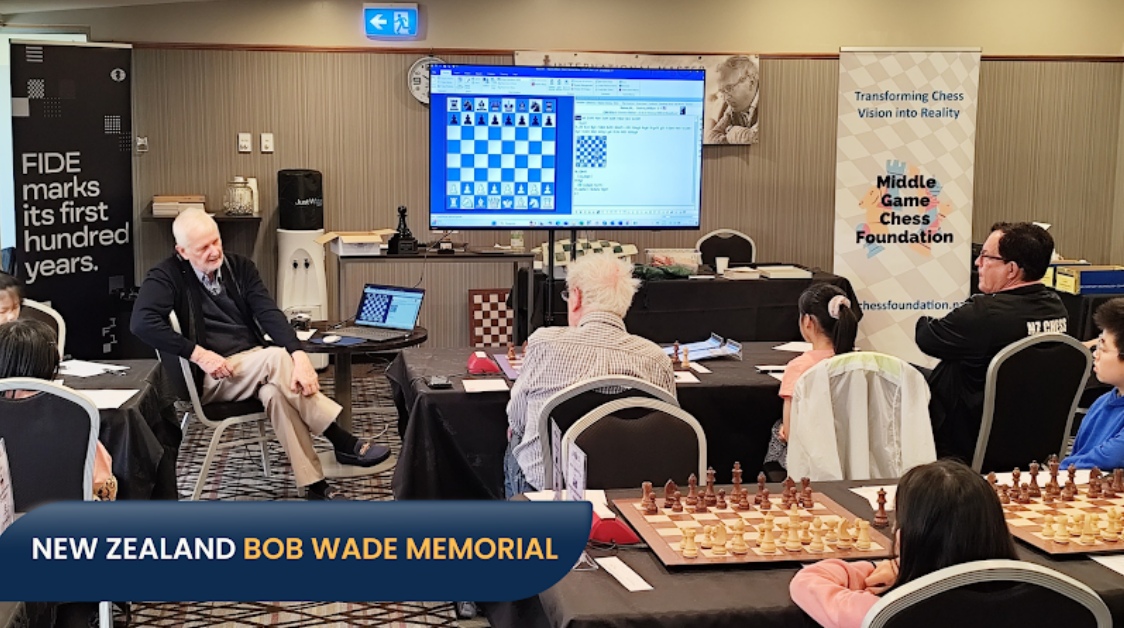
“FIDE’s mission is to spread chess and use it as a tool to bring people and communities together. As with the Year of Social Chess or the ongoing Year of Chess in Education, we want to promote chess as a tool for cognitive development, social inclusion and a useful instrument in education systems and for that we need strong federations and grassroots initiatives,” says Dana Reizniece, Deputy Chair of the FIDE Management Board.
“For FIDE, development is not a side project – it is the mission which we have been working on persistently, including through the Development Commission,” Reizniece added.
How FIDE’s Development Fund works
While support for federations existed before, since 2019, FIDE’s Planning & Development Commission has focused on promoting a more robust and consistent application and funding system.
The Development Fund operates as a grant mechanism, with FIDE working directly with federations that need support.
Beneficiaries have to apply for support through the PDC application process which publicly outlines criteria, guidelines and KPI frameworks that must be met for grants to be eligible for consideration.
The funding cycle for 2026 opened in January. FIDE is also providing an incentive for early applications – an extra 10% in funding for applications submitted before July.
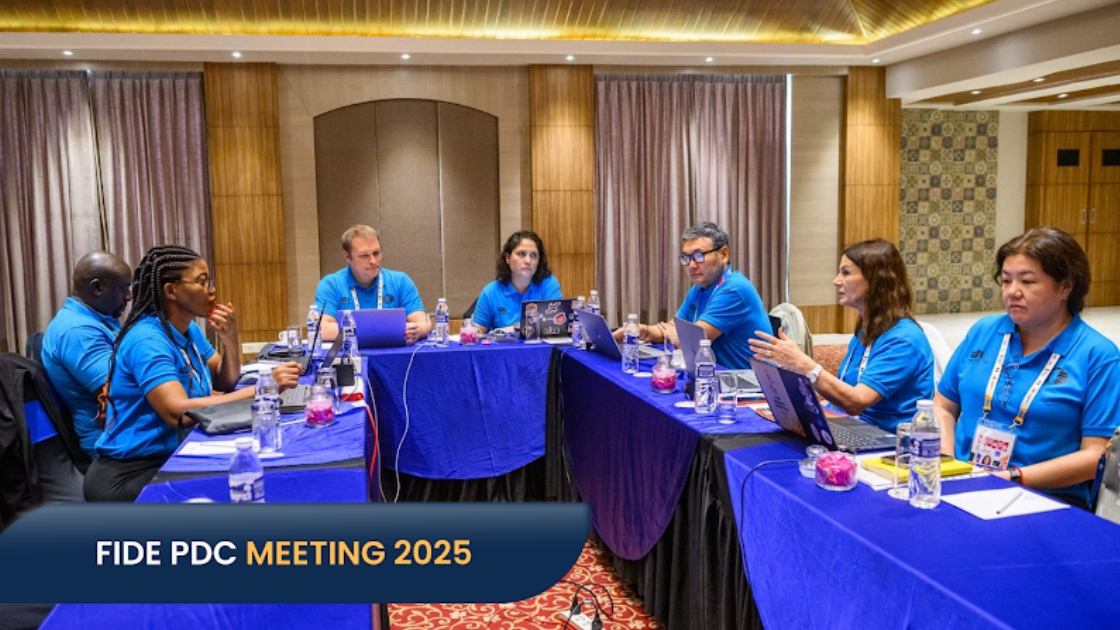
“While FIDE has always worked hard on providing support to our member federations, since 2019 our goal was to make this process more formal and structured, providing clear guidance and equal opportunities to all federations to apply for grants,” says Laurent Freyd, International Arbiter and Chair of the FIDE Planning & Development Commission.
This includes what PDC calls “soft support” for federations. PDC provides consultancy and capacity building through pitch meetings, helping federations improve project proposals, budgeting, and strategic planning. Pitch meetings also involve relevant commissions for cross-functional project evaluation, enabling real-time feedback and alignment.
Institutional, not ad hoc support
The Development Fund is financed from FIDE’s overall budget, which includes income from events and sponsorships linked to major FIDE competitions.
The General Assembly’s 2026 budget shows that total income is projected to rise from €13.17 million in the 2025 budget to €18.85 million in 2026. The biggest driver of this growth is income from FIDE events, which jumps from €9.6 million in 2025 to €16.1 million in 2026. The increase in event-driven income means FIDE has greater resources for development programmes. For 2026 the organisation allocated €400,000 for national-federation support and €400,000 for continent funding, with additional support for zones, commissions and social/educational projects.
As the funding is approved by the General Assembly and is independently audited, it is part of a structured financial system.
For fairness and transparency, FIDE has introduced the Development Index to rank national federations based on their current capacity and capabilities. The index uses six parameters, grouped into three broad areas – chess population, activity and performance – to determine which level a federation will belong to.
Level 1 includes the most developed federations, while Level 5 includes the least developed. A newly registered federation starts at Level 5.
FIDE publishes the current list annually on the PDC website. The live page says the list is current as of 20 January 2026.
“We want to be fully clear and transparent in everything we do. Sometimes, federations may find our requirements or assessment criteria too rigid or may think they don’t go far enough, but they apply to everyone with the aim of securing the most balanced and fair outcome,” Freyd notes.
Data shows that federations in Africa and South America receive most of the funding because those regions face the biggest development challenges.
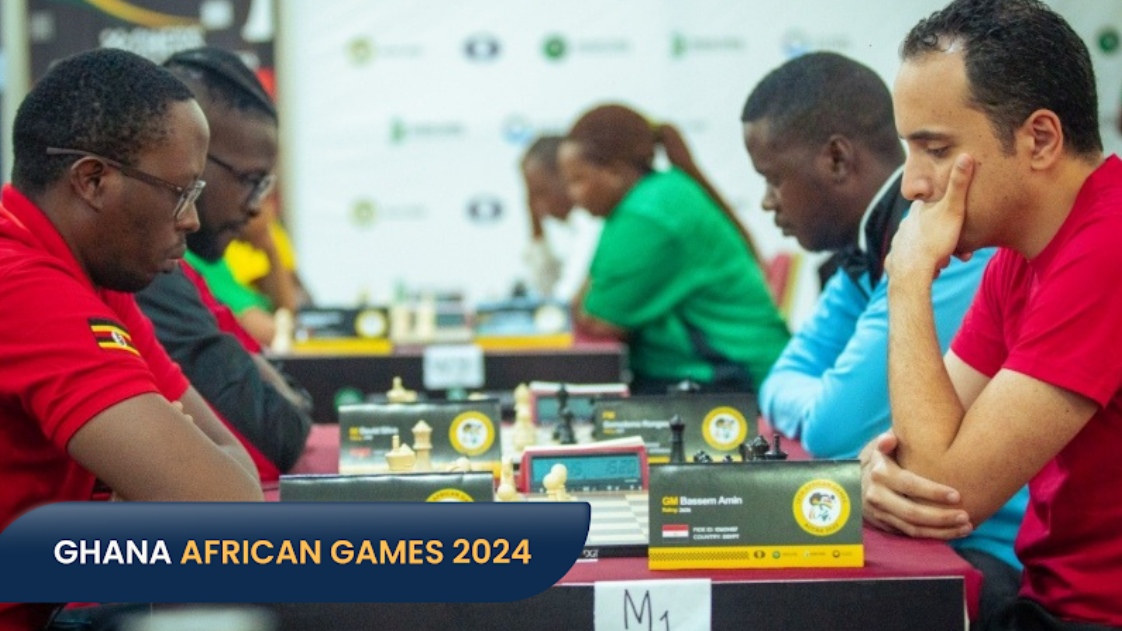
The main priority areas PDC receives requests for include hosting chess competitions, chess training and support for players to participate in international competitions.
“Hosting events funding correlates with lower development levels – smaller federations usually need help organising first national championships,” says Freyd.
Building where the spotlight doesn’t reach
While FIDE’s Development Fund support has reached the most remote parts of the world, its focus on lower-capacity federations has meant its work is not given the prominence and coverage of major global chess events and spectacles.
“Our work is constant and far-reaching, but it’s rarely in the spotlight. We focus on providing federations with support to build a solid chess infrastructure which is a prerequisite for hosting major events and chess stars,” Freyd points out.
“While FIDE has provided millions in grants over the years, there is much more we plan to do”.
Money is always limited and although FIDE has managed to find sponsors and increase the overall funding over the years, the global growth in interest and popularity of chess has also meant more requests for support.
“It is a welcome challenge for us to help fund events which will pay dividends to the chess community in many years to come,” says Freyd.
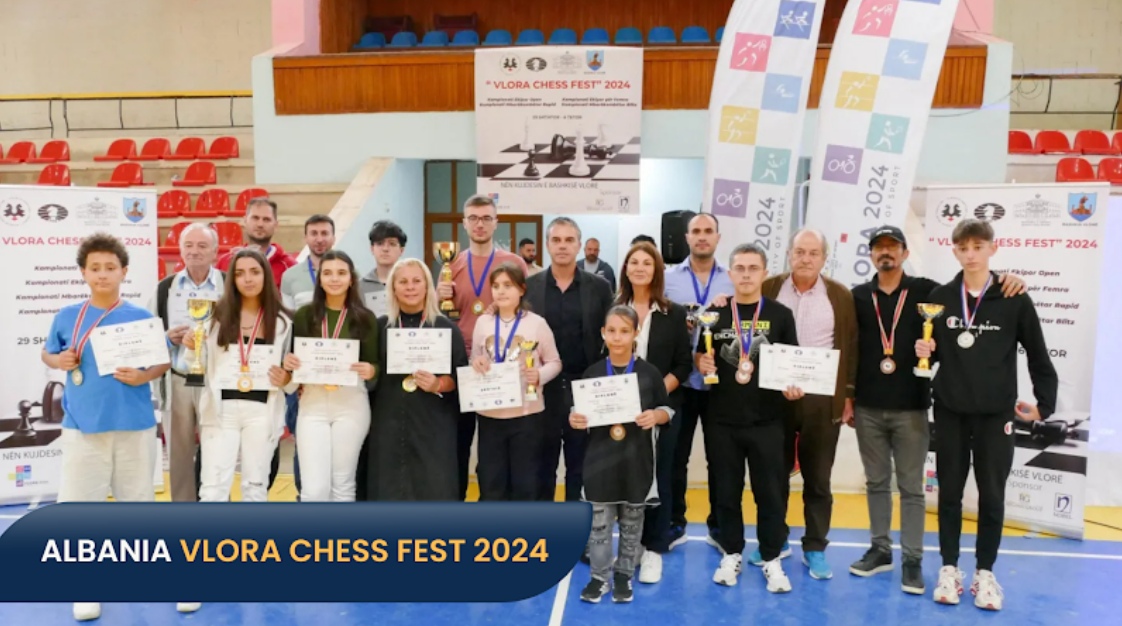
From buying digital clocks and boards for chess clubs in Liberia and Japan, to supporting the development of chess projects for women and girls in St Lucia and Albania, to teaching chess to students in Oman and Senegal, FIDE’s Planning & Development Commission is not just funding projects; it is building a global chess infrastructure to support the future growth of the game.
In places where chess is struggling to survive or only beginning to take root, a network of targeted, structured support is helping reshape how the game grows worldwide.