

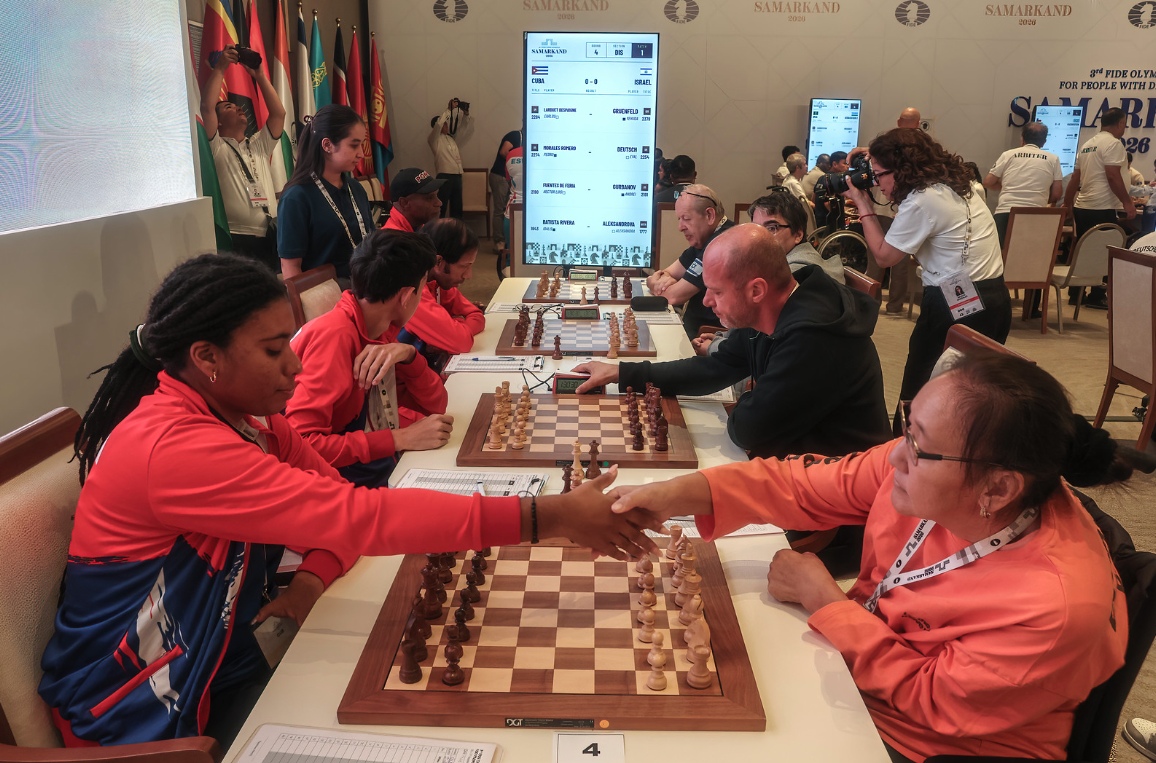
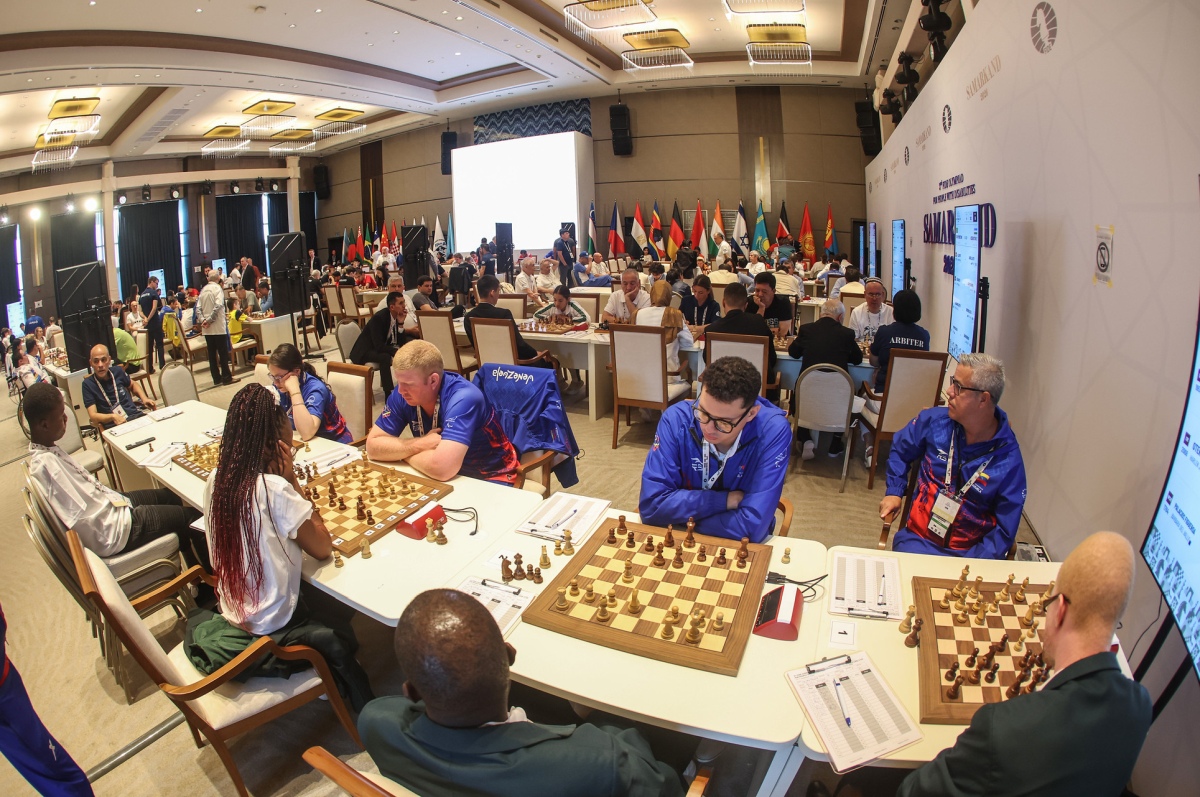
The 3rd FIDE Chess Olympiad for People with Disabilities crossed its halfway mark on Monday, with Cuba emerging as the sole leader after a decisive Round 4 in Samarkand.
Three teams had entered the day with perfect scores: Cuba, Israel and the Czech Republic. But with the leaders facing one another on the top boards, it was guaranteed that at least one perfect record would be broken.
Round 4 began with the ceremonial first move by Nikos Kalesis, Secretary of the FIDE Commission for Players with Disabilities.
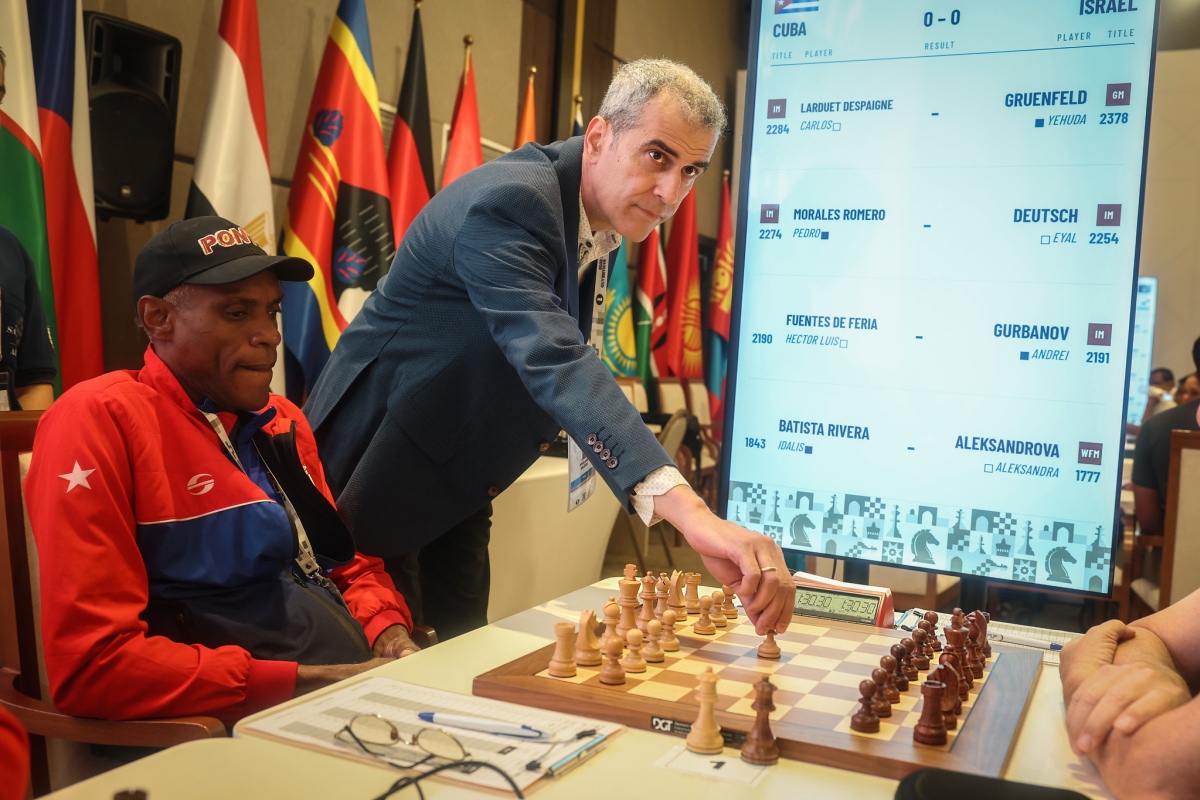
Cuba won the direct clash against Israel 2½–1½, extending their perfect run to four match victories from four. On the second table, Germany stopped the Czech Republic’s winning streak with a 2–2 draw.
Poland, meanwhile, produced one of the most convincing results of the round, defeating India 4–0 to move into second place on tiebreaks with six match points. Elsewhere among the leading teams, IBCA won against Ukraine 2½–1½, the Philippines defeated Egypt 4–0, Croatia beat Spain 2½–1½, and Argentina overcame Mongolia by the same score.
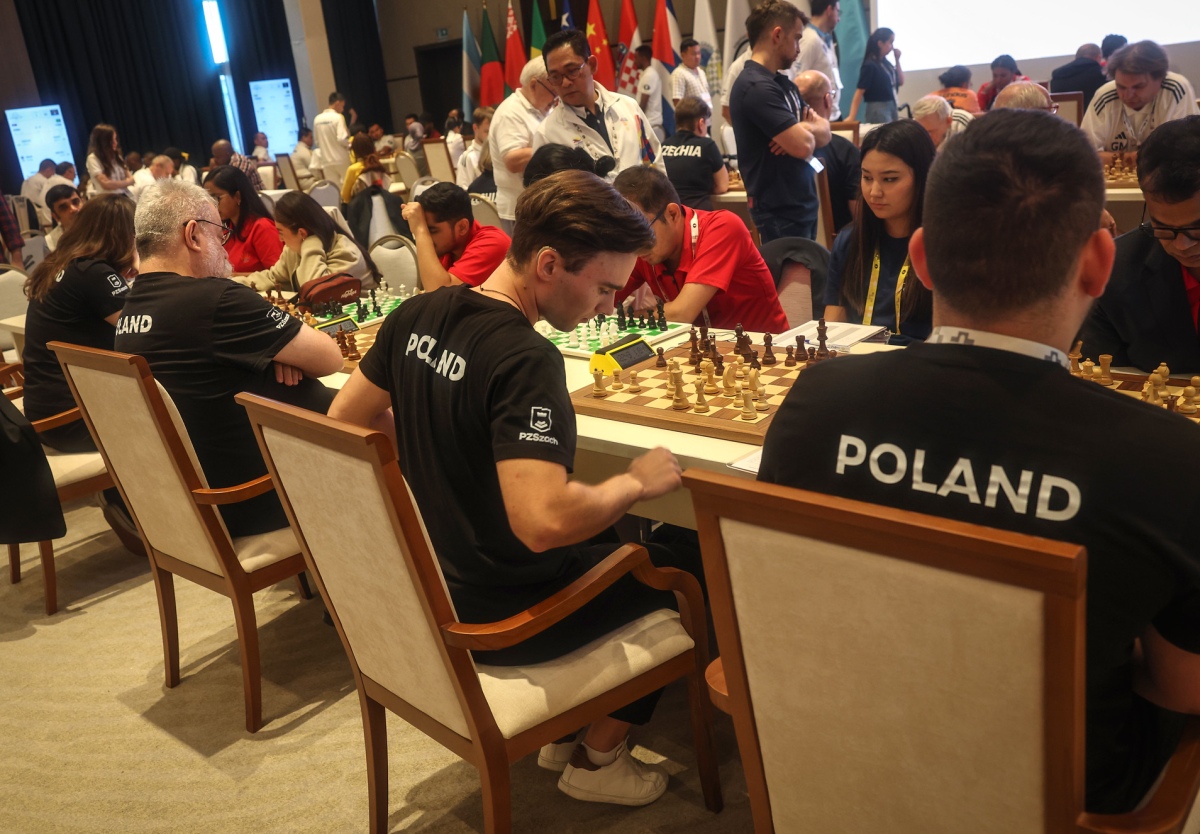
After four rounds, Cuba stands alone at the top with eight match points. Poland follows with seven, while Israel, the Czech Republic, Germany, Croatia and the Philippines have six each.
Behind every move
As the competition enters its decisive second half, the Olympiad is also revealing just how much work takes place beyond the moves seen on the board.
For Chief Arbiter Nebojsa Baralic, Samarkand represents another step in the rapid growth of the event. Baralic also served as Chief Arbiter at the first Olympiad for People with Disabilities in Belgrade in 2024, when 26 teams competed. This year, that number has risen to a record 41.
“So it’s more players and more duties, more arbiters, more volunteers, more assistants. So everything is growing up somehow,” he said.
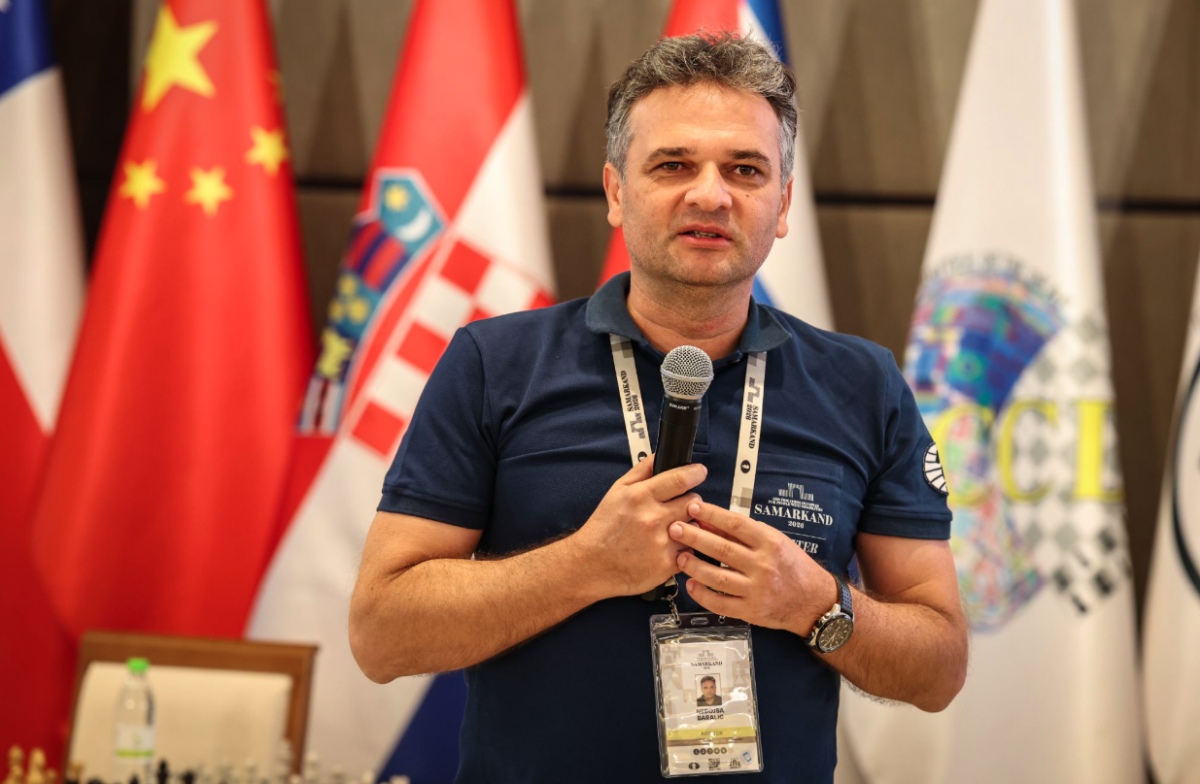
That growth comes with a unique organizational challenge. Blind, deaf and physically disabled players may require different playing conditions and different forms of assistance. Baralic explained that the arbiters sometimes only know on the morning of a round exactly who will play.
From there, tables and boards have to be adjusted and the appropriate assistants assigned. Some players need help recording or making moves, while others may require assistance away from the board. Language is another consideration, with support required in English, Russian, Arabic, Spanish and other languages.
“It’s very complicated, but on the other hand it’s very nice to help all of them to enjoy chess, enjoy life, and provide to all of them good conditions and the same conditions for all,” Baralic said.
One moment in Samarkand brought that responsibility particularly close to him. During the match between Bangladesh and Uzbekistan 3, Baralic became an assistant to Abbas, an Uzbek player with severe physical disabilities who cannot move his hands or legs and cannot speak. For approximately two and a half hours, Baralic sat beside him, making and recording his moves and pressing the clock.
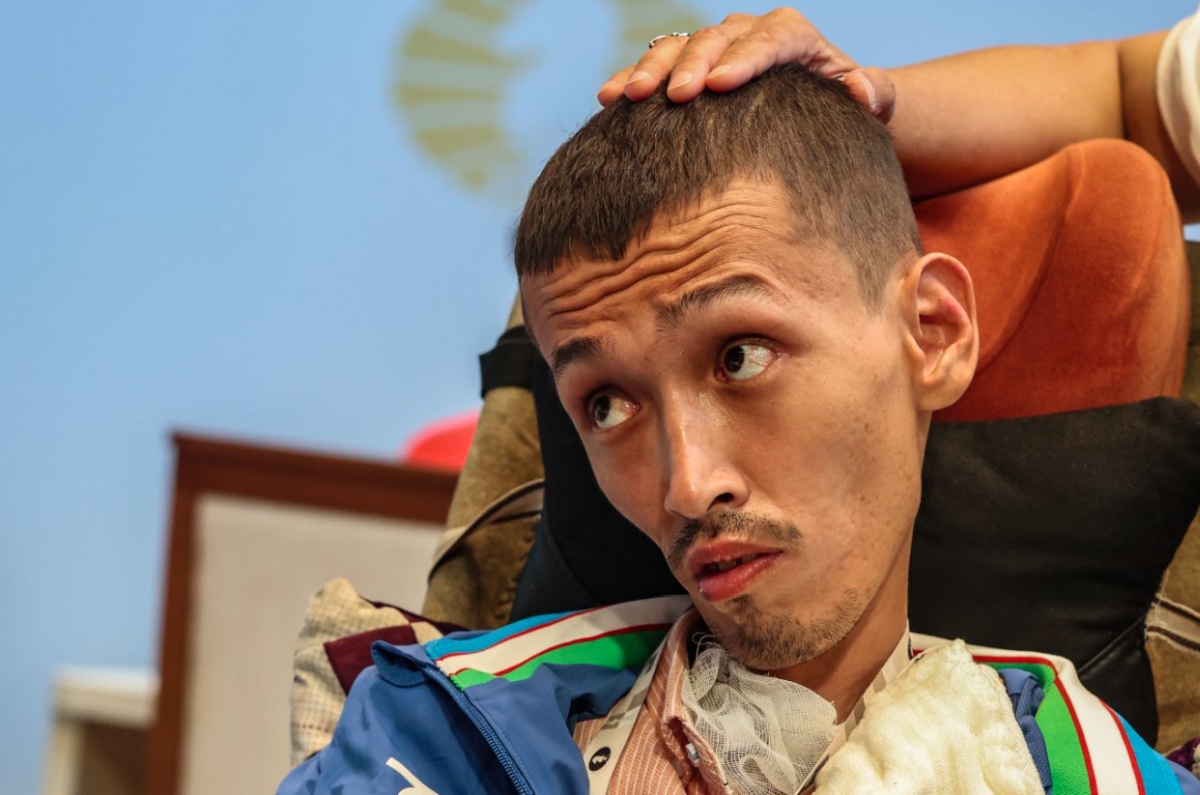
Abbas communicated his moves through glances, with Baralic interpreting where he was looking and making the corresponding moves on the board. “When I recognize his move and made a good move on the board, I look at him and he glanced like this, and I see in his eyes beautiful smile,” Baralic recalled. “I cannot forget that for all my life.”
Seeing the chessboard through touch
For Tuan Kiet Dao of Vietnam, the relationship between player and chessboard takes a completely different form.
Blind, Kiet experiences the position through touch. He began playing chess at around 12 years old, initially learning the moves from a friend before receiving further instruction from a teacher.
“When I interact with chess, I feel, oh, this is very interesting,” he said. “I like logic, and I like to sit and thinking about some move and how to move it and how to make a good move.”
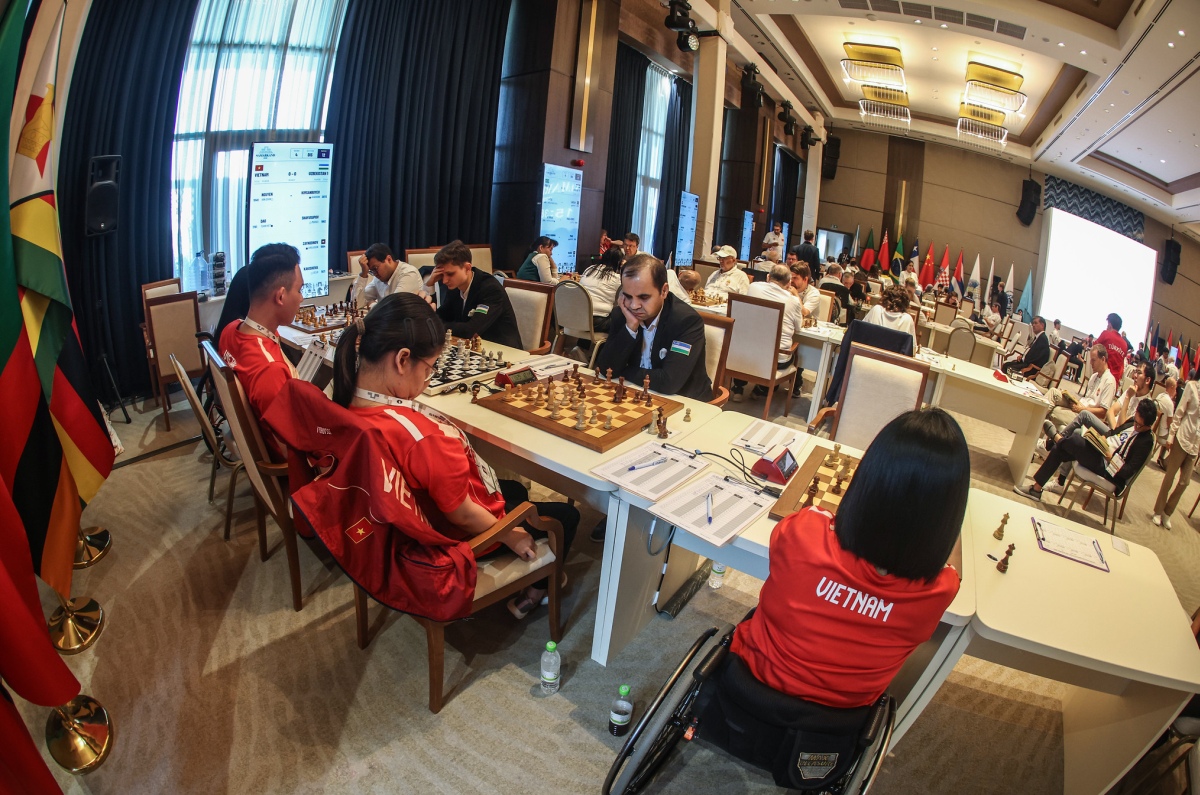
His enthusiasm soon became so strong that tournaments occasionally won out over school.
“Sometimes I escape my school… to play chess in the tournament,” he said with a smile. “I will prioritize chess over study.”
Kiet also demonstrated how an adapted chess set allows a blind player to understand the entire position independently.
The pieces are secured on the board so they do not fall when touched. Black pieces have a tactile marking on top, allowing them to be distinguished from white pieces, while the shapes of the individual pieces allow Kiet to recognize a knight, bishop, king or queen through touch. The squares themselves are differentiated as well: the dark squares are raised higher than the light ones.
“When we touch in the board, we will realize the difference between two squares,” Kiet explained.
For him, what began with learning how to touch and navigate a chessboard has developed into around 15 years with the game – and now his first Olympiad.
From university champion to a first Olympiad
For Ashutosh Singh of Team India, Samarkand is also a new experience. Despite having competed in numerous tournaments, this is his first Olympiad for Players with Disabilities.
Singh began playing chess at around the age of ten and has since competed extensively at the district, national and university level. Among the achievements he highlighted are three gold medals at the All India University level and participation in a World University competition in Kuala Lumpur, Malaysia.
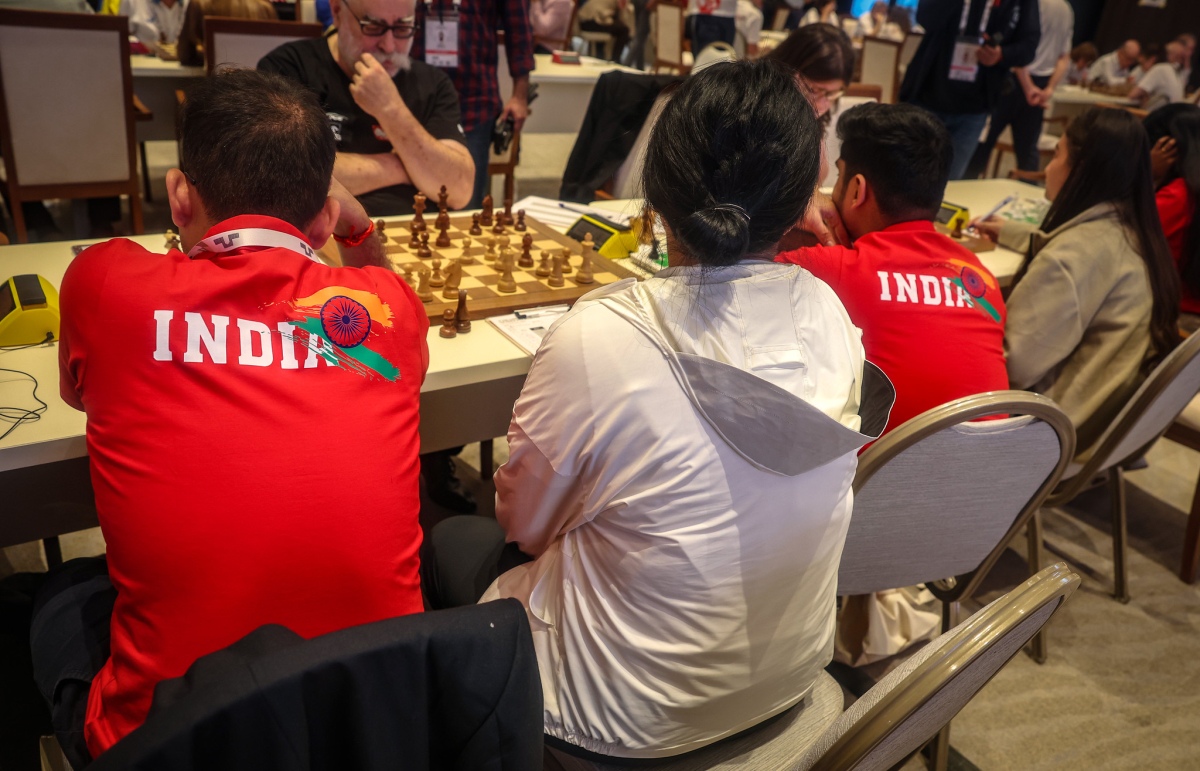
“I played so many tournaments, but it is my first Olympiad for People with Disabilities,” Singh said. He qualified for the Olympiad through India’s national competition and spoke enthusiastically about the strength of the Indian team in Samarkand.
Round 5 will bring an immediate test for the sole leaders, as Cuba face Poland on the top table. Israel meet the Czech Republic, while Germany takes on IBCA. Croatia and the Philippines will also meet in another encounter between teams currently on six match points.
With three rounds remaining Cuba have created the first gap at the top – now the question is whether anyone can close it.
You can find results of Round 4 and pairings of Round 5 on Chess-results.
Follow the games live.
FIDE Chess Olympiad for People with Disabilities official website: https://dis-olympiad2026.fide.com/
Written by Angelika Valkova
Photos: Mark Livshitz