

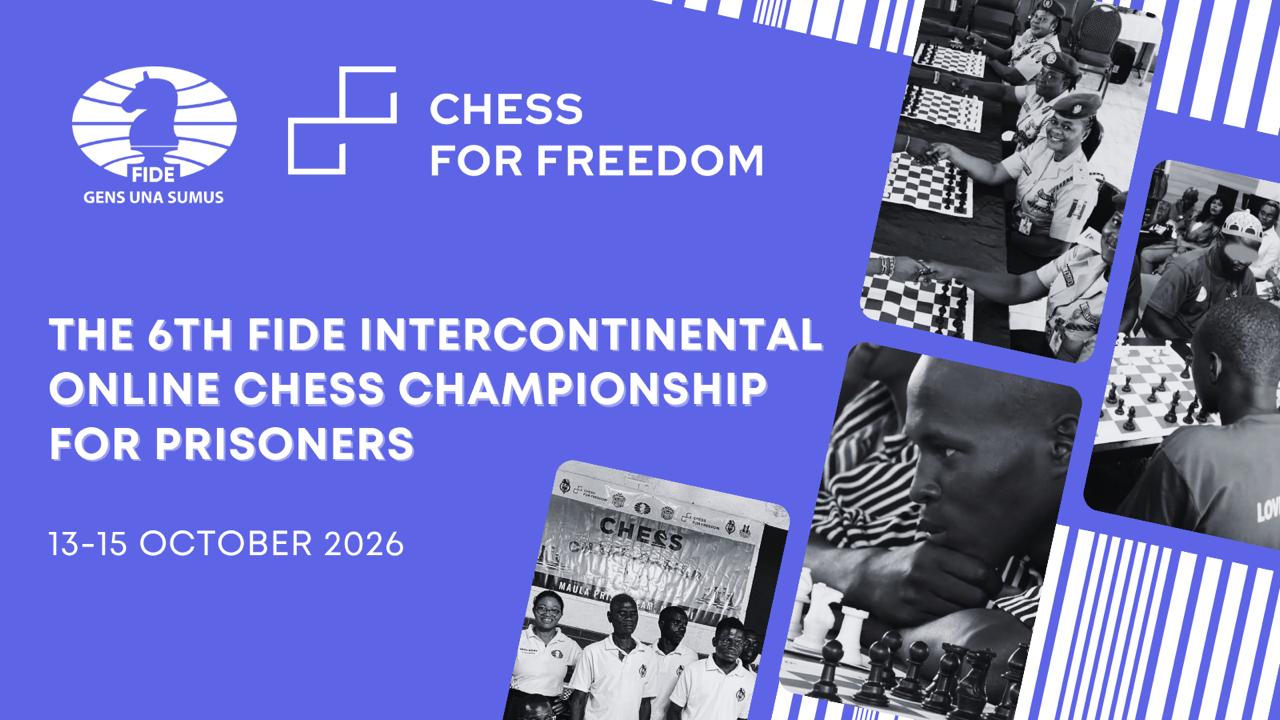
Mexico claimed title in the men’s category, while India earned double gold, winning women’s and youth sections.
The 6th Intercontinental Online Chess Championship for Prisoners concluded on October 15 with tightly contested finals in all three categories. Each final match consisted of two sets with colors reversed. Let’s have a look at how the action unfolded on the final day of the competition.
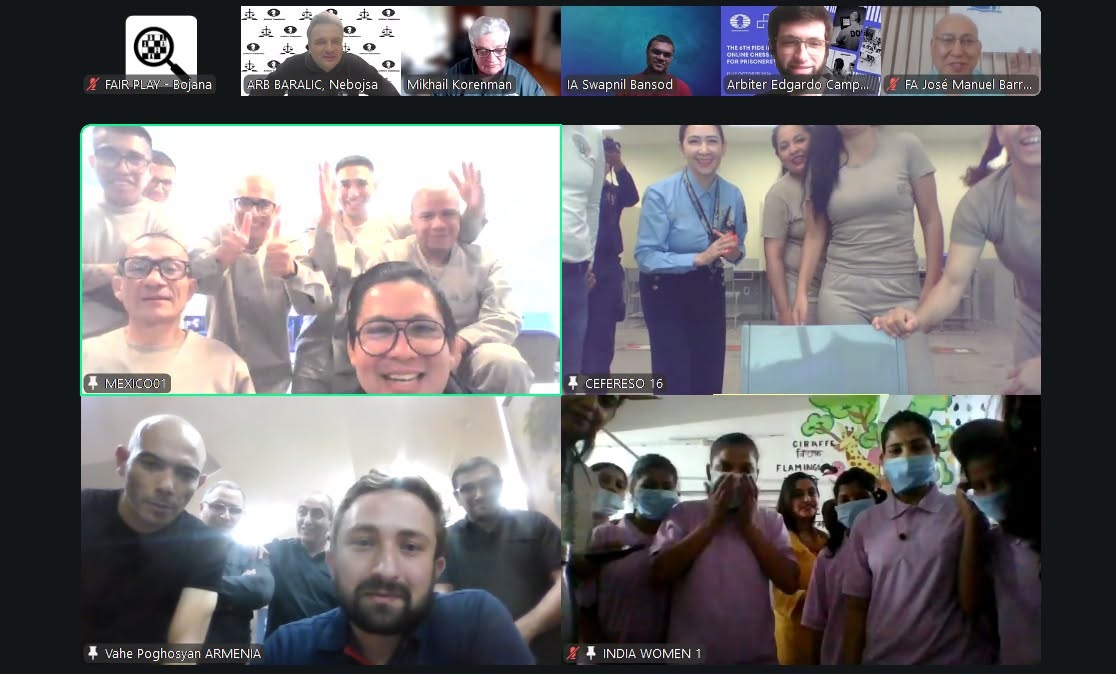
Men’s section final: Mexico – Armenia (2-2 and 3-1)
In the first set Mexico had white pieces on all boards but did not manage to capitalize on the first move advantage. Mexico scored wins on boards two and three, but Armenia struck back on boards one and four, and the set ended in a hard-fought draw 2-2.
Armenia had white in the second set, but somewhat surprisingly, it was all Mexico who prevailed on boards one, two and three in topsy-turvy games. Federal Social Rehabilitation Center number 18 (CEFERESO-18) Coahuila, Mexico, deservedly won the match and captured the title.
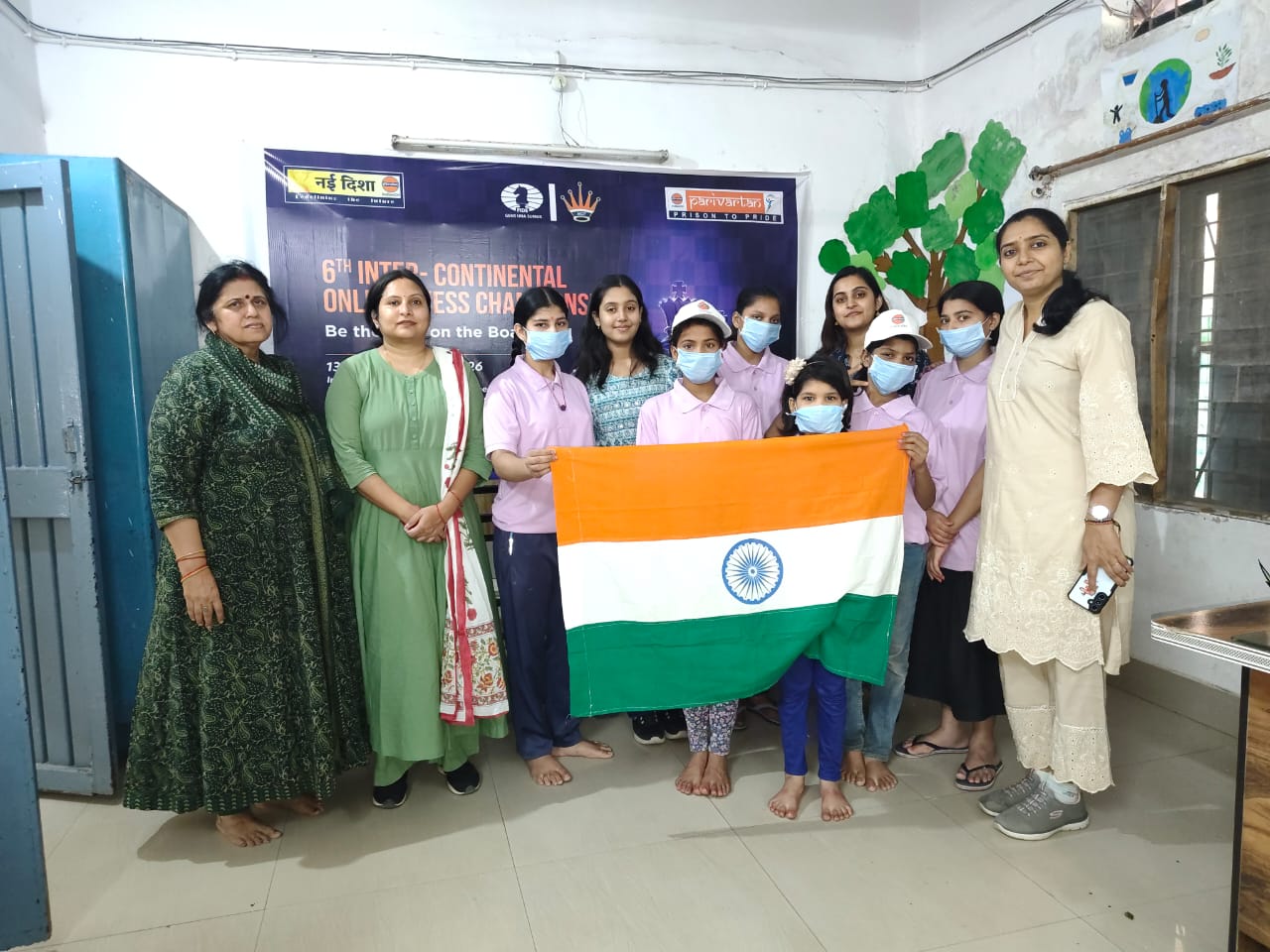
Women’s section final: India – Mexico (4-0 and 4-0)
It was a lopsided final as India (Government Children Home, Bhopal) swept Mexico (Federal Social Rehabilitation Center number 16 (CEFERESO-16) Morelos) in both sets to claim gold.
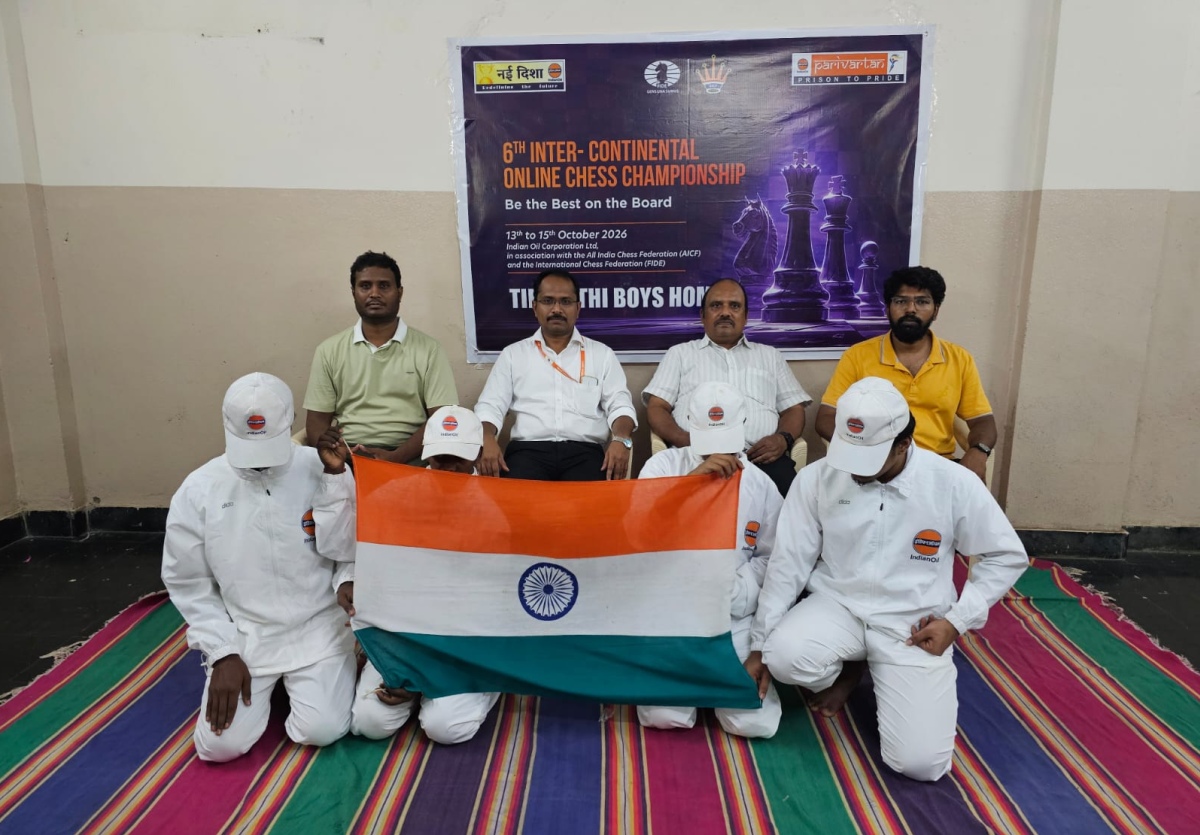
Youth section final (2.5-1.5 and 2-2)
The match was decided in the first set which India narrowly won by 2.5-1.5. In the second set Serbia pushed hard scoring victories on boards one and three, but Indian youngsters retaliated on boards two and four to draw the set and secure the title.
This year’s championship, which allowed correctional facilities separated by thousands of kilometers to meet over the same chessboard, was a great success. The event established a new participation record, with 140 teams from 56 countries taking part. Organised by FIDE and the Cook County (Chicago, IL, USA) Sheriff’s Office, the championship once again demonstrated how chess can be used as an educational and social tool in correctional facilities. Since the first Intercontinental Championship in 2021, the initiative has expanded across six continents, promoting critical thinking, emotional control, teamwork, and skills that support reintegration into society.