

The 6th Intercontinental Online Chess Championship for Prisoners kicked off on October 13, bringing together incarcerated players from around the world for three days of international online competition.
This year’s championship established a new participation record, with 140 teams from 56 countries registered for the event. The championship is held in men’s, women’s, and youth sections, with teams competing across multiple groups and time zones. The time control is 10 minutes + 5 seconds increment, starting from move one.
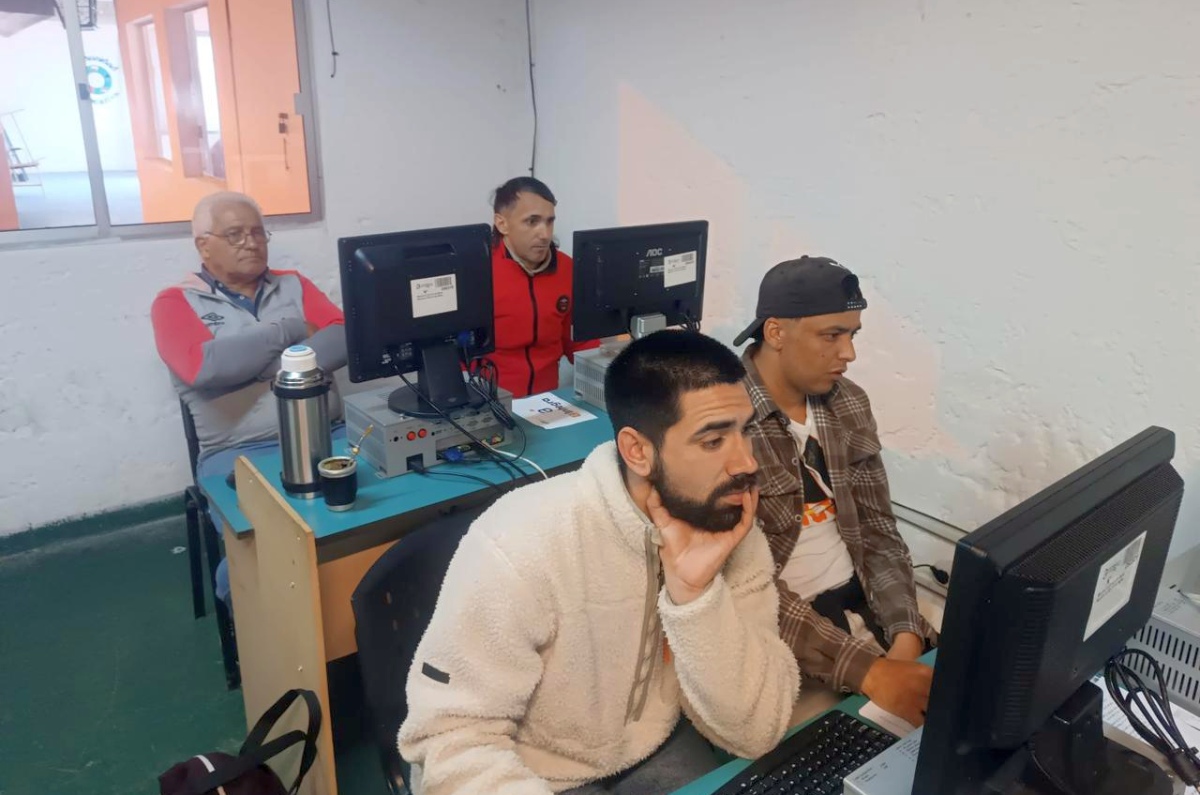
Organised by FIDE and the Cook County (Chicago, IL, USA) Sheriff’s Office, the championship demonstrates how chess can be used as an educational and social tool in correctional facilities. Since the first Intercontinental Championship in 2021, the initiative has expanded across six continents, promoting critical thinking, emotional control, teamwork, and skills that support reintegration into society.
The opening online ceremony featured FIDE President Timur Turlov and Acting Chair of the FIDE Management Board, Dana Reizniece, who warmly welcomed all the participants.
“We all know that in chess, one mistake can change the course of a game. But we also know that one mistake does not necessarily decide the final result. There is always another game to play. Life is much more complicated than chess, of course. But perhaps chess can teach us something important about life: our past moves matter, but they do not have to determine every move that follows,” the FIDE President said.

“You know, a chess game itself is a little bit paradoxical. When you look at the board, it seems to be very restricted or limited. It’s only 64 squares, black and white, and the board itself is not too big. But when you start playing, you understand that the game does not have borders, does not have walls, and does not have limits, and it gives us such a sense of freedom and unity. This is something that I hope you experience and feel at this tournament again,” Dana Reizniece said.
On the first day of the championship, the teams, consisting of four players (with an unlimited number of substitutes), were divided into groups according to their time zones. In the men’s competition, each group of eight teams played a round-robin tournament, with the two best squads qualifying for the Championship Stage. In the women’s and youth sections, the number of teams in each group varied from four to eight.
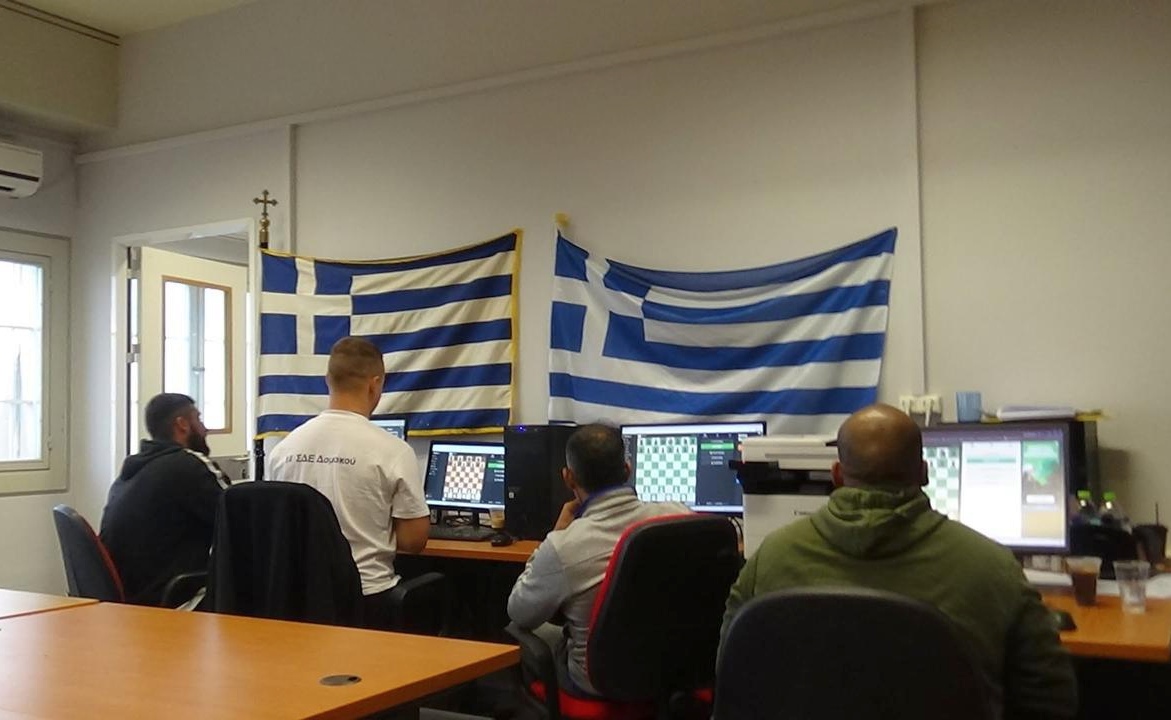
After heated battles on the virtual boards on Day 1, the following teams advanced to the next stage:
Men’s Section
- Group 1: Mongolia 1 and Philippines 3 (Victorias)
- Group 2: India 2 and Mongolia 3
- Group 3: Mongolia 2 and India 1
- Group 4: Ukraine and Serbia 3
- Group 5: Serbia 4 and Slovenia
- Group 6: Zimbabwe and Malawi 2 (Zomba)
- Group 7: Armenia and Romania 2
- Group 8: Latvia 1 and England
- Group 9: Norway 1 (Froland) and Serbia 2
- Group 10: USA – Chicago and Mexico 3
- Group 11: Colombia and Dominican Republic
- Group 12: Mexico 1 and Argentina
Notably, Mongolia 1, Ukraine, Serbia 4, Armenia, Colombia, and Mexico 1 achieved a perfect match score, winning all their Day 1 matches.
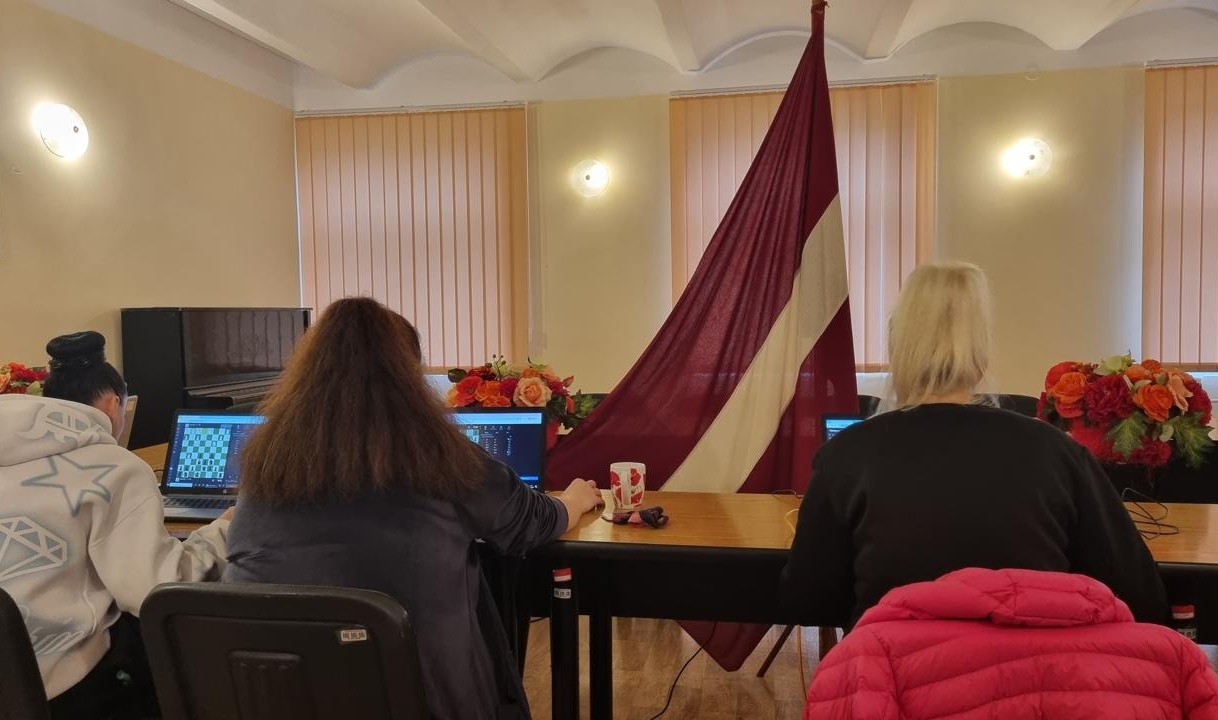
Women’s Section
- Group 1: India 1 and Mongolia
- Group 2: Malawi and Zimbabwe
- Group 3: Ukraine and Georgia 1
- Group 4: USA – KS – Topeka and Guyana
India dominated its group, sweeping all its matches, while Ukraine dropped just half a point across twelve games.
Youth Section
- Group 1: India 1 and India 3
- Group 2: Malawi 2 and Serbia
- Group 3: Ukraine and Ghana
- Group 4: Ecuador 3 and Ecuador 1
- Group 5: Ecuador 5 and USA
Malawi 2, Ecuador 3, and Ecuador 5 delivered dominant performances, winning all their matches.
Susan Namangale, Councillor of the FIDE Planning and Development Commission, who visited one of the facilities, shared her impressions of the Malawian teams’ results on the first day of the competition.
“I am glad that three teams qualified for the quarterfinals, with Bvumbwe Youth finishing in 1st position in their group, beating Romania, Serbia, and Kenya. Zomba finished second, beating all teams and only losing to Zimbabwe in their group, while Kachere Women only lost to Romania, emerging in 2nd position. Thank you, Airtel Malawi, for supporting the event with internet; Ray Cee Tech for subsidising the hiring cost for the laptops; Malawi Prisons Service for the logistics and all support to bring the Mzimba and Kachere teams; all the prison patrons who worked hard; and my team for a good job. I am very proud of building this program from nothing to what it is now.”
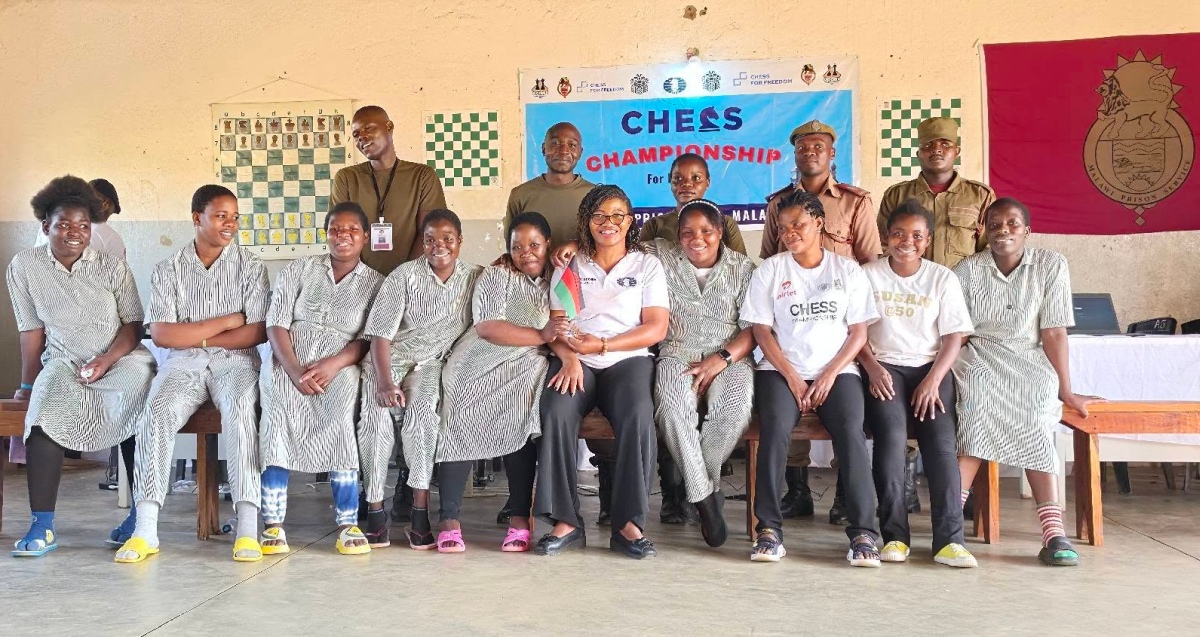
Malawi is among the countries with the highest number of registered teams, both in Africa and across the globe, demonstrating the growing interest in chess within correctional facilities.
The Championship Round (quarterfinals) promises more tightly contested matches and exciting games. The top two teams from each of the two groups in each section will advance to the finals, while the second-place finishers will play for bronze.