

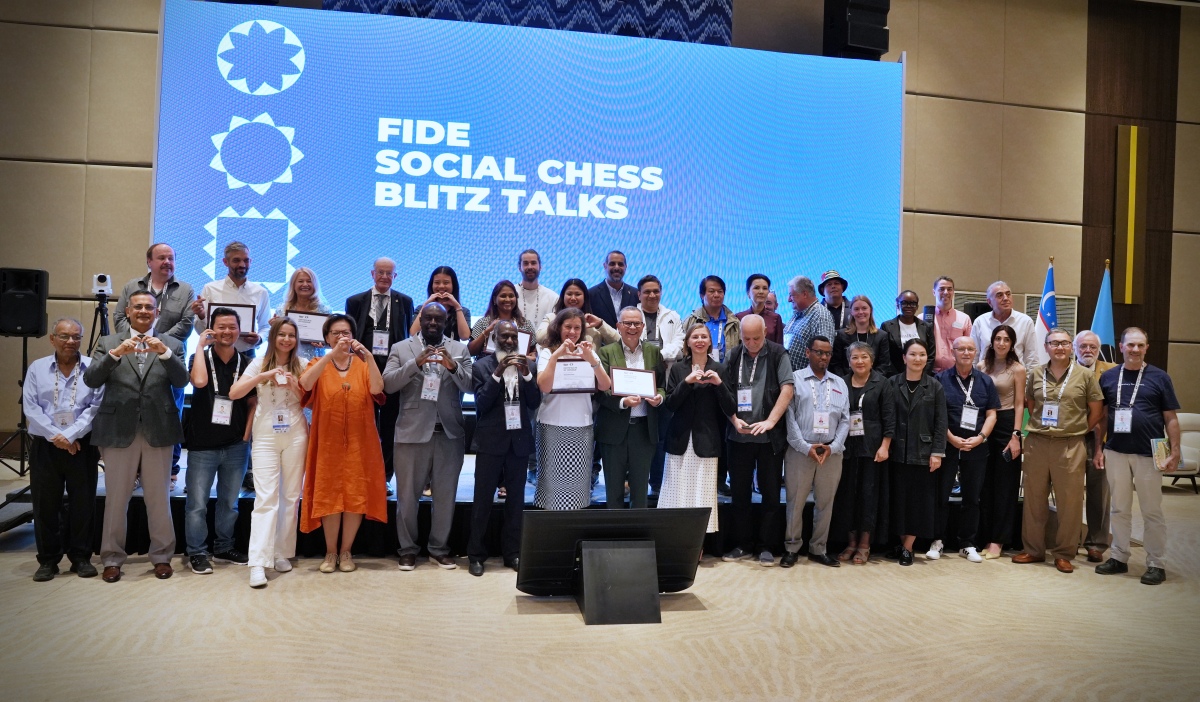
How can 64 squares become a space for freedom, rehabilitation, communication and human connection? This question was at the heart of the Social Chess Blitz Talks, a new format presented in Samarkand by the FIDE Social Commission.
Hosted by Maria Tamkovich, Secretary of the FIDE Social Commission, the session brought together six speakers for a series of short, personal talks highlighting the impact chess can have far beyond competition. From prisons and refugee camps to rehabilitation centres and classrooms, the speakers shared stories of people finding connection, purpose and agency through the game.
The event opened with André Vögtlin, Chair of the FIDE Social Commission, who introduced the experimental “Blitz Talk” format: short, focused presentations inspired by the idea of delivering one meaningful message in just a few minutes. The official program described the session as an opportunity to hear “real human stories of transformation,” rather than statistics.
Sixty-four squares of freedom
In his own talk, Vögtlin explored an apparent contradiction: a chessboard is one of the most restricted spaces imaginable – just 64 squares, fixed rules and clear boundaries – yet within those boundaries people can experience a powerful sense of freedom.
He recalled a participant in a prison chess program who, when asked what chess had changed for him, responded not simply that chess made him feel free, but: “I’m freedom, freedom itself.”
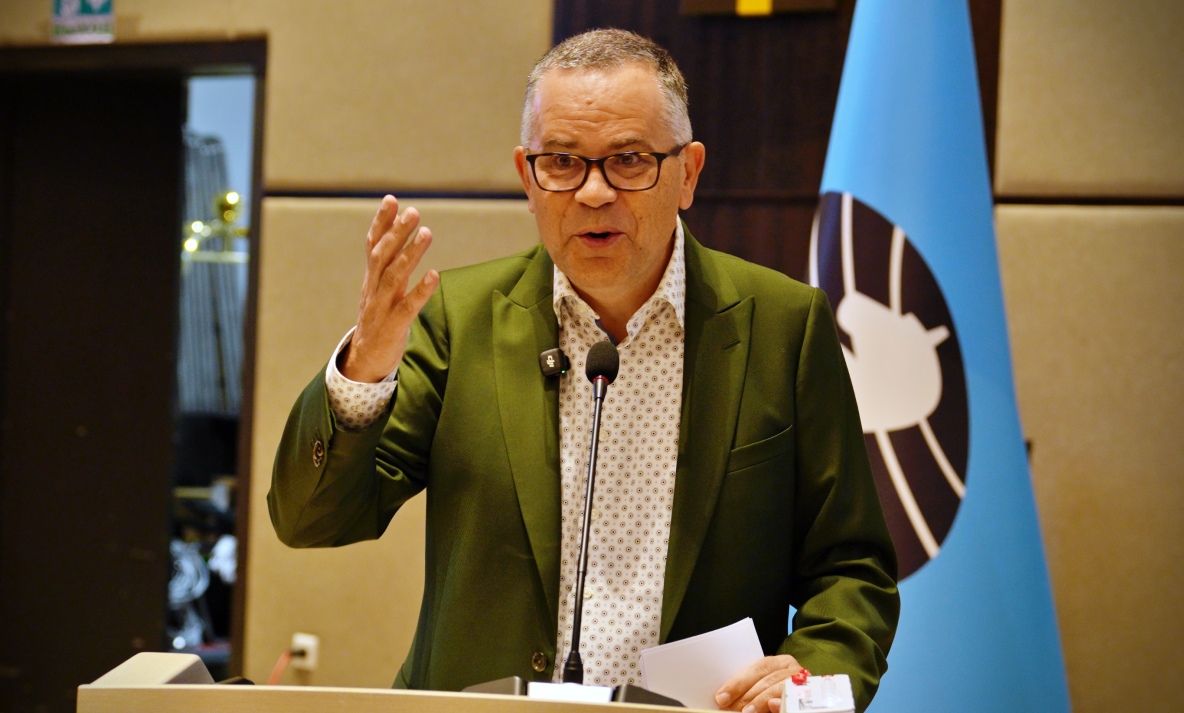
Vögtlin connected this experience with FIDE Social Commission projects involving prisoners, refugees, seniors and other groups facing different forms of isolation. On the chessboard, he argued, circumstances may remain unchanged, but a person still has the possibility to choose, think independently and take responsibility for a decision.
“There is always a move to make”
Dana Reizniece, Acting Chair of the FIDE Management Board, continued with stories drawn from social chess initiatives around the world. She recalled bringing chess into a prison in Latvia, where an initially skeptical atmosphere changed once the games began: jokes and noise gave way to concentration, respect and eventually trust. Prison officers who once viewed the initiative cautiously later found themselves supporting the players and rooting for their teams.
Reizniece also spoke about working with children with autism, seniors and refugees. She recalled her own visit to the Kakuma refugee camp in Kenya and reflected on how it changed her understanding of hardship and opportunity.
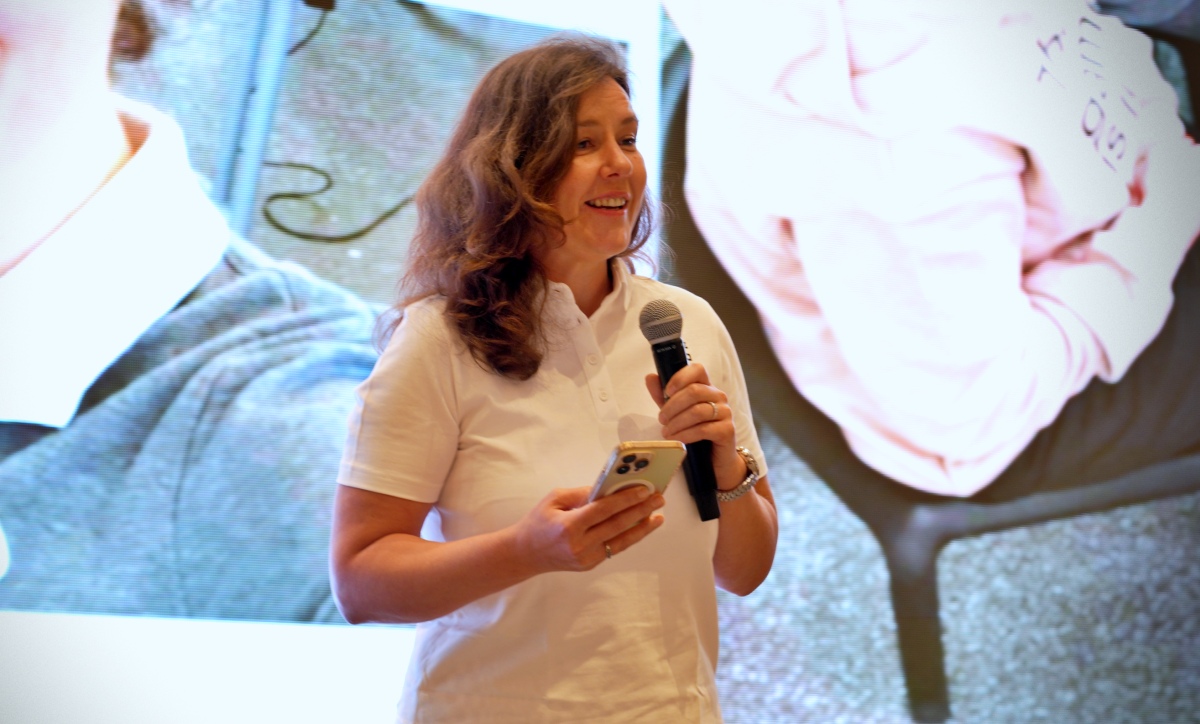
For her, the strength of social chess lies not in claiming that the game can magically solve difficult circumstances, but in giving people a space in which they can participate, connect and make their own decisions.
“Professional chess touches the brain, but social chess touches the heart and the soul.”
She concluded with a simple message: “There is always a move to make.”
From personal success to purpose
Dr. Das Mukesh, FIDE Social Commission Ambassador and former Executive Director of Indian Oil Corporation, focused on the relationship between a positive mindset and a purposeful one.
Drawing on his work with chess programs in Indian prisons, he shared the story of a prisoner serving a life sentence whose involvement with chess developed into competitive achievements and coaching. For Mukesh, the story illustrated how personal transformation can develop further into contribution to others.
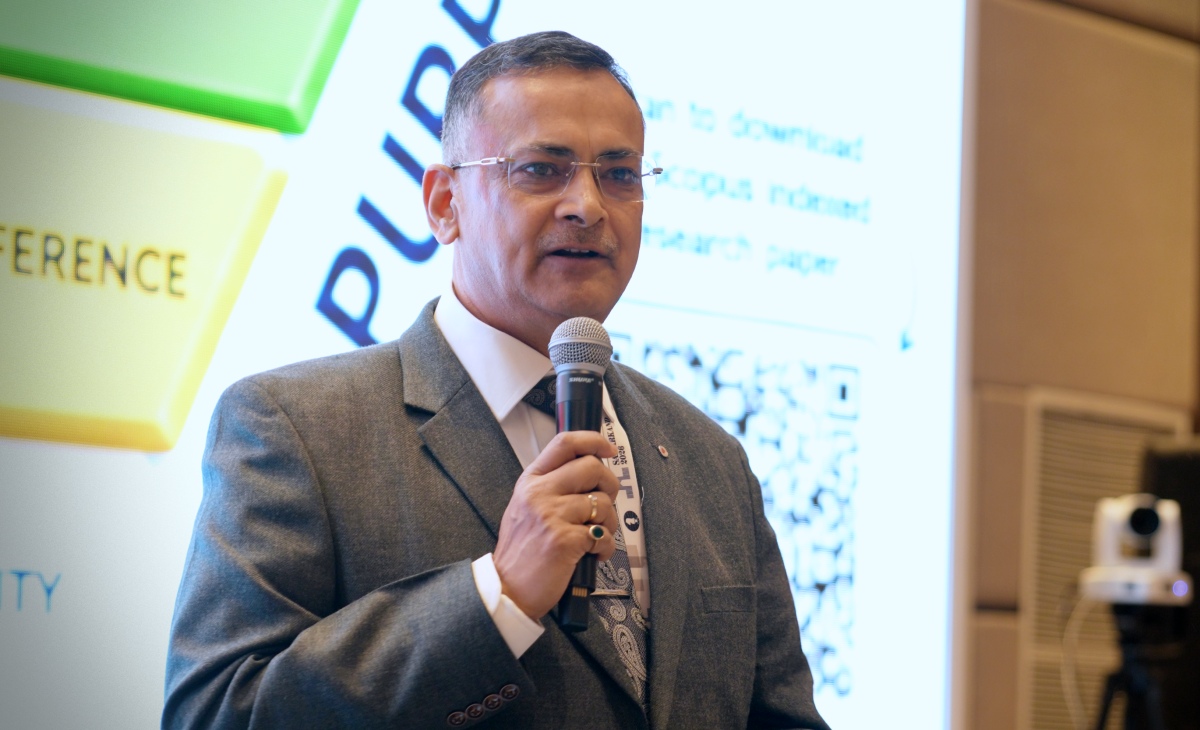
He presented his concept of moving from “me” to “purpose”: from receiving from society and pursuing individual success toward giving back and finding meaning in the success of others.
His central message was that contribution does not have to wait until someone has achieved ideal circumstances. At every stage of life, he argued, there is an opportunity to help another person — whether through a small act, community work or eventually building initiatives capable of wider impact.
When the chessboard becomes a language
Prabitha Urwyler, FIDE Social Commission Councilor, Treasurer of the European Chess Union and Board member of the Swiss Chess Federation, shared an experience from a social rehabilitation centre in Bulgaria.
There she saw therapists using chess not primarily to teach the game, but to help people experiencing psychological crises communicate situations they struggled to express in words.
A position on the board could become a representation of a real-life problem: If a piece is under threat, what can it do? Move away? Protect itself? Find another possibility? Ask for help? The same questions could then be transferred to life.
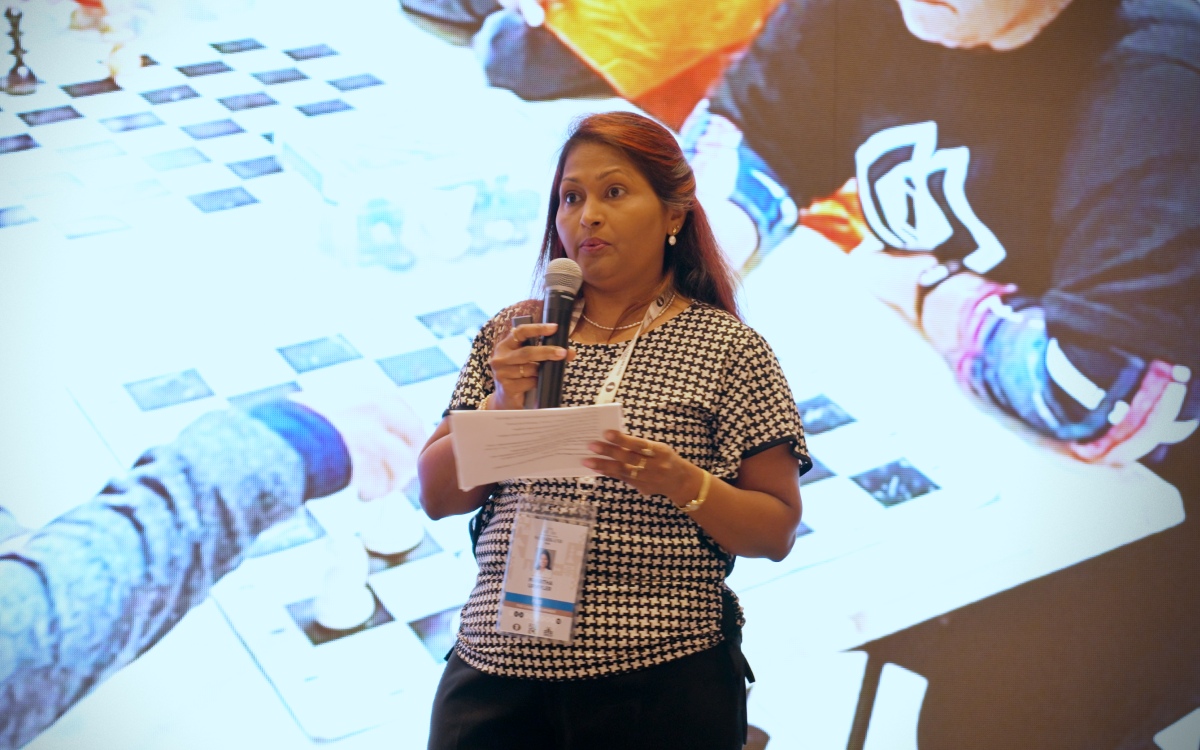
“What if the value of chess is sometimes not in learning to play chess at all?”
For Urwyler, the experience transformed the chessboard into a language – a physical space where a difficult situation could be placed in front of someone, examined and changed.
She left the audience with a question: “What else can these 64 squares become?”
Chess as a social bridge
Magnus Wolfe Murray, founder and Executive Director of Movement in Refuge, turned the discussion toward displacement, migration and young people.
Drawing on his experiences with refugee communities, he contrasted the isolation faced by displaced children with another kind of isolation experienced by some young people in more stable societies. Their circumstances may be radically different, he stressed, but both can lack meaningful contact with people outside their immediate worlds.
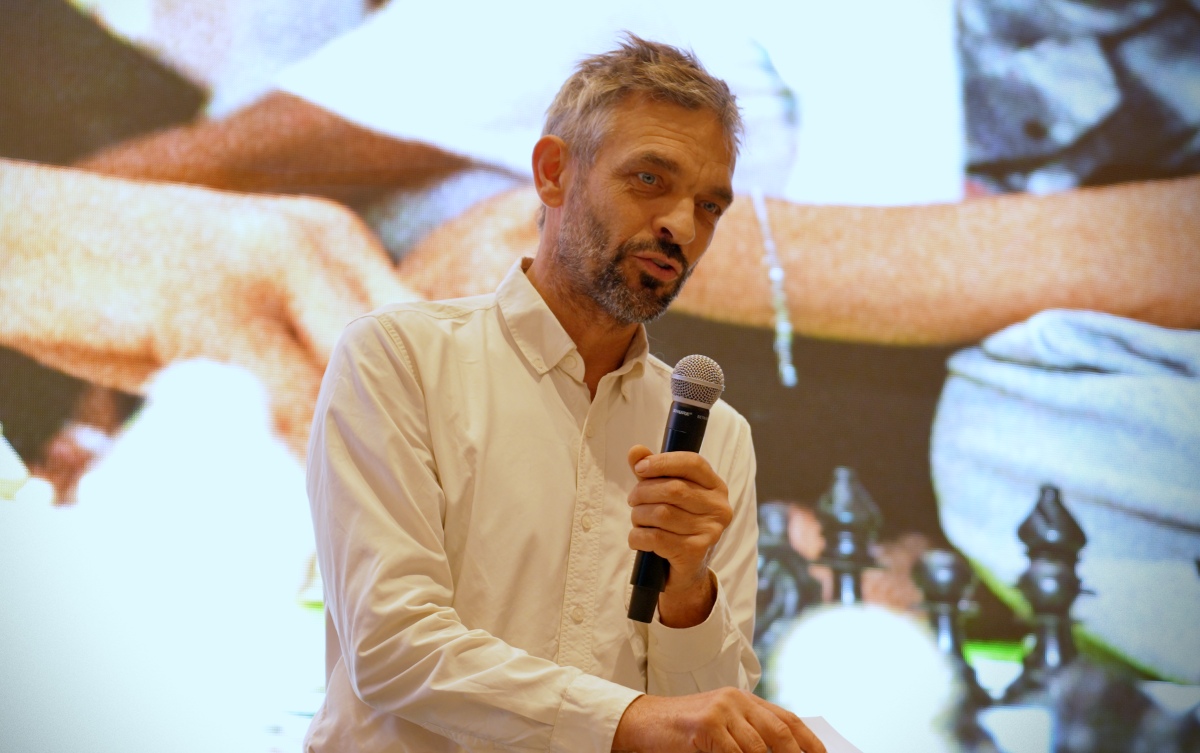
Chess, he suggested, offers an unusual bridge: it requires little equipment, can cross language barriers and allows two people from completely different circumstances to meet as equals across the same board.
“This is not about charity on one side and not on the other. It’s two equals, two opponents, two people who matter to each other.”
He stressed that chess cannot solve the global migration crisis, but it can create individual connections – and those connections can matter.
The suitcase that carried a life
The final Blitz Talk came from Dijana Dengler, Head of Chess at Overseas Family School in Singapore, whose story began with a suitcase.
As a young chess player living in Sarajevo, she packed for what she believed would be a four-day tournament: clothes, shoes, two chess books and a chessboard. Then war broke out, and she could not return home.
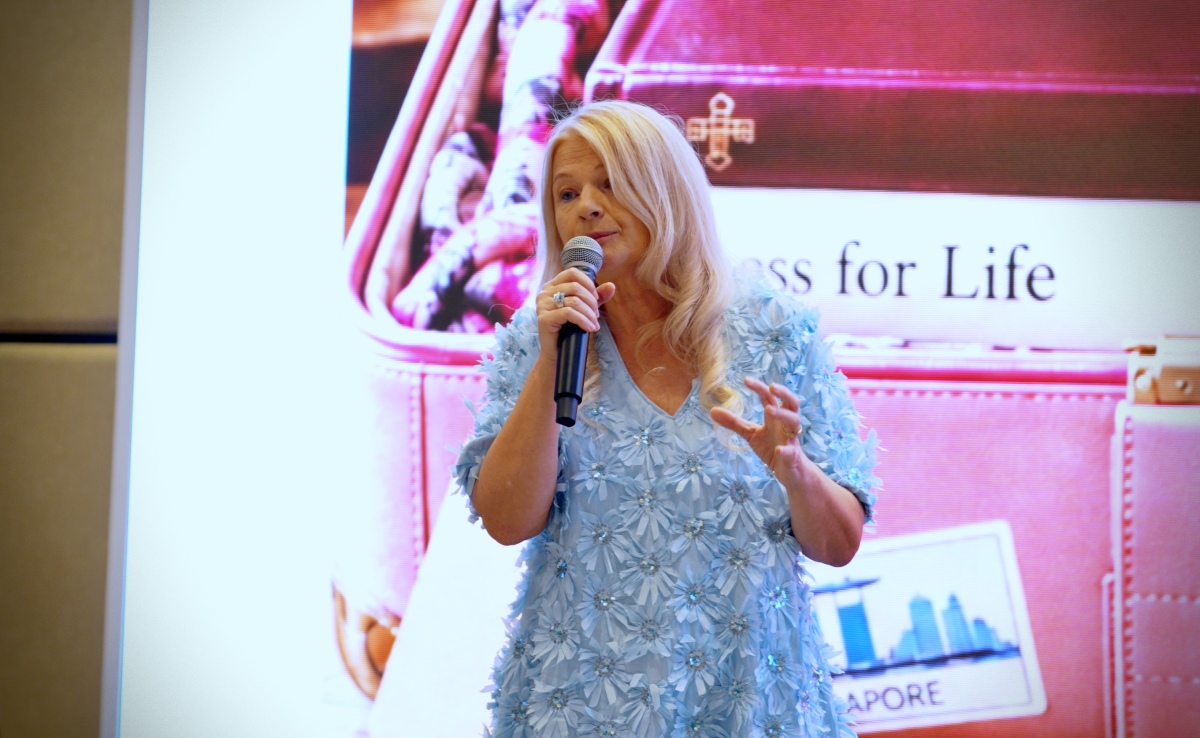
Her suitcase took her to Germany, where she did not speak the language and knew no one. Amid that uncertainty, chess was the one thing that remained familiar.
“The pieces were the same, the rules were the same, and somehow those 64 squares gave me something stable when everything else had changed.”
Chess helped her find friends, community and eventually a new direction in life. Her journey later led to the Munich Chess Academy and Munich Chess Foundation, work with children and vulnerable groups, and ultimately Singapore.
She closed by returning to the image of the suitcase:
“Next time when you pack your suitcase, ask yourself one more question. Not only: ‘What am I taking with me?’ but also: ‘What am I carrying with me that might one day carry me?’ For me, it was a chessboard, and it still carries me.”
Celebrating those who make the moves
Following the talks, the program moved from storytelling to recognition. Dana Reizniece, Dr Das Mukesh, Magnus Wolfe Murray, Prabitha Urwyler, Dijana Dengler and André Vögtlin were honoured for their contributions.
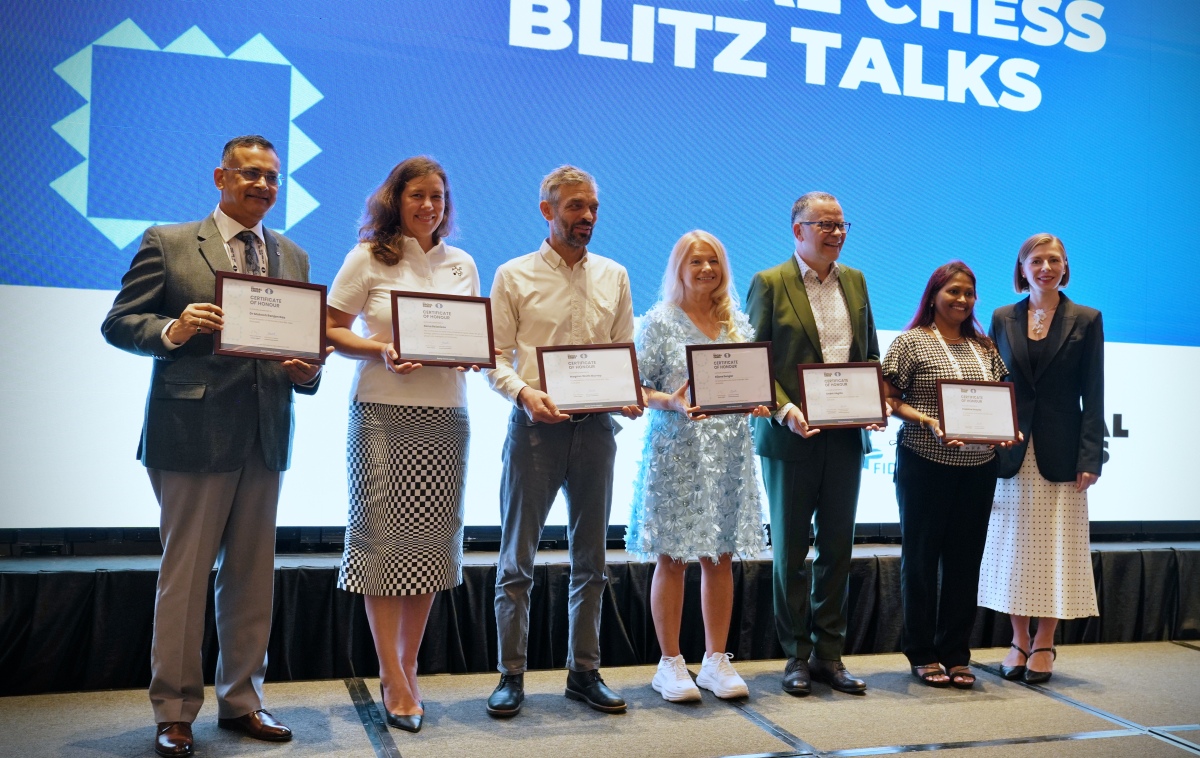
The ceremony also returned to the FIDE Social Chess Storytelling Challenge, celebrating stories that demonstrate the human impact of chess.
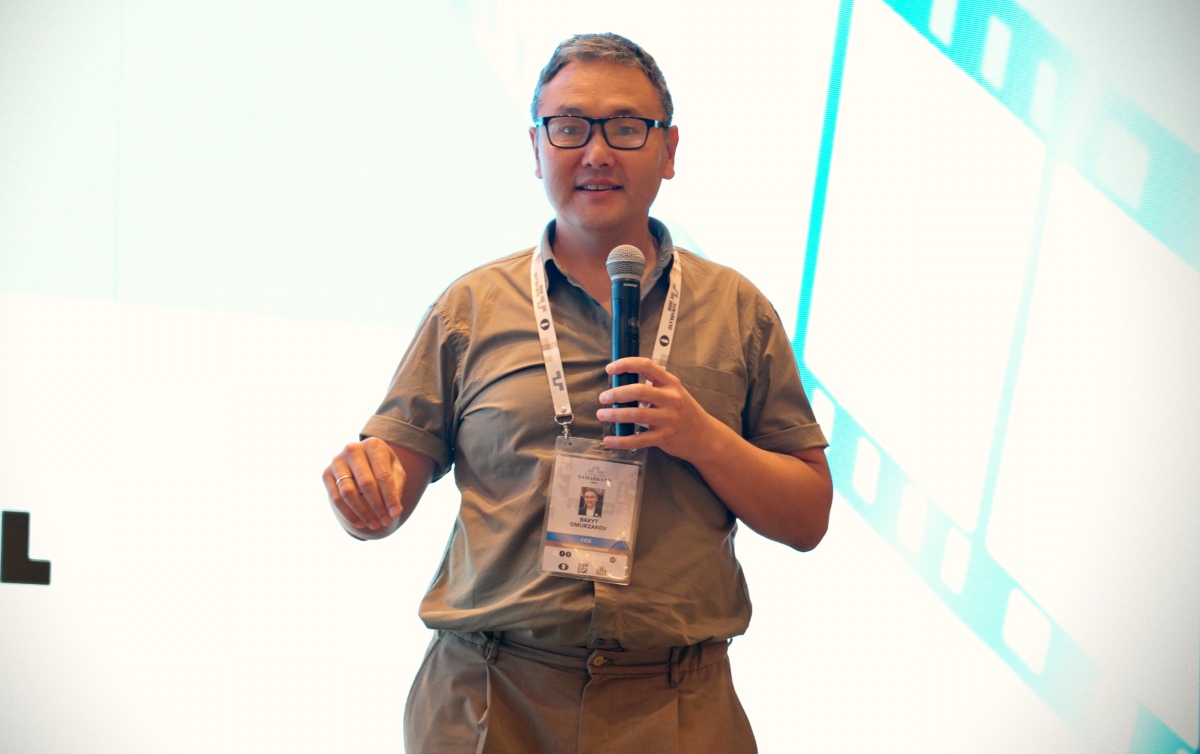
A particularly emotional moment was the presentation of the Special Jury Choice Award for “Cost of Care,” by Bakyt Omurzakov and Dariia Burebekova, telling the story of Daria, a young chess player from Kyrgyzstan living with cerebral palsy.
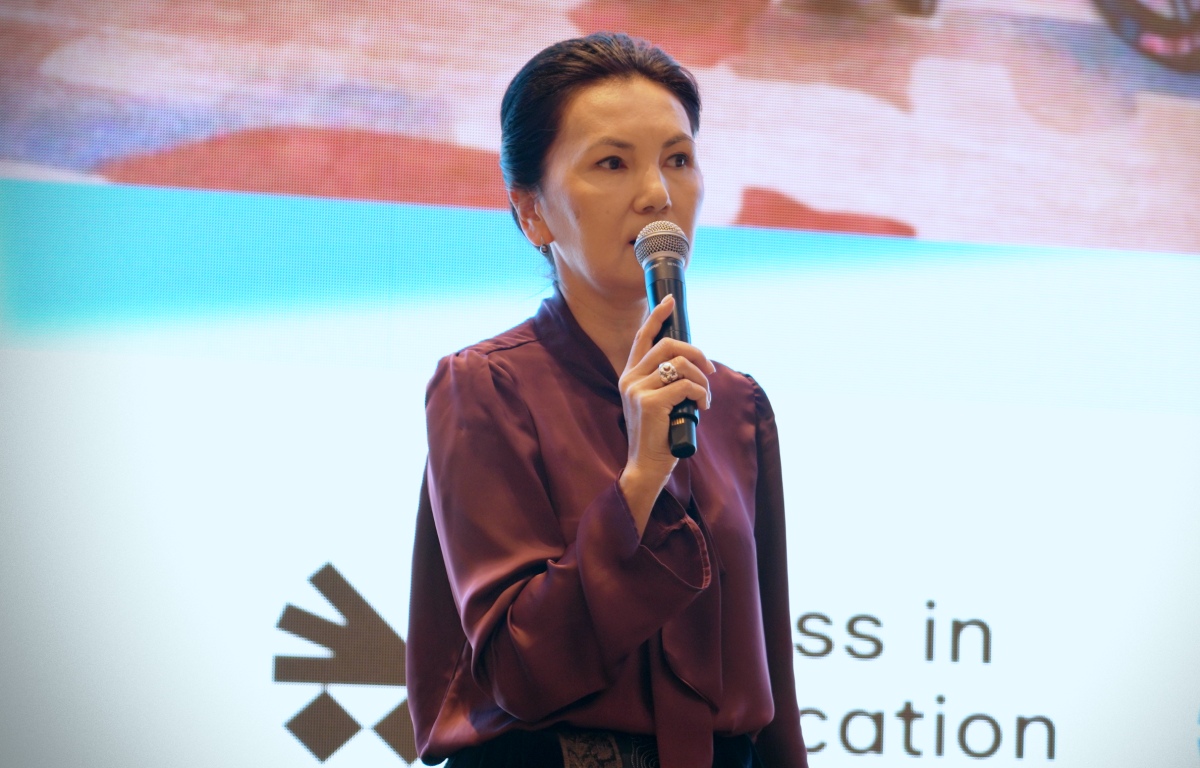
Aida Salyanova, President of the Kyrgyz Chess Union, addressed the audience and described children such as Daria not through their limitations, but through their extraordinary strength of spirit, character and will. She highlighted Daria’s achievements as a seven-time champion of Kyrgyzstan and a multiple medalist at Asian championships, while also recognizing the family support behind her journey.
The Social Chess Blitz Talks concluded with the message that ran through all six stories: social chess is ultimately not about what happens on 64 squares alone, but about what becomes possible after people leave the board.
The board is set, the pieces are in place – and the next move is yours.
Written by Angelika Valkova