

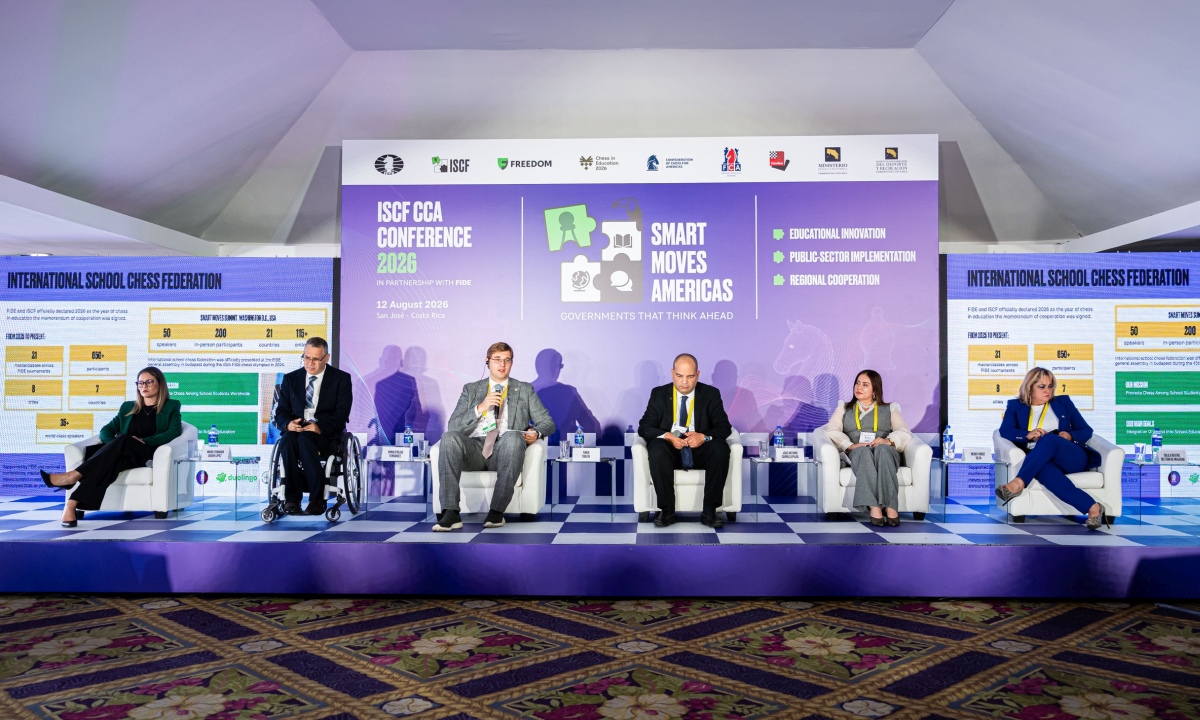
While the first moves were being made at the World Schools Team Championship, a second conversation was taking place a short distance away. At the Cariari Country Club in Heredia, ministers of education and sport, government officials, federation presidents and school leaders from across the Americas gathered for “Smart Moves Americas: Governments That Think Ahead”, the ISCF and CCA conference on chess as public policy.
Costa Rica was a natural place to hold the conversation. In 2022 the country passed Law No. 10187, establishing chess instruction in public schools as a matter of national significance, and the current Chess in Education 2026 initiative has taken that statute into practice with a pilot programme in ten government schools, supported by FIDE, the CCA and the Ministry of Public Education.
From vision to national action
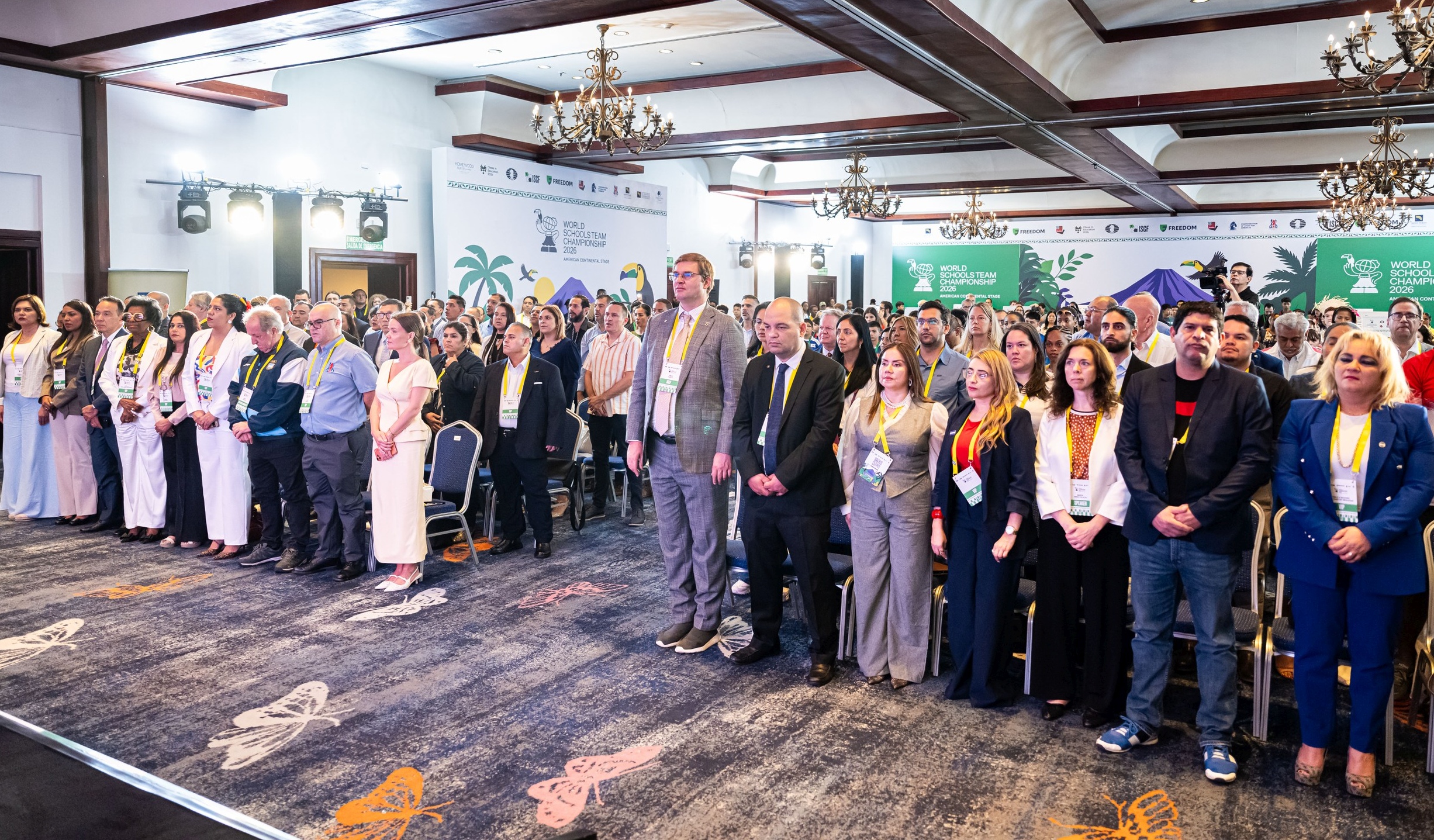
The programme opened with a high-level panel on turning educational policy into practice:
– Jeffry Mauricio Umaña Avendaño, First Gentleman of Costa Rica
– Leonardo Sánchez Hernández, Minister of Public Education, Costa Rica
– María Alexandra Ulate Espinoza, Academic Vice Minister, Ministry of Public Education (MEP), Costa Rica
– Timur Turlov, President of the ISCF and CEO of Freedom Holding
– José Antonio Carrillo Pujol, President, FIDE Americas (CCA)
– Mendy Aráuz Silva, Minister of Education of the Republic of Nicaragua
– Dalila Beatriz Beltrán de Menjívar, National Director of School Coexistence, MINEDUCYT, El Salvador
Mendy Aráuz Silva described how Nicaragua has built chess into public education as a pedagogical tool rather than an extracurricular one. In 2026 the country reopened 2,503 primary school and 825 secondary school chess clubs, involving 41,688 students. It distributed 10,000 methodological guides and 1,700 chess kits and now trains teachers, advisers and instructors nationwide. The case she made for it was not competitive but cognitive and social: logical thinking, concentration, discipline and respectful coexistence.
Dalila Beatriz Beltrán de Menjívar took a similar line from El Salvador, presenting chess as a tool that goes well beyond competition. In her account it belongs in the school as a way of strengthening coexistence and the values that hold a classroom together, among them respect, self-control, empathy and the peaceful resolution of conflict, with plans to widen the programme to more schools and communities across the country.
“Chess in Education” School Awards
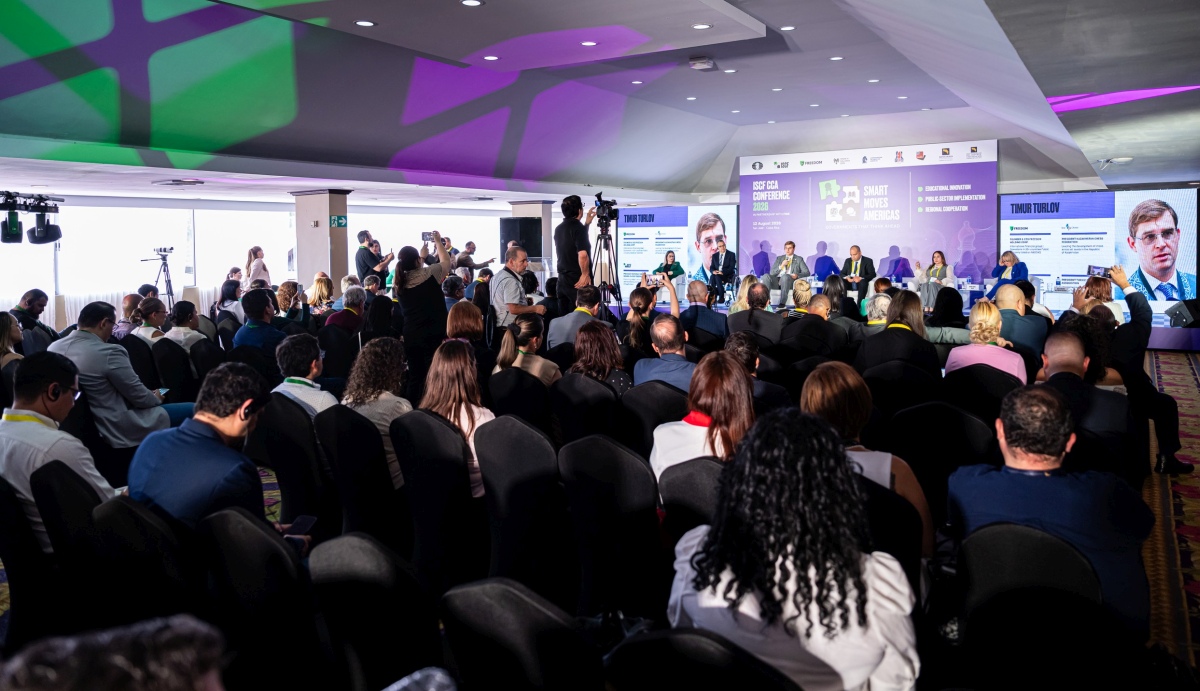
The panel was followed by the “Chess in Education” School Awards, recognising schools leading the way in chess education. The honours went to GSD International School Costa Rica in La Guácima, Alajuela; to Escuela Lepanto in the Peninsular regional education directorate; and to Escuela Las Lagunas in Pérez Zeledón. They were presented by Luis Eduardo Quirós Rojas, President of the Costa Rican Chess Federation, together with Timur Turlov.
The conference also saw the signing of a Memorandum of Understanding among the participating ministries, FIDE, the ISCF and the CCA, setting out a shared roadmap for chess in education across the region.
Playing the long game
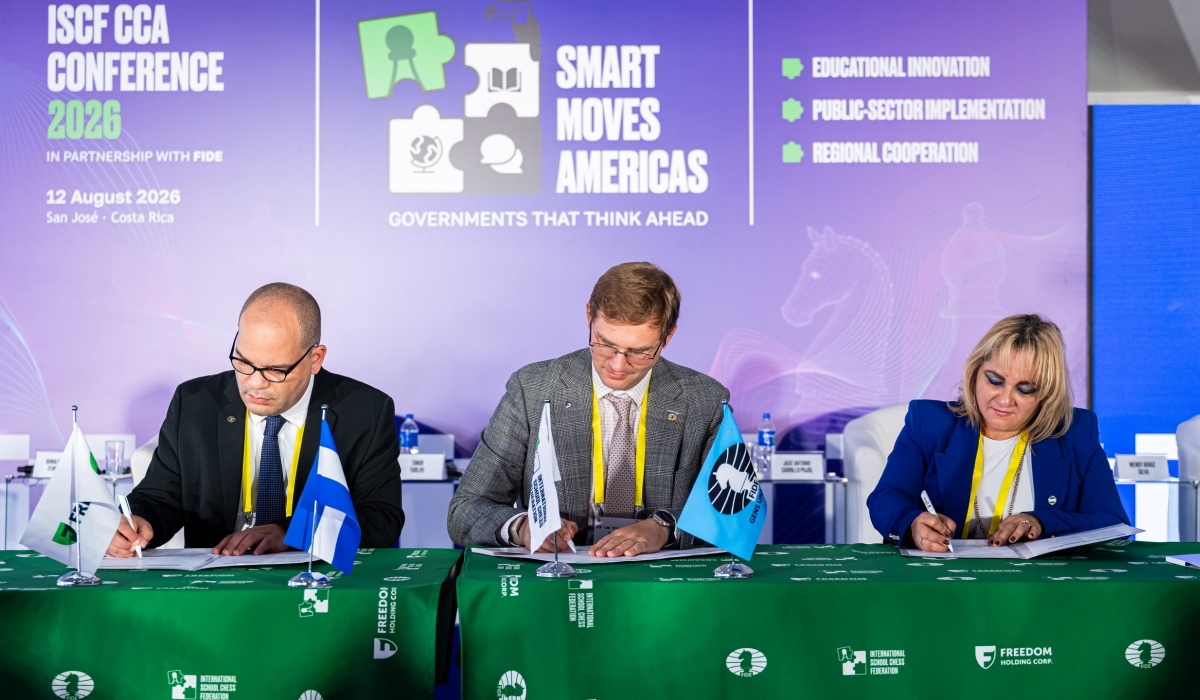
The dialogue continued with a round table on what it takes for a programme to last beyond a single administration:
– Mauricio Arias Santana, moderator
– Robert McLellan, Interim Executive Director, National Scholastic Chess Foundation
– Andrea Marshall-Harris, International Director, Barbados Chess Federation
– Milagros Ibáñez, General Director of Complementary Education, Municipality of Vicente López, Argentina
– Dilda Nauryzbayeva, Director of Educational Projects, International School Chess Federation
One board, millions of classrooms.
The programme closed with a panel on scaling chess as an educational tool:
– Dr. Amelia Hernández, moderator
– Natalia Lobo, President of the Education Commission, Costa Rican Chess Federation
– Marta Amigó Vilalta, Coordinator of the “Chess in School” project, Catalonia
– Mery Lizbeth Del Carmen Ceballos Rodríguez, Co-founder, Chess Logistic
Speaking at the conference, ISCF President Timur Turlov tied the championship’s purpose to Costa Rica’s own history:
“Almost 80 years ago, Costa Rica did something unthinkable: it abolished its army and sent that money to schools and hospitals. This country bet on something stronger than any weapon, on an educated person. Today we continue that same conversation, with a sharper question: what exactly should a school teach so that a child grows up thinking? Our answer is right here, at these boards.”
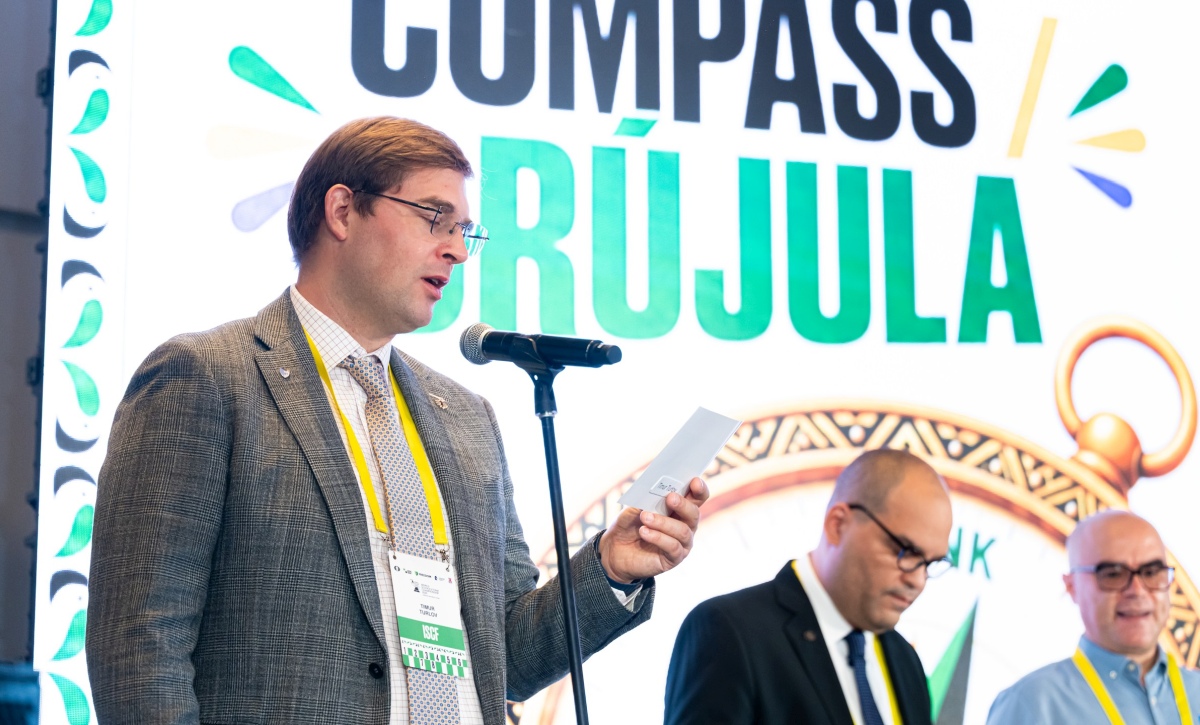
The organisers set out the aim of the day as a shared roadmap for expanding chess in education across the Americas, supported by new partnerships, practical priorities and coordinated regional action.
The American continental stage of the World Schools Team Championship continues at the DoubleTree by Hilton Cariari, where the teams these policies are written for were spending the day at the boards.