

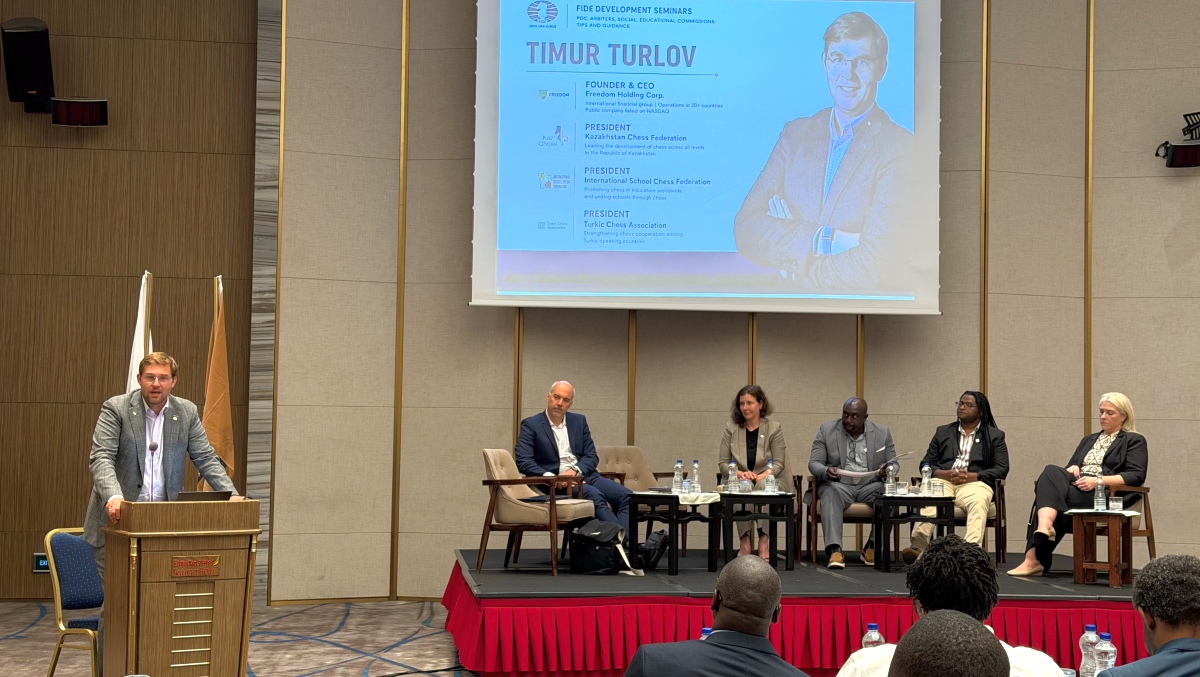
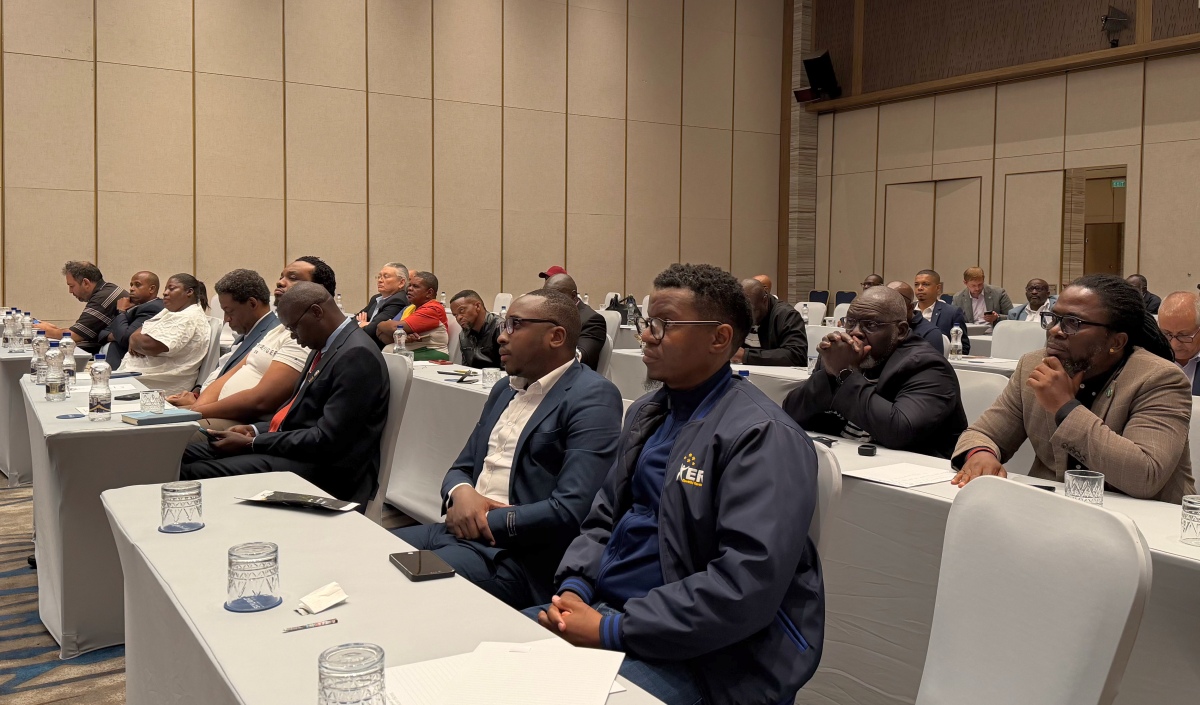
In the framework of the African Chess Confederation (ACC) General Assembly in Addis Ababa, Ethiopia, FIDE organised a Capacity Building Seminar for national chess federations across the continent. The seminar brought together FIDE officials, Commission Chairs and Secretaries, representatives of affiliated organisations, ACC delegates, federation presidents and national federation officials to exchange knowledge and best practices on strengthening chess administration and development. The programme covered a broad range of topics, including federation governance, strategic planning, access to FIDE development funding, Chess in Education, training of arbiters and chess managers, women’s empowerment, and other initiatives aimed at strengthening national chess ecosystems. The Capacity Building Seminar is designed to provide federation leaders with practical tools and proven approaches that can be adapted to their local needs.
FIDE’s commitment to developing national federations
Dana Reizniece, Acting Chair of the FIDE Management Board, presented the federation’s global development programmes, including the Development Fund, capacity-building initiatives, and social and educational projects.
“In 2026, FIDE has 204 national chess federations as its members, 135 of which belong to Levels 3 to 5 – the developing federations. To ensure the global growth of chess, FIDE provides services and support to federations, professionals and the worldwide chess community, helping to develop chess at every level through funding, education, capacity building and social initiatives.”
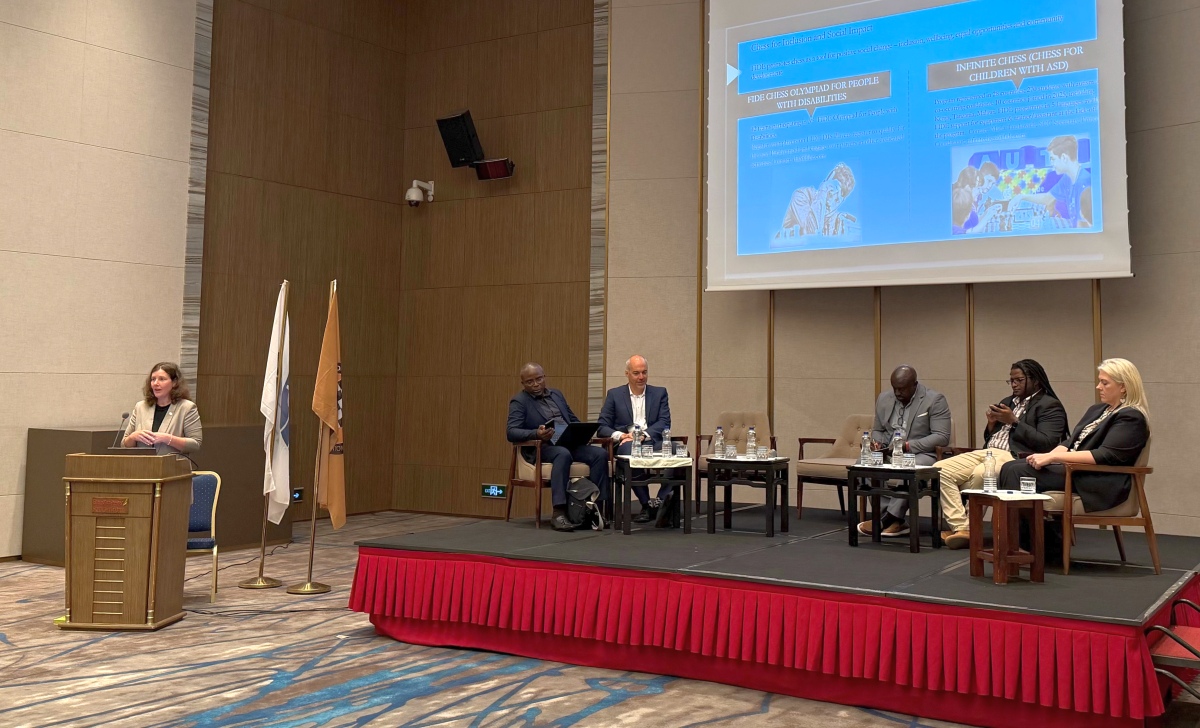
She emphasized that the overarching objective of FIDE’s development work is to build stronger federations, empower chess professionals and grow the global chess community. Between 2019 and 2025, the FIDE Development Fund invested €9.39 million in continental and zonal events, chess equipment, educational initiatives, social programmes, training and other projects designed to strengthen chess structures around the world.
Reizniece also highlighted FIDE’s extensive Olympiad Support Programmes. Since 2022, travel subsidies for the Chess Olympiads and Chess Olympiads for People with Disabilities have exceeded €8 million, helping developing federations participate in FIDE’s flagship events. Other initiatives include: Olympiad Trainers Support Programme, offering free online and on-site coaching; ChessMoms, supporting players competing with young children; the Queens’ Gambit Challenge, which has provided free training for 480 female players from 50 countries to help establish and strengthen new women’s national teams, and others.
Kazakhstan as a model for chess development
Timur Turlov, President of the Kazakhstan Chess Federation and President of the International School Chess Federation, presented Kazakhstan’s experience as an example of a successful national development strategy. “The experience of the Kazakhstan Chess Federation shows what is possible when there is a clear vision and consistent execution. This is a practical model that can be adapted and scaled globally. We can offer a proven, measurable and replicable approach that empowers every federation to grow.”
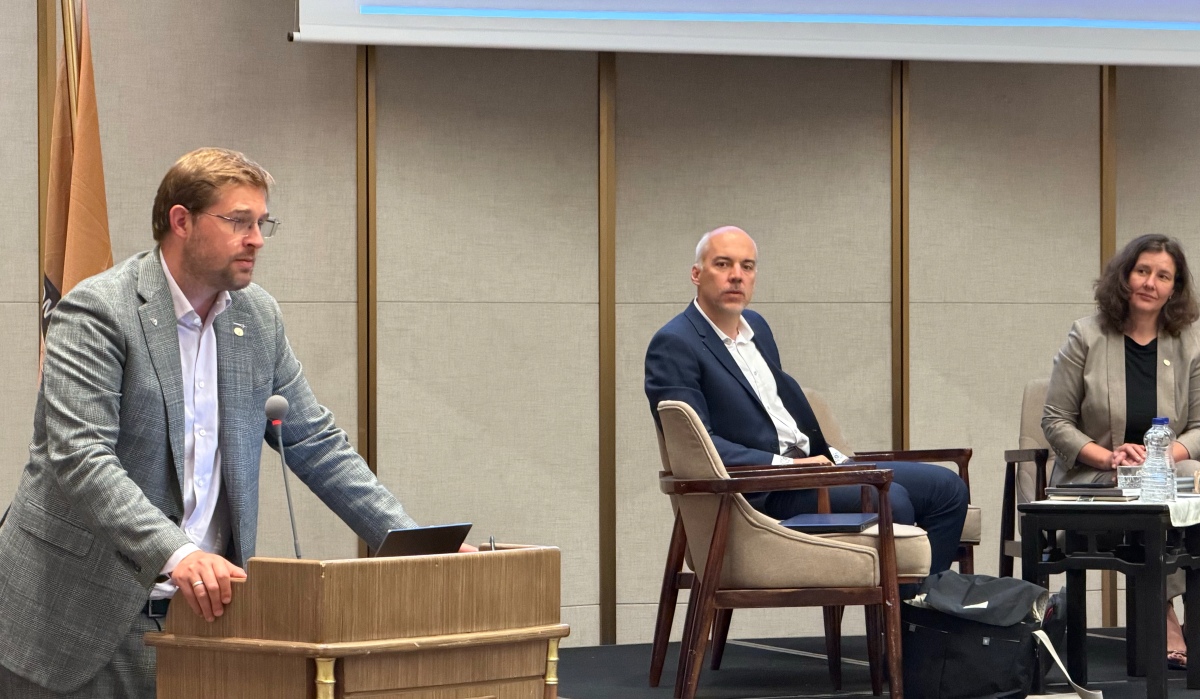
He highlighted Kazakhstan’s remarkable progress in recent years. Since 2023, the country has become home to one of the world’s strongest youth national teams and has achieved a series of historic sporting successes, including:
- Women’s Chess Olympiad silver medallists at Budapest 2024
- World Junior Champion (Open Under-20)
- Three Women’s World Blitz Championship titles
- Silver medals at the World Rapid & Blitz Team Championship
Expanding Chess in Education
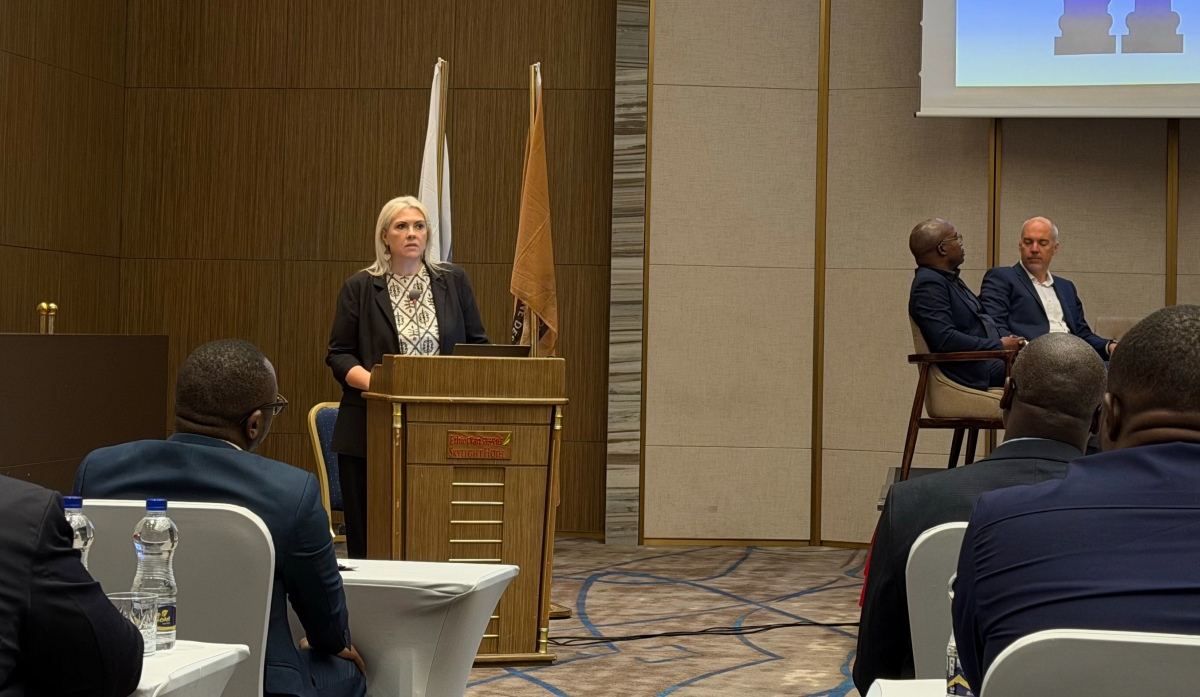
Another key presentation focused on introducing chess into national education systems. Anzel Laubscher, Senior Lead Instructor for FIDE’s Chess in Education programme, outlined a practical roadmap for federations wishing to launch Chess in Schools initiatives. Her presentation covered cooperation with governments, engagement with ministries of education, pilot projects, long-term implementation strategies and the educational resources available through FIDE. “The FIDE Education Commission provides guidance, internationally recognised training pathways, and educational resources to support implementation. Working within the FIDE framework allows countries to benefit from years of international experience while adapting programmes to local needs.”
Professional development, fair play and women’s empowerment
The seminar also featured presentations on professional development for arbiters and initiatives aimed at making chess more inclusive across Africa.
Ivan Syrovy, Chair of the FIDE Arbiters’ Commission, delivered a presentation on the principles of FIDE nominations for arbiters and shared practical advice on building a successful career as a professional arbiter.
He highlighted the current strength of the African arbiters’ community, which includes 1,982 registered arbiters: 234 International Arbiters (including 23 Women International Arbiters) and 427 FIDE Arbiters (including 84 Women FIDE Arbiters). Syrovy outlined the professional development pathways available for arbiters and Fair Play officials, explained the requirements for appointments to FIDE World events, and discussed the technical expertise, integrity and organisational skills required for these important roles.
Another presentation was delivered by Erick Takawira, Councillor of the FIDE Social Commission, who focused on women’s empowerment and social development through chess in Africa.
“Chess can build skills and a strong sense of belonging. The issue is not talent – it is access and opportunity. Women and girls need safe places where they can play, grow and lead; coaching that keeps them engaged; and clear pathways into training, arbitration and leadership.”
Takawira presented a number of initiatives implemented by the FIDE Commission for Women’s Chess to expand opportunities for women. These include free courses and seminars for female players, arbiters, coaches and organisers, structured training programmes for national women’s Olympiad teams, community projects combining chess with life and leadership skills, and support for mothers who wish to continue competing while raising young children.
These presentations reinforced FIDE’s commitment to developing skilled chess professionals and ensuring that everyone has the opportunity to participate in and contribute to the growth of the game.
Supporting federations worldwide
Throughout the seminar, participants learned about the wide range of support available to FIDE member federations, including:
- Development Funding
- Federation Capacity Building
- Olympiad Support Programmes
- Professional Training Courses
- Open Tournament Grants
- Women’s Development Programmes
- Chess in Education
- Social and Inclusion Programmes
The Capacity Building Seminar reaffirmed FIDE’s commitment to supporting national federations with practical expertise, financial assistance and educational resources, enabling them to strengthen their organisations and expand the reach of chess in their respective countries.